REVIEW · HISTORICAL TOURS
Split Old Town History Walking Tour
Book on Viator →Operated by Gray Line Croatia · Bookable on Viator
Ninety minutes later, Split feels personal. I love slipping into the Diocletian’s Palace cellars and hearing how daily life worked underground, and I love the practical local guidance for where to eat and what to see next. The pace is brisk, so if you want long, quiet time inside each site, plan to add extra stops after the tour.
For about $30.23, you get a licensed local guide for roughly 1 hour 30 minutes, with admission marked free for each of the palace-and-square stops. You’ll start on Obala Hrvatskog narodnog preporoda and finish back at the same riva-side meeting point, which makes it easy to plug into your day.
There are two departure times in English, and the group tops out at 20 people, so you can usually hear the stories without straining. The tour runs in all weather, so bring a rain layer and good walking shoes; it’s old town stone, not a park path.
In This Review
- Key things that make this walk work
- Start at Obala Hrvatskog narodnog preporoda: the Riva meetup
- Diocletian’s Palace Cellars under the Peristyle
- St. Domnius Cathedral, Roman columns, and the emperor’s mausoleum
- Vestibulum acoustics and the Temple of Jupiter baptistery
- Triklinij banquets and the Golden Gate to Gregory of Nin
- Pjaca and Trg Brace Radic: squares for cafés after your tour
- Guide style in Split: hearing names like Anita, Iva, Toni, Petra, Katarina, and Rocco
- Price and what you do not have to pay for
- How to plan your day around a 1.5-hour route
- Who should book this Split Old Town History Walking Tour (and who might want more time)
- Should you book this Split Old Town History Walking Tour?
- FAQ
- How long is the Split Old Town History Walking Tour?
- How much does the tour cost, and are any entrances included?
- What language is the tour offered in, and will I get a ticket on my phone?
- Where do I meet the guide, and where does the tour end?
- What group size should I expect?
- Can kids participate, and are pets allowed?
- What is the cancellation window for a full refund?
Key things that make this walk work
- Diocletian’s Palace cellars: Roman space you don’t just look at—you understand it
- St. Domnius Cathedral: Roman columns and a former mausoleum in one stop
- Vestibulum acoustics: the chance to hear traditional klapa singing
- Temple of Jupiter turned baptistery: ancient sculptures and a preserved sarcophagus
- Golden Gate + Gregory of Nin: the classic good-luck toe-rub moment
- Pjaca and Fruit’s Square: finish in public squares where locals actually live
Start at Obala Hrvatskog narodnog preporoda: the Riva meetup
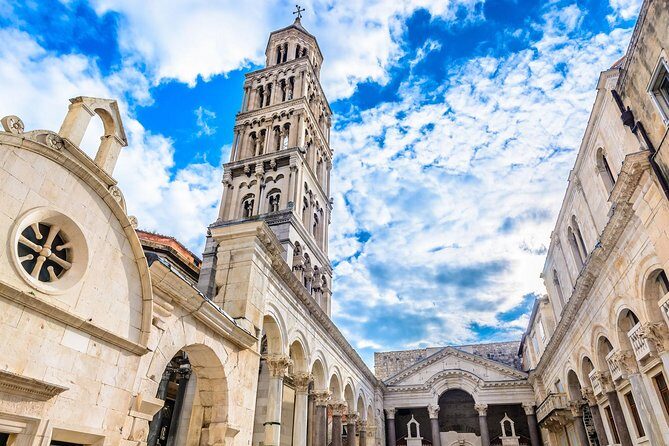
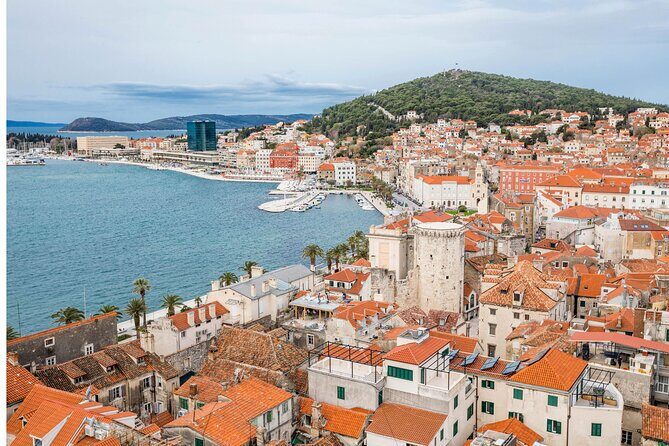
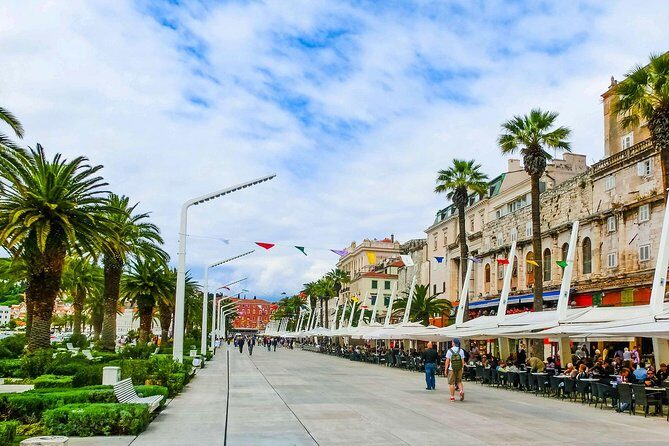
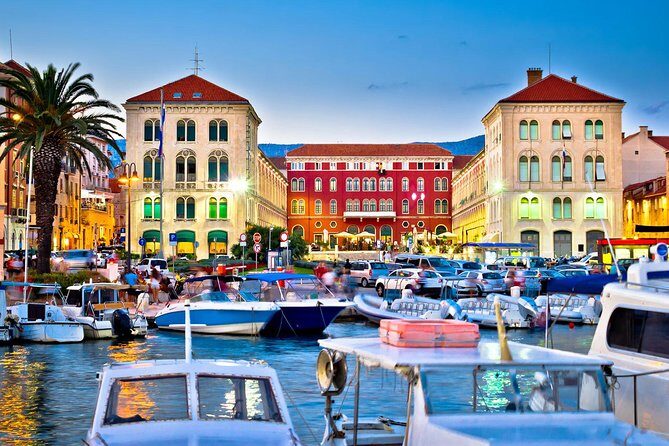
You begin at Obala Hrvatskog narodnog preporoda 21, right along the waterfront promenade (the riva). It’s a great starting point because Split’s layout makes more sense once you’ve stood where the sea views and old streets connect.
Your guide sets the tone with a city intro: how the palace shaped the town, why certain spots matter, and what to look for as you move. Even before the first major landmark, you’re building a mental map. That matters in Split, because everything is close together, and the “where am I?” moment usually hits fast.
This is also where you’ll get the practical side of the tour: where to pause for a snack, where evenings feel best, and what to notice while you wander later on your own. The guide can’t replace your own curiosity, but they can save you from hours of aimless walking.
You can also read our reviews of more walking tours in Split
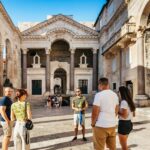
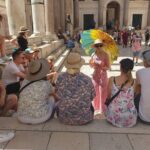

Diocletian’s Palace Cellars under the Peristyle
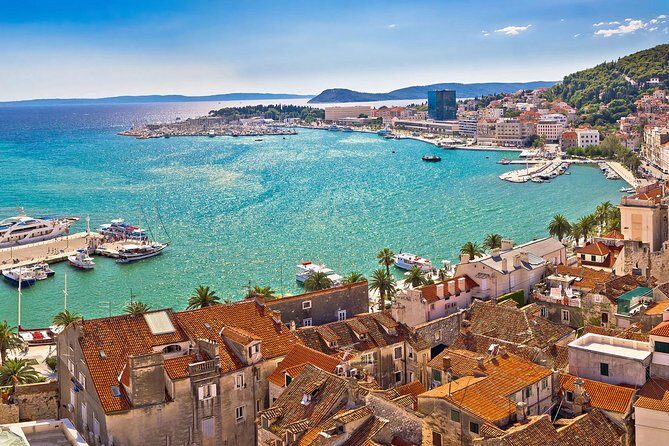
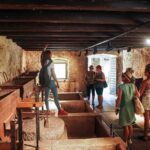
The first big wow factor is the entry into the Diocletian’s Palace Cellars. You go down into the substructures beneath the palace, which is where the Roman engineering story becomes real. From above, it’s easy to think of Diocletian’s Palace as just impressive stone. Down here, it becomes practical: spaces that supported the residence and shaped how life worked.
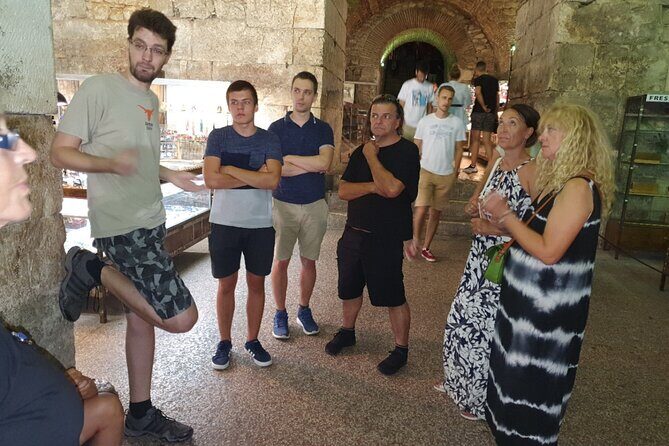
Expect a “listen and look” stop. Your guide explains what you’re seeing and why it was built that way. If you like history that explains how people lived, this is the most satisfying moment on the route, because it turns ruins into function.
Also, this is one of those stops where being on a guided path helps. You’ll likely spot details you might miss alone—architectural clues and the logic of the underground spaces. The time is about 15 minutes, so you won’t feel trapped in a slow museum crawl.
The one consideration: cellars and stone interiors can feel cooler than the street, but they’re still enclosed public spaces. If you’re traveling with strong claustrophobia, take that seriously before booking.
St. Domnius Cathedral, Roman columns, and the emperor’s mausoleum
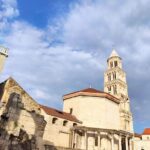
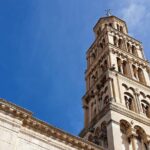
Next comes the Cathedral of Saint Domnius area, centered around the peristyle and the cathedral itself. This stop connects you to the “old Rome meets later worship” layer that makes Split so interesting.
You’ll admire Roman columns and then step into a cathedral that was once tied to imperial power. The guide frames it as part of Diocletian’s legacy—specifically, the cathedral was once the emperor’s mausoleum. That detail changes how you look at what you see. It stops being just a pretty church and becomes a landmark in a bigger political story.
This is a shorter stop (about 10 minutes), but it’s placed well. You’ve just been underground, then you rise into open space with major monuments. That rhythm keeps the walk moving without turning it into a sprint.
If you care about sacred spaces, remember to keep your voice down and dress respectfully. It’s the kind of place where your behavior affects the experience for everyone in the room.
Vestibulum acoustics and the Temple of Jupiter baptistery
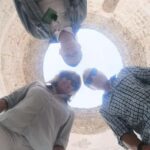
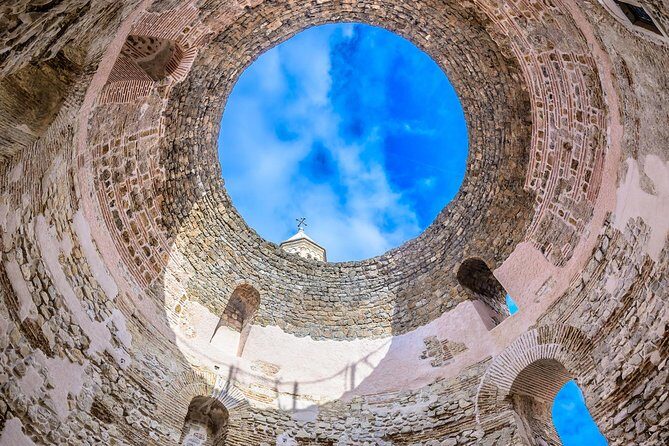
The Vestibulum of Diocletian’s Palace is a quick stop (around 5 minutes), and it’s oddly memorable. The highlight is the circular open dome and the acoustics. The tour notes that if you’re lucky, you might hear a live performance from traditional klapa singers.
Even if that moment doesn’t happen, the explanation is still worth it. You’ll understand why the space sounds the way it does and why people associate it with music. It’s also a reminder that ancient buildings weren’t built only for looks. They were built for sound, movement, and crowds.
Right after that, you visit the Temple of Jupiter, now used as a baptistery. The guide points out ancient sculptures and a preserved sarcophagus. This stop gives you another “same building, different purpose” lesson, which is one of Split’s themes.
A quick note: because these are working historic sites, schedules and conditions can vary. The tour gives you the best chance to catch singing, but it’s not a guaranteed show.
Triklinij banquets and the Golden Gate to Gregory of Nin
Now you move into the “how power ate” chapter. The Triklinij (about 5 minutes) is where Diocletian hosted lavish banquets. The guide talks about Roman dining culture and imperial luxury, turning the space into a mental image: place settings, status, and theater.
Even short stops can hit hard when the guide gives you the context. This is the kind of story that makes you start noticing social signals in architecture—who had access, where guests stood or sat, and how entertaining reinforced authority.
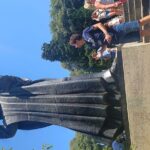
Then comes the finishing flourish: the Golden Gate and the famous outdoor statue of Gregory of Nin. You exit through one of the palace gates (the grand one), and outside you stop for the local good-luck tradition—rub Gregory’s toe. It sounds touristy, but it’s also a fun ritual that gives you a clear action moment during the walk.
This segment is about 10 minutes, and it’s a good transition from “palace interior” to “real town life.”
You can also read our reviews of more historical tours in Split


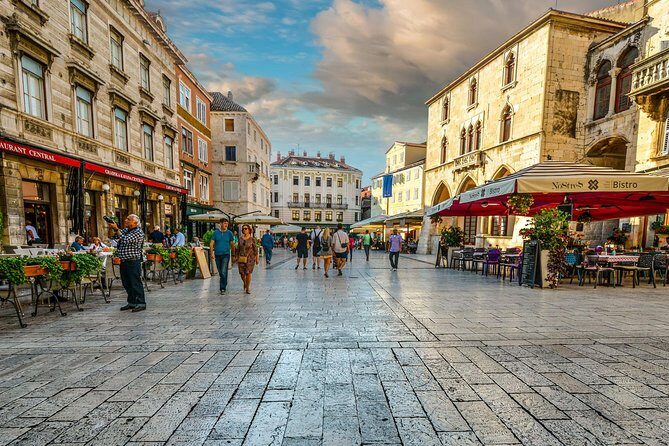
Pjaca and Trg Brace Radic: squares for cafés after your tour
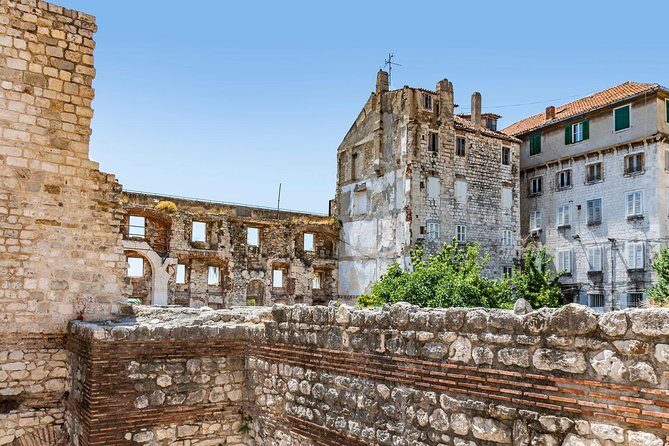
After the gate, you enter the town’s public spaces, where everyday Split happens. First is Narodni trg, also called Pjaca. You’ll see a historic square surrounded by Venetian-era buildings, plus an old city clock and nearby cafés.
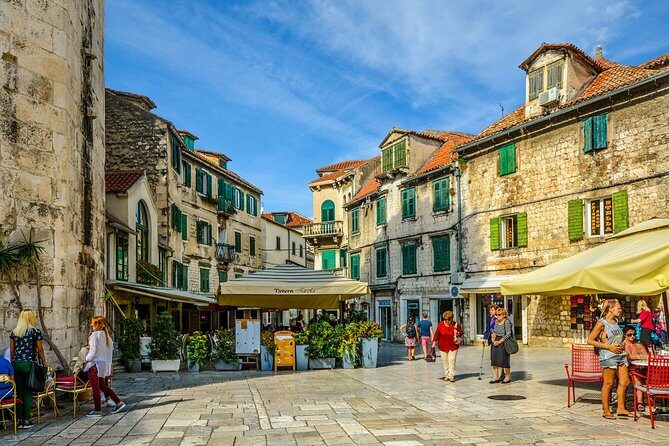
Then you head to Fruit’s Square (Trg Brace Radic). The tour ties the name to fruit markets that once took place there, and the framing around the square shifts your view toward baroque palaces and daily street life. This stop is only about 5 minutes, but it helps you end with people, not only monuments.
Finally, you return to the riva promenade at the start point. It’s about 5 minutes back, and it works as a decompression moment. You can look across the water, then decide what you want to do next based on what your guide highlighted.
Guide style in Split: hearing names like Anita, Iva, Toni, Petra, Katarina, and Rocco
The tour is built around your guide, and the biggest strength here is energy with specifics. In English-speaking groups, guides like Anita, Iva, Toni, Petra, Katarina, and Rocco get praised for fast answers and genuine enthusiasm for Split.
A common thread in the positive experiences: the guide doesn’t just point. They explain in a way that makes the buildings feel connected. You start to see Diocletian’s Palace as the skeleton of the old town, and everything else—cathedral, temples, squares—slots into place.
If you’re the type who likes to ask questions, this tour fits you. The format moves quickly, but there’s time for dialogue. That’s the difference between collecting photos and actually understanding what you’re looking at.
One more practical note from the vibe of the tour: some guides let the pace breathe a bit beyond the strict timeline. That can be a bonus if you’re enjoying a topic and want one extra minute on details.
Price and what you do not have to pay for
At $30.23 per person for about 1 hour 30 minutes, you’re paying mainly for interpretation. The route includes a professional licensed local guide, which is the part you’ll feel even after you leave the palace walls.
The tour also lists admission ticket free for the main stops, which matters for value. It means you’re not stacking extra entrance fees onto your day for every monument along the route. Instead, your money goes toward the guide and your time on foot.
What’s not included is food and drinks. That’s normal for a history walk, but it changes how you plan. I like to schedule this either before dinner or in the late afternoon so I can follow the guide’s recommendations for a proper meal without rushing.
The other “budget reality” is clothing and comfort. You’ll be walking on uneven old-town surfaces and spending time in stone interiors. Bring grippy shoes and a layer for indoor temperature swings.
How to plan your day around a 1.5-hour route
This works best when you treat it as your orientation tour. Do it on a first day in Split, and you’ll return to key spots with a new level of understanding. You’ll also be better at picking your later self-guided routes, because you know what’s worth a second stop.
Two departure times help here. If one time feels too hot or too crowded for your taste, you can choose the other. The tour is offered in English, and the meeting point is central and easy to reach from regular city movement.
The max group size is 20 travelers, so it’s not a huge crush. You still should arrive a few minutes early at the riva so you’re not standing around with the rest of the group trying to find each other in a busy waterfront area.
Weather is handled on the tour’s side: it operates in all weather conditions, and you’re expected to dress appropriately. If it gets canceled due to poor weather, you should expect a different date or a full refund.
And one more human tip: if your schedule is tight, keep your post-tour plans flexible. This is the kind of tour where you may want to linger at squares afterward because the guide pointed out something you’ll want to see again.
Who should book this Split Old Town History Walking Tour (and who might want more time)
Book it if you want a fast, story-driven walk through Split’s most important Roman-to-medieval landmarks. This tour suits people who:
- want an organized path through Diocletian’s Palace without reading a booklet for hours
- enjoy architecture tied to everyday life, like underground spaces and banquet culture
- like local guidance on where to eat, drink, and explore next
- prefer a small group and short duration
Consider adding extra time (before or after) if you’re the slow-and-photos kind of sightseer. Several stops are intentionally short, so you won’t have a long sit-down inside every location. The design is for getting the bigger picture first, then letting you follow your curiosity afterward.
Also consider whether you enjoy acoustics or chance-based moments. The klapa singing possibility is a fun “if it happens” detail. If you need a guaranteed performance, you might want a different kind of outing.
Finally, logistics matter in real life. There have been a couple of unhappy experiences tied to cancellations or missing booking records at the meeting point. That doesn’t happen often based on the overall rating, but I still recommend you:
- keep your confirmation handy on your phone
- arrive a little early
- double-check any last-minute message alerts before you head out
Should you book this Split Old Town History Walking Tour?
Yes, if your goal is to understand Split quickly and get out feeling like you can navigate the old town with confidence. For the price, you’re getting a lot of meaningful stops, guided context, and a finished walk that ends right where you started along the sea.
It’s also a smart value when you want free-entry style stops and don’t want to piece together your own route. The palace cellars, St. Domnius area, the Temple of Jupiter baptistery, and the Triklinij banquet setting are the big anchors—and the guide quality is clearly the main reason people love the experience.
Skip it or plan differently if you need lots of quiet time at each site. This is a 90-minute overview with fast momentum. You’ll learn a lot, but you may still want longer follow-ups on the places that catch your eye.
If you do book, do this: pick comfortable shoes, bring a light layer, and after the tour, return to Pjaca or Fruit’s Square for a drink and let the stories you heard settle in while you watch daily life.
FAQ
How long is the Split Old Town History Walking Tour?
The tour lasts about 1 hour 30 minutes.
How much does the tour cost, and are any entrances included?
It costs $30.23 per person. Admission tickets are listed as free for the stops included on the tour. Food and drinks are not included.
What language is the tour offered in, and will I get a ticket on my phone?
The tour is offered in English, and it uses a mobile ticket.
Where do I meet the guide, and where does the tour end?
You meet at Obala Hrvatskog narodnog preporoda 21, 21000, Split, Croatia. The tour ends back at the same meeting point.
What group size should I expect?
The group has a maximum of 20 travelers.
Can kids participate, and are pets allowed?
Children must be accompanied by an adult. Pets are not allowed on the tour.
What is the cancellation window for a full refund?
You can cancel up to 24 hours in advance of the experience for a full refund.