REVIEW · FOOD & DRINK
Split: Olive museum Klis with Olive Oil Tasting
Book on GetYourGuide →Operated by Stella Mediterranea d.o.o. · Bookable on GetYourGuide
Fresh air, good education, and real olive oil.
This tour in Klis pairs a guided walk through the Stella Croatica family estate with a stop at the Olive Oil Museum, then ends in an interactive tasting room where you learn how to spot quality extra virgin olive oil. I especially like how practical the session feels, not just a museum lecture, and I love that you get hands-on moments like testing natural cosmetics and tasting products made from local botanicals.
Two things land really well: the estate setup includes a botanical collection and museum learning, and the olive oil workshop teaches you a tasting method you can actually use later in a shop. One thing to consider: the olive oil experience happens inside museums and a garden area, and the site is not centered on walking through olive trees or fields, so your expectations should lean toward learning rather than big outdoor farming views.
In This Review
- Key Highlights Worth Showing Up For
- Entering Stella Croatica in Klis: A Family Estate You Can Actually Read
- The Factory-Style Start: Figs, Almonds, Oranges, and Lavender
- The Botanical Collection: 500 Species and Practical Uses
- Olive Oil Museum: Learning the Liquid Gold Story
- Sweets, Concept Store Browsing, and Factory Pricing Incentives
- The Olive Oil Tasting Room: How to Recognize Extra Virgin
- Testing Natural Cosmetics: When Herbs Become a Product
- What You Can Do After: Park Time or Traditional Lunch
- Value and Price: Is $18 Worth It in Real Life?
- Who This Tour Fits Best (and Who Might Feel Restless)
- Practical Tips So You Get the Most From the Tasting
- Should You Book This Olive Museum + Olive Oil Tasting?
Key Highlights Worth Showing Up For
- Extra virgin olive oil tasting training that works like a simple pro method
- Olive Oil Museum at Stella Croatica, recognized as a European Museum of the Year finalist
- Botanical collection with 500 plant species, plus what you can use them for
- Factory-floor demonstrations for traditional products like figs, almonds, oranges, and lavender
- Natural cosmetics testing, so you connect herbs to real end products
- Free time after the workshop to wander the park or sit down for a traditional lunch
Entering Stella Croatica in Klis: A Family Estate You Can Actually Read
Stella Croatica feels like a working family operation with a museum brain. You arrive, follow the signs from the main road, step into the main building, and wait for your host. Then the day clicks into place: you move from traditional production to plants, then into an olive oil learning space, and finally into a tasting room where your senses get put to work.
I like the way the tour doesn’t treat olive oil like a magic topic. You start with a broader picture of how this estate turns local raw materials into products. That matters because by the time you taste, you’re not just hunting for flavor. You’re trying to understand quality choices, and the museum and tasting room give you a language for it.
Two practical notes for your comfort: wear shoes you can stand in for a while, and come ready to taste. Since food and drinks aren’t allowed during the experience, you’ll want to be ready for the sweets and the oil tastings included.
You can also read our reviews of more food & drink experiences in Split

The Factory-Style Start: Figs, Almonds, Oranges, and Lavender
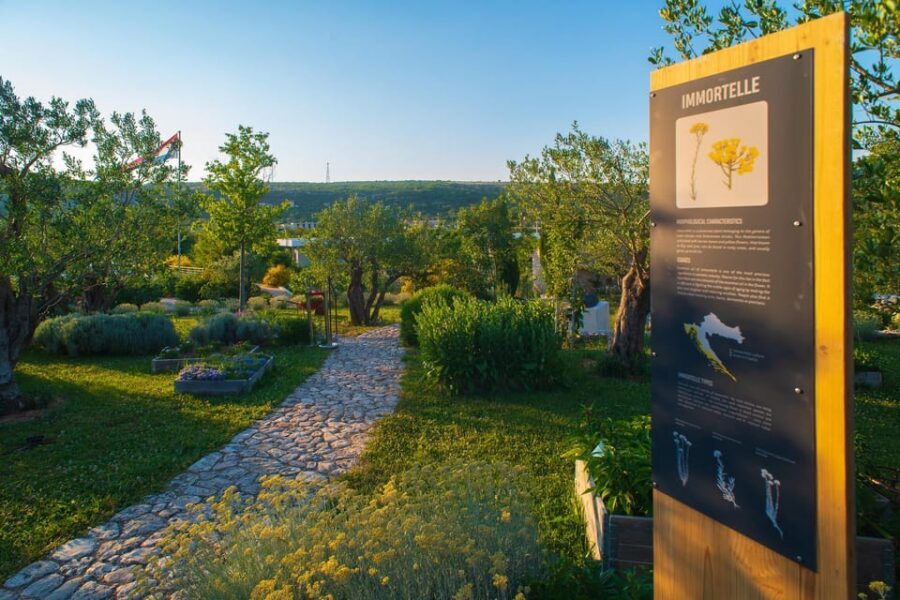
Before you even reach the olive oil parts, you’ll see how local ladies produce and pack traditional items from ingredients like figs, almonds, oranges, and lavender. That early stop sets the tone. It’s not just a pretty building. You’re seeing how the same estate mindset shows up across very different products.
This segment also gives you a sense of why the botanical side of Stella Croatica matters. When you later walk through the garden and learn about plant uses, it won’t feel random. You’ll already have seen that herbs aren’t just for decoration here; they feed into production, packaging, and finished goods.
You also get a look at how essential oils are extracted from typical Dalmatian herbs and then used in natural cosmetics production. That connection is one of the smartest parts of the overall experience, because it trains you to see the estate as a system: plant → extract → product.
The Botanical Collection: 500 Species and Practical Uses
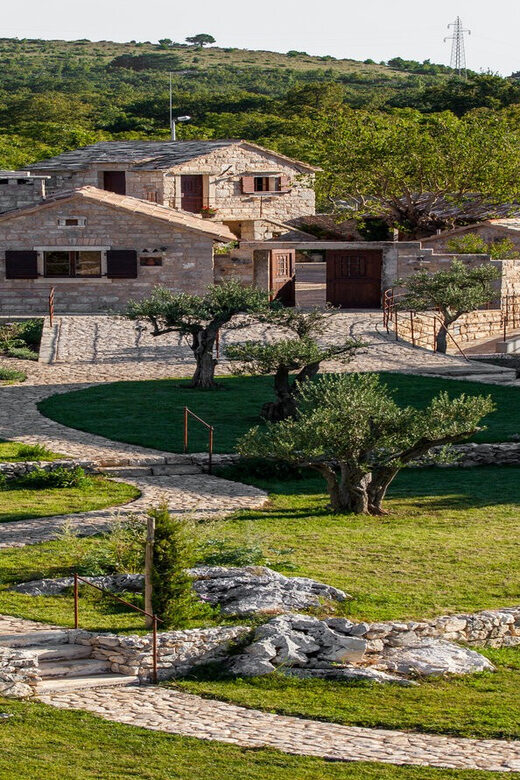
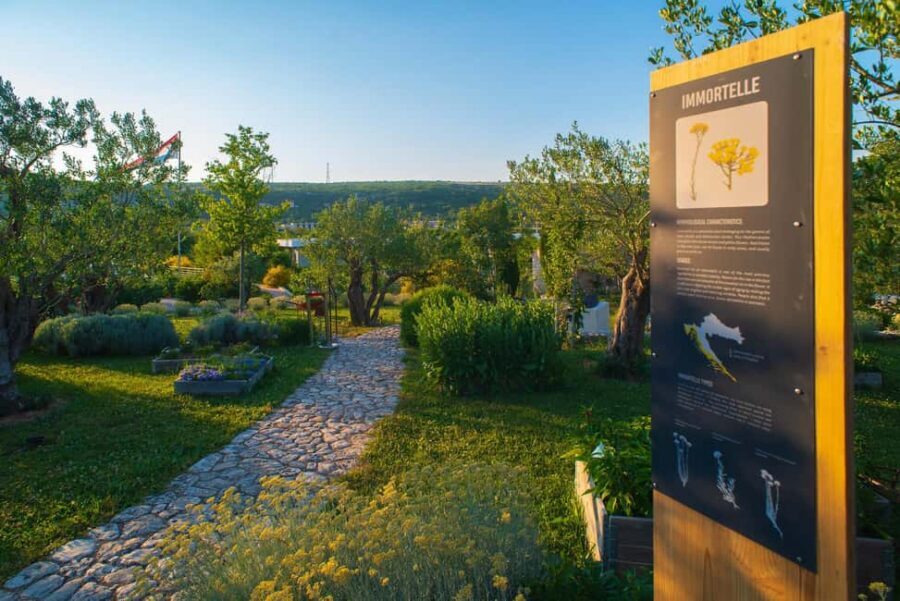
Next comes the botanical collection, built around 500 plant species. You’re shown what some plants can be used for, which turns a garden walk into a mini lesson. This isn’t just strolling. The tour guide points your attention at useful properties and everyday applications.
For me, the best value here is the transfer of thinking. Even if you don’t plan to source herbs yourself later, you’ll start noticing how people in Dalmatia understand plants as ingredients. That’s exactly the mindset you need for olive oil too. Quality in olive oil isn’t only about taste. It’s also about how you handle inputs and process them.
One small drawback: a botanical collection can feel like slow pacing if you’re in a hurry. But if you enjoy learning what plants are used for, this garden stop is a strong match for your interests.
Olive Oil Museum: Learning the Liquid Gold Story
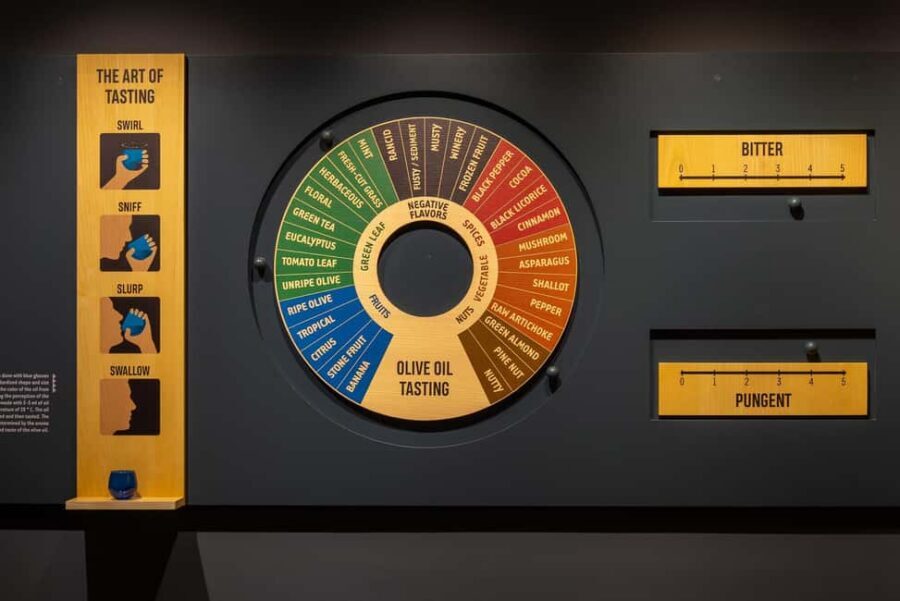
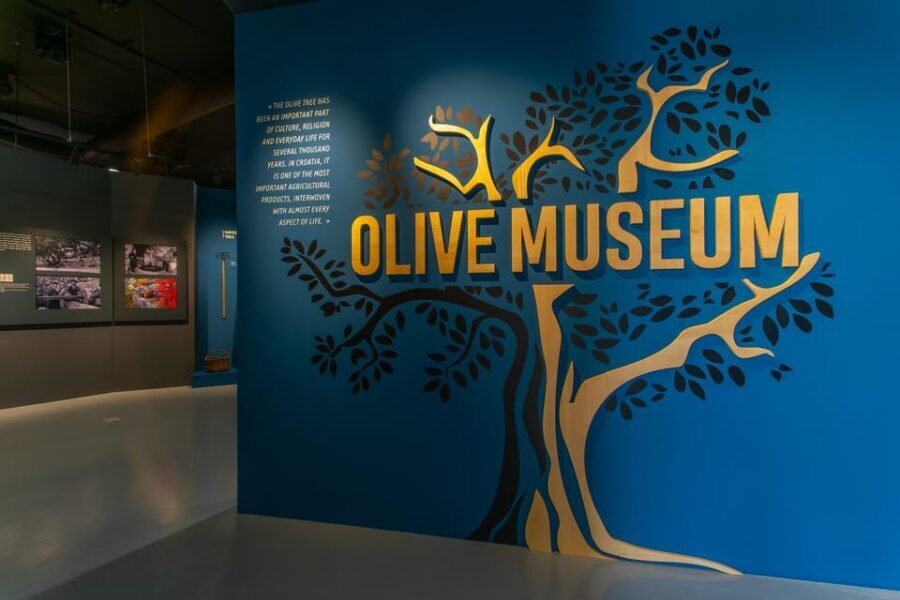
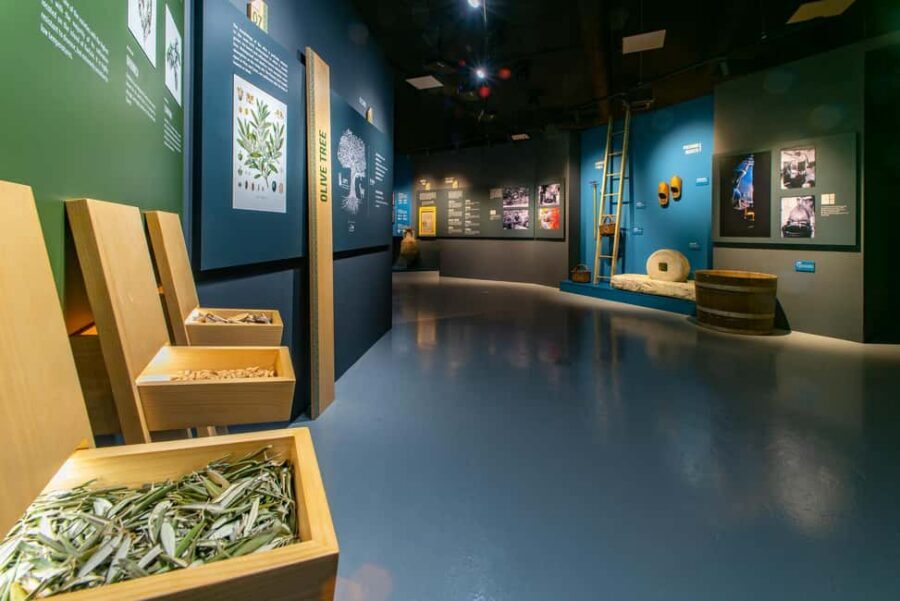
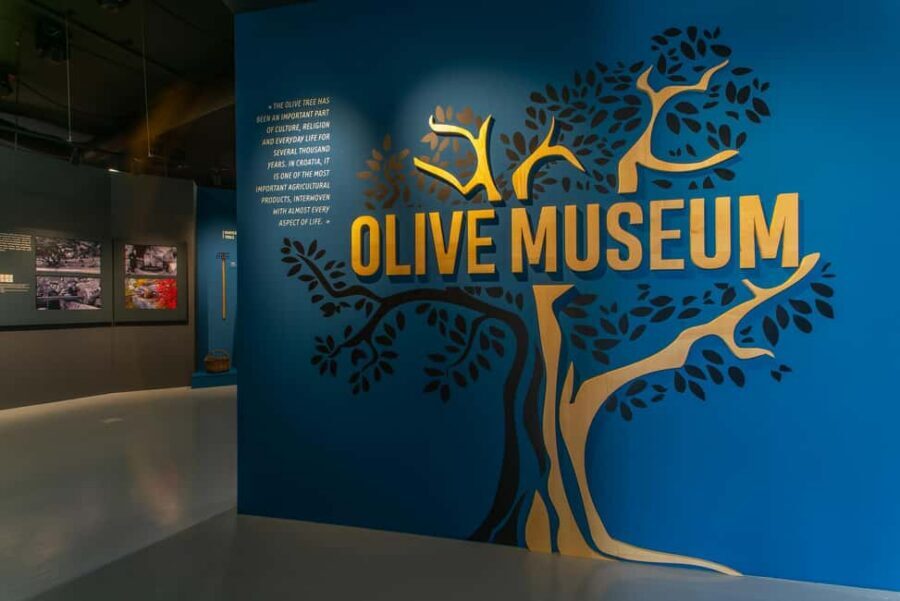
Then you step into the Olive Oil Museum, focused on what’s often called the liquid gold growing in Croatia. The museum is a finalist for the European Museum of the Year Award 2023, which signals that it’s built to communicate clearly—not just store artifacts.
This portion helps you connect two things: where the olive oil story comes from and how quality factors enter the process. You won’t just hear that extra virgin matters. You’ll start to understand why people care about recognition and standards, and why tasters don’t rely on luck.
Also, the museum setting supports a smoother experience after. Once you’ve seen the story and the themes inside, the tasting room becomes easier to follow. You’ll likely feel like the oil workshop is building on earlier content rather than starting over.
Sweets, Concept Store Browsing, and Factory Pricing Incentives
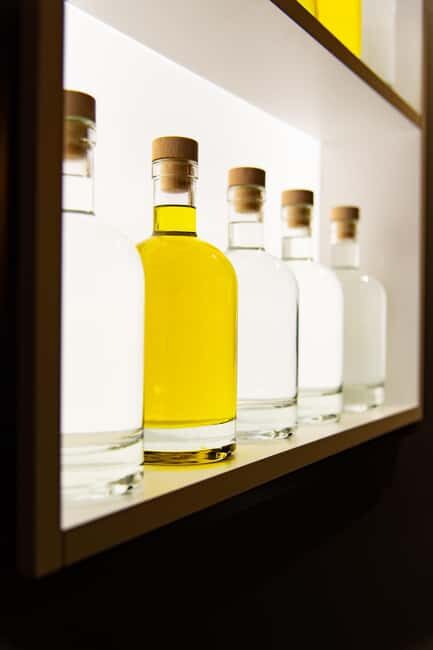
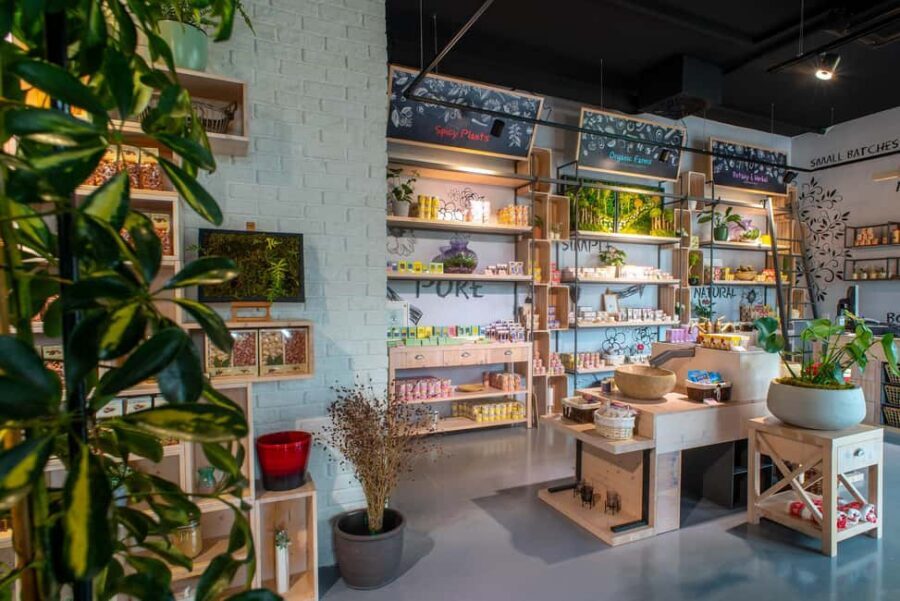
After the museum learning, you’ll taste delicious handmade products in the concept store area. This is a nice breather, and it also helps you stay energized for the tasting session that comes next.
There’s also an important practical benefit here: you may have the possibility of buying items under factory prices. That means the visit can function as more than a class. If you already know you’ll want olive oil or related products to bring home, this is one of the moments to browse with purpose.
Because additional food and drinks aren’t included, the included sweets help fill the gap. Still, don’t plan to eat your way through the tour. The experience is designed around learning and tastings, not a full meal.
You can also read our reviews of more museum experiences in Split



The Olive Oil Tasting Room: How to Recognize Extra Virgin
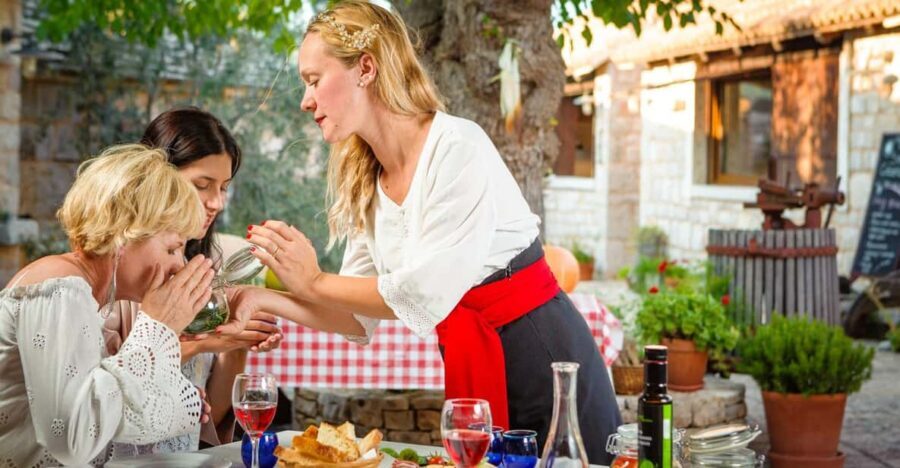
This is the heart of the whole outing. In the tasting room, you’ll do an interactive experience that teaches you how to recognize extra virgin olive oil. The goal is to give you a method, not just a vague impression.
Here’s what I find especially valuable: the training is built so you can compare. You’ll taste two different olive oils, and they’re both labeled extra virgin. That’s crucial because it teaches you quality differences inside the same category, which is where most shoppers get confused.
In an ideal session, you don’t just sip oil and hope for the best. You get guided instructions for how tasters approach aroma and flavor—something several people describe in the same spirit as a sommelier style experience. You’ll essentially learn how professionals test, using sniffing and tasting to separate what’s good from what’s not.
One thing to consider: if you’re only hunting for a scenic olive farm view, the tasting room will feel more like a workshop than a landscape. If you want to learn what to look for when you shop, it’s a strong use of your time.
Testing Natural Cosmetics: When Herbs Become a Product
Between the botanical collection and the tasting room, you’ll also have time for testing natural cosmetics. This part is included, and it works as a helpful bridge.
Why does this matter? Because it reminds you that the estate’s knowledge isn’t limited to olive oil. They extract essential oils from herbs and use them in natural cosmetics production. So when you’re learning about inputs and quality in the olive world, you’re also seeing a parallel in cosmetics: plant materials, processing, and finished results.
It’s also a fun sensory break. Even if you don’t end up buying anything, you get to try how herbs translate into something you can use.
What You Can Do After: Park Time or Traditional Lunch
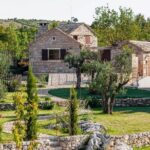
After the experience, you get free time to explore the park or have a traditional lunch. Some of the settings people enjoy include the herb garden and old buildings, which add variety once the structured parts of the tour are done.
This is where you can shape the day. If your brain is full of flavor notes from the tastings, you might prefer to wander calmly in the garden. If you want something more comfort-focused, you can choose a traditional lunch option.
Just remember: the tour ends back at the meeting point, so plan to keep your return easy and on schedule.
Value and Price: Is $18 Worth It in Real Life?
At $18 per person, this tour looks like a bargain when you look at the full package. For one ticket, you get:
- entry and a guided tour at Stella Croatica and the Olive Oil Museum
- tasting of two olive oils
- traditional sweets included
- testing of natural cosmetics
That’s a lot of structured content for the price. And the learning payoff can last beyond the visit. Once you learn a basic way to recognize extra virgin quality, you’ll shop differently afterward. You’ll be less swayed by packaging and more focused on what matters in the bottle.
The value is strongest if you’re the kind of traveler who likes short, structured education that you can use immediately. If you’re only looking for an outdoor photo walk, you might feel you could skip certain parts. But if you want to leave with a method, $18 is a sensible spend.
Who This Tour Fits Best (and Who Might Feel Restless)
This experience is a great match if you:
- enjoy hands-on food education, especially tastings
- want clear explanations in English
- like botanical and ingredient-focused sightseeing
- plan to buy olive oil or related products and want to make smarter choices
It may feel less satisfying if you:
- expect to walk through olive groves right on the property
- mainly want scenery and photos, with minimal workshop time
- dislike guided sessions and prefer total self-guided roaming
The best approach is to lean into what Stella Croatica is good at: teaching you how olive oil quality works, with plants and herb products as the supporting context.
Practical Tips So You Get the Most From the Tasting
A few small things can help you enjoy it more:
- Go in hungry enough to taste well, but not so hungry you’ll feel cranky during the guided portions. Food and drinks aren’t allowed, so the included sweets are part of the flow.
- Pay attention during the first part of the workshop. The recognition training sets up what you’ll notice in the two olive oils.
- If you shop afterward, compare oils using your new method, not just taste memory. You’ll likely remember differences better when you tie them back to what you learned.
And if you’re traveling with family, this tends to work well. One review described a nine-year-old enjoying the experience, and the workshop includes interactive, sensory steps that kids can follow.
Should You Book This Olive Museum + Olive Oil Tasting?
Book it if you want a compact, guided learning experience that ends with a tasting workshop you can use in real shopping. The combination of the museum learning, botanical collection, and the interactive extra virgin training is the main reason this is worth your time.
Skip it only if your priority is scenic olive-field walking. The setting includes gardens and old buildings, but it’s not a tour built around seeing olive trees or farms up close. For learning olive quality and understanding how local botanicals become real products, though, this is a strong choice.