REVIEW · HISTORICAL TOURS
Split: Private Roman History & Market Tour
Book on GetYourGuide →Operated by Intrepid Urban Adventures - Europe · Bookable on GetYourGuide
Split’s walls still feel alive. In this private 2-hour walk, you get inside Diocletian’s Palace and learn how Roman power turns into everyday living in Split. I like how the tour uses real details you can see right in the stone—so the stories don’t float in the air. And I’ve noticed guides named Ted and Ivan get called out for clear English and good pacing.
My favorite part is the Green Market stop, where seasonal bites become a mini crash course in what Splićani actually buy, cook, and celebrate. You’ll do tastings like fruits and vegetables, olive oil, rakija, cheese, and dry figs, then connect the food to the idea that the way to a Dalmatian’s heart is through the stomach. One possible drawback: this is only two hours and it does not include entry to some big-ticket sites in the palace complex, like the cathedral/mausoleum area, the underground, the bell tower, museums, or the Temple of Jupiter.
In This Review
- Key takeaways
- Start on the Riva, right where locals actually wander
- Step inside Diocletian’s Palace (and the part most people miss)
- Peristil and palace secrets you can actually picture
- The Green Market: taste first, then learn how locals shop
- Rituals from the Iliryan era, explained through what locals still respect
- Gregory of Nin and the Golden Toe wish
- Hajduk names and why you see it everywhere
- Finishing on the Riva: leave satisfied, not just informed
- Price and value: $280 for two hours of access + local food
- What this tour includes—and what you won’t cover
- Carbon neutral and eco-certified: a nice add-on you can feel good about
- Who will love this tour most
- Should you book this Split Roman History & Market Tour?
- FAQ
- Where does the tour meet in Split?
- How long is the tour?
- What’s included in the Diocletian Palace visit?
- What food is included during the Green Market stop?
- Is the tour carbon neutral?
- Are children allowed, and is there a child fee?
Key takeaways
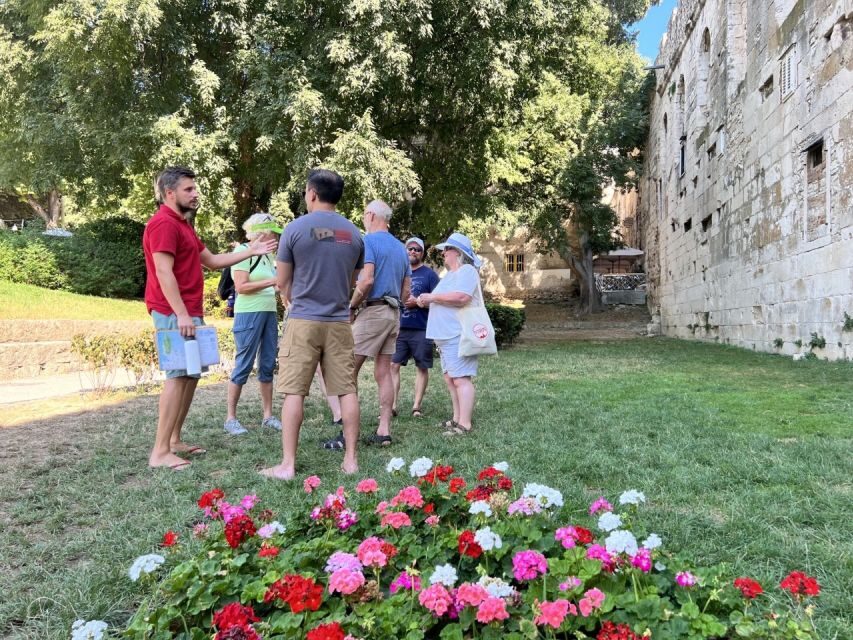
- Diocletian Palace in walking order: You’ll cover the main square, a private section, the vestibule, and the Golden Gates.
- Green Market tastings with context: You’ll taste local seasonal items and learn how locals shop.
- Beliefs that stretch back before Rome: You’ll hear about rituals Dalmatians respect from the Iliryan times.
- Small moments that stick: The Golden Toe wish at Gregory of Nin adds a playful, memorable stop.
- Eco-minded operation: The tour is carbon neutral and run by an eco-certified, B Corp–certified company.
- Private group pacing: You move at a human speed, with an English-speaking local guide.
Start on the Riva, right where locals actually wander
Your tour begins at the start of the Riva promenade, near the mock-up model of the city and the iron map of Split. It’s a smart starting point because you get your bearings fast—then you head into the place that shaped the city.
Split locals have a big personality about their home. The simple rule is: if you like Split, they tend to be warm and polite back. If you don’t, they won’t fake it. This tour matches that attitude. It doesn’t treat Split like a museum piece. It treats Split like a living neighborhood built on layers.
Your guide is local, and that matters. You’re not just hearing facts. You’re getting the kind of street-level context that helps you read the city as you walk.
You can also read our reviews of more private tours in Split



Step inside Diocletian’s Palace (and the part most people miss)
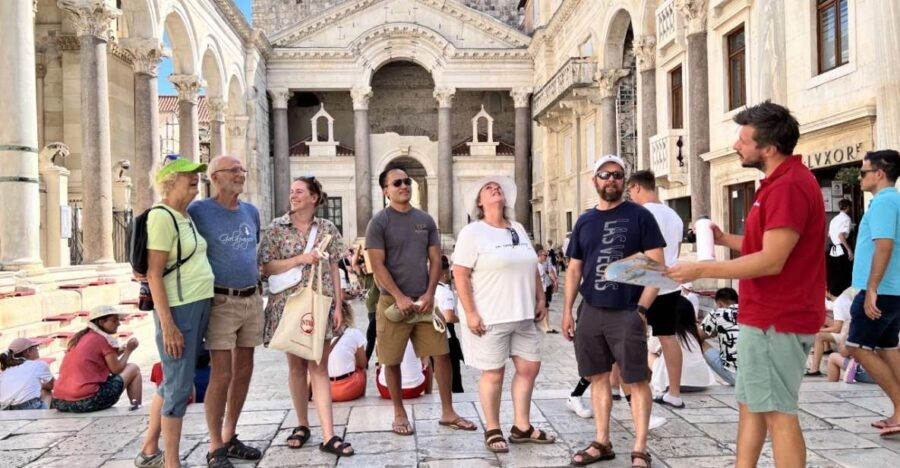
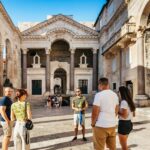
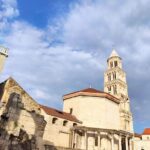
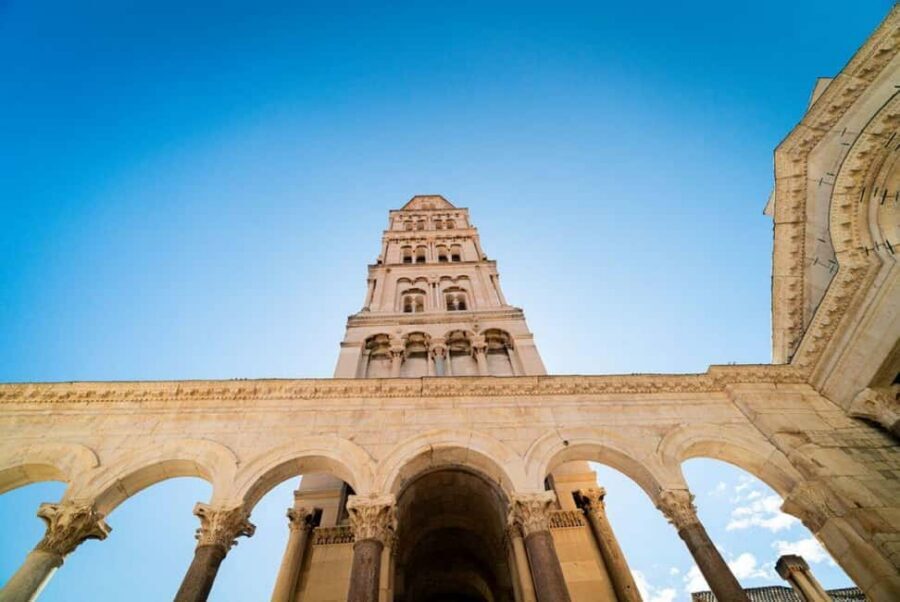
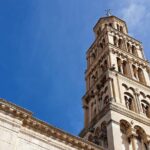
The main attraction is Diocletian’s Palace, one of the world’s best-preserved Roman complexes. It was built by Emperor Diocletian, and Split essentially grew inside its walls. That’s why the city feels different from other Roman ruins you might visit: here, people didn’t just admire the stones. They moved in.
You’ll tour key areas that include:
- The main square within the palace walls
- A private section of the palace
- The vestibule
- The Golden Gates
That “private section” detail is one of the value boosters in this tour. It’s not just a quick photo loop. You get guided access to spaces that help you understand what the palace was for and how it works as a maze of rooms, gates, and ceremonial space.
As you walk, you’ll hear stories about Diocletian’s life and how Roman ideas show up in what locals still notice today. You’ll also get to connect physical features to the anecdotes—like why certain elements show up in daily memory, not just tourist brochures.
Peristil and palace secrets you can actually picture
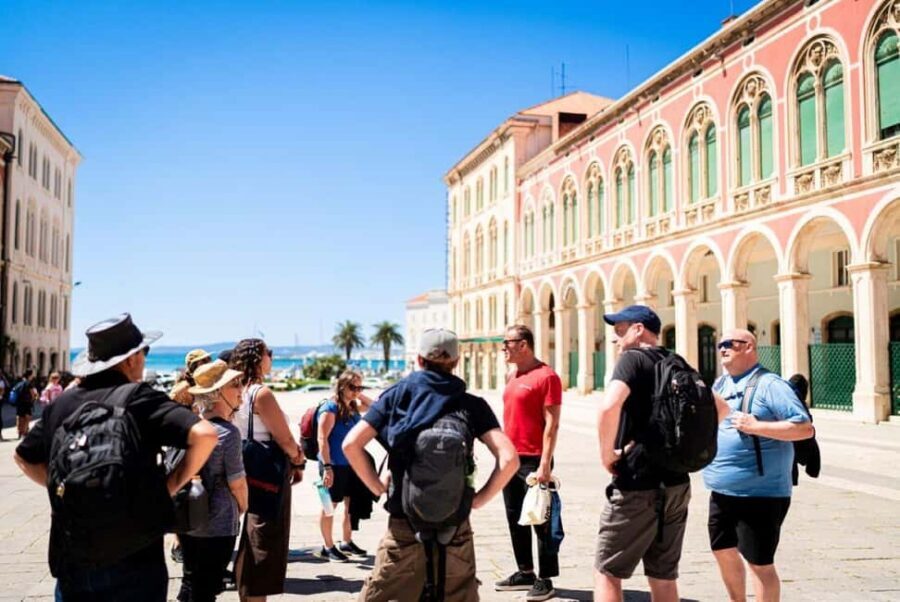
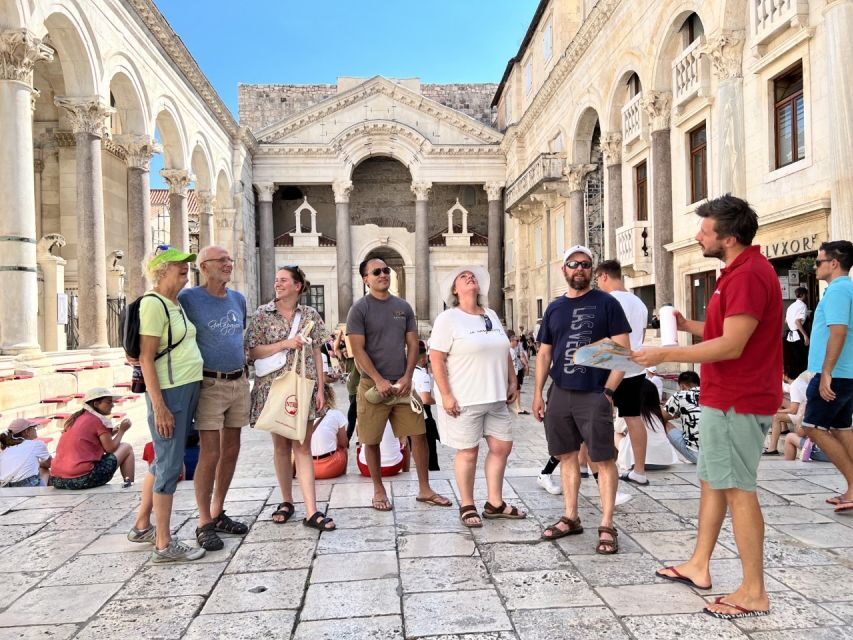
As the tour moves deeper, you’ll reach Peristil, the heart of the complex. This is where the palace starts to feel less like “old walls” and more like a designed world. You’ll learn secrets hidden in the structure—details you might miss if you were wandering on your own.
The guide focuses on how Roman living and Roman tastes translate into legend. Expect talk about why Diocletian was drawn to certain foods, including the idea of why he loved salad so much. You’ll also hear about a mythical white stone linked to happiness—half Roman grandeur, half folklore. Even if you treat the legend as a story rather than a literal fact, it’s useful. It shows how the palace became a cultural engine: it produced not only buildings, but beliefs.
This is also where the tour’s pacing shines. With a private group, you can stop where you need to, ask questions, and get the explanation matched to what you’re looking at right then.
The Green Market: taste first, then learn how locals shop
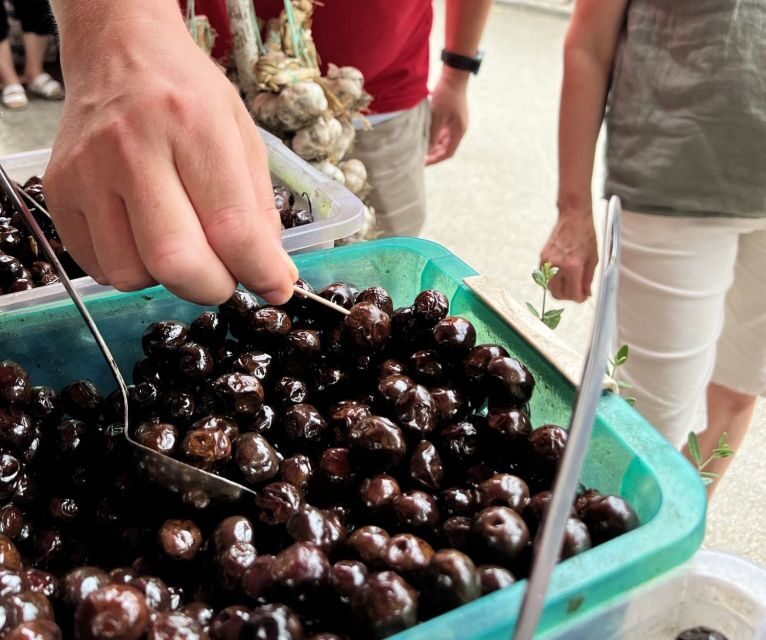
Next up is the famous Green Market stop, where you’ll meet vendors and taste local seasonal food. This is the part I’d recommend even if you’re not a “food tour” person. It’s not just eating. It’s learning the logic behind what people pick and how that shapes everyday life in Split.
You’ll do tastings that can include:
- Fruits and vegetables
- Olive oil
- Rakija
- Cheese
- Dry figs
Then your guide explains the way locals buy—what tends to matter, how vendors think, and what seasonal choices imply. When you connect the food to the culture, the market becomes more than a shopping stop. It becomes a snapshot of local routines and traditions.
And yes, there’s a wink baked into it: this tour leans into the local belief that Dalmatian love goes through the stomach. If you want your city experiences to feel human and not staged, this stop does the job.
Rituals from the Iliryan era, explained through what locals still respect
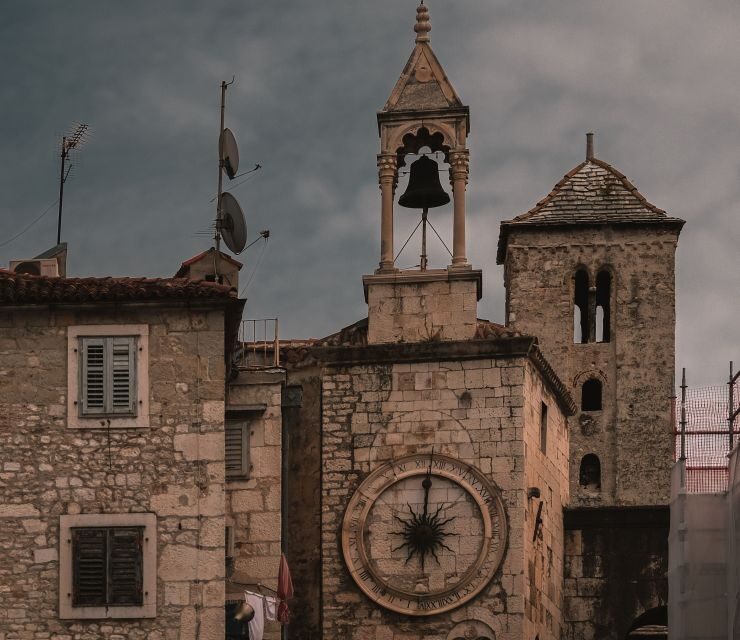
One of the more interesting angles is that the tour doesn’t treat history as only Roman. You’ll hear about different rituals Dalmatians respect from the Iliryan times—older layers that predate the Roman empire.
You might not leave with a single neat timeline in your head. Instead, you’ll gain something more practical: an understanding that Split’s identity isn’t one-layer Roman. It’s a stack of beliefs that people still notice today, even in small ways.
This is the part of the tour that helps you look at a city like Split as a living inheritance. You’ll start noticing how older traditions survive by changing form—religion, celebration, and even everyday behavior.
You can also read our reviews of more historical tours in Split

Gregory of Nin and the Golden Toe wish
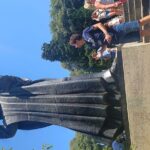
You’ll make time for Gregory of Nin (Grgur Ninski) and the Golden Toe tradition, where you can make a wish by the toe. This is one of those city rituals that can look touristy until someone explains what it means in context.
Here’s why it’s worth doing anyway: it turns the middle of a history tour into a moment of participation. You’re not just listening to a guide; you’re doing something locals (and visitors) have kept alive for years.
If you enjoy small traditions—things you can feel in your hands—this stop gives you a break from the heavy stone-and-dates mode.
Hajduk names and why you see it everywhere
Another stop you’ll hear about is Hajduk Split, and why the name shows up across the city—from suburbs to the old town area. This is a reminder that cities aren’t only made of buildings. They’re made of loyalty, sports, and community symbols.
In tours like this, that kind of context is gold. It helps you understand why the city feels like it has a heartbeat, not just an impressive backdrop. If you like connecting culture to places you can point to, you’ll enjoy this part.
Finishing on the Riva: leave satisfied, not just informed
You’ll finish back at the Riva promenade, leaving you with that satisfied, pampered feeling associated with Roman-style living—at least as the tour frames it.
What I like about this ending is that your guide doesn’t just drop you at the curb. You’ll get suggestions for favorite coffee shops and the best spots for an evening of Dalmatian delicacies and entertainment. That’s practical. It helps you keep the tour momentum going instead of going home to guesswork.
If your goal is a first taste of Split that also tells you where to go next, this ending format is perfect.
Price and value: $280 for two hours of access + local food
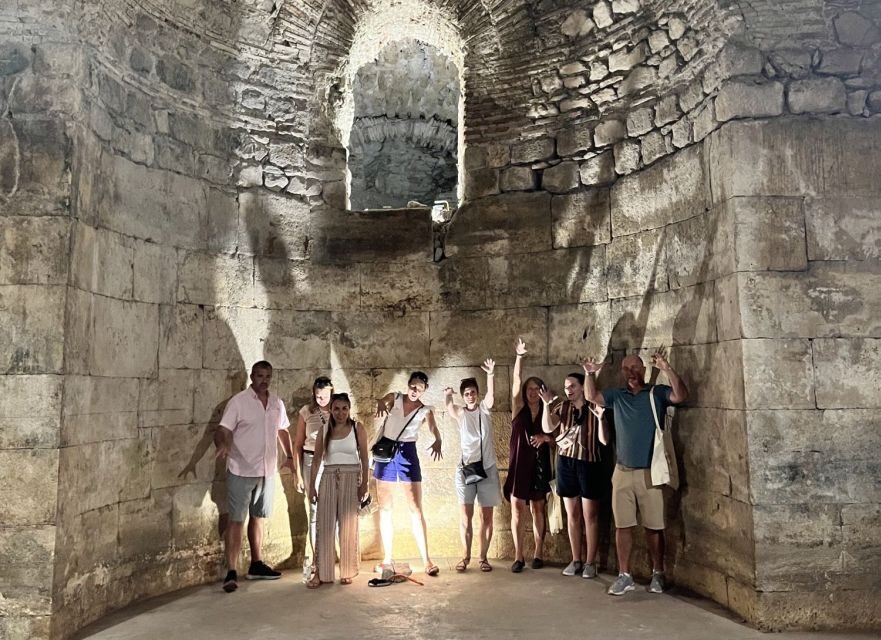
At $280 per person for a two-hour private tour, the price isn’t cheap. But it’s not random either. You’re paying for:
- A local English-speaking guide
- Tastings at the Green Market with local seasonal items
- Guided access to specific palace areas, including a private section, the vestibule, and the Golden Gates
The value logic here is simple: Roman palace self-guided exploring is possible, but it’s easy to miss why the spaces matter. This tour helps you “read” the palace as you walk. Add in market tastings and the local cultural connections (food, rituals, and identity), and it turns into more than a quick sightseeing run.
The private-group element also matters. You’re less likely to feel rushed, and you can ask questions when they naturally come up—especially inside a maze-like palace.
One more practical note: extra food and drinks are not included beyond the tastings. So if you’re the kind of person who turns “tasting” into “full meal,” plan a little extra budget.
What this tour includes—and what you won’t cover
You’ll get:
- Local English-speaking guide
- Green Market food stop with tastings (like fruits, vegetables, olive oil, rakija, cheese, or dry figs)
- Diocletian Palace Visit: main square within palace walls, private section, vestibule, and Golden Gates
You won’t get included entry for:
- The cathedral of ex-Emperor mausoleum
- The underground of the palace
- Bell tower
- Museums
- The Temple of Jupiter
This matters because if those specific places are your top priorities, you might need extra time or a separate plan. For most first-timers, the core story of Diocletian’s palace and the market experience is a strong combo.
Carbon neutral and eco-certified: a nice add-on you can feel good about
The tour is carbon neutral, operated by an eco-certified tour operator, and the company is B Corp–certified. That won’t change the stone under your feet, but it does matter if you care about the kind of businesses you support.
In practical terms, it’s a way to choose a guided experience that aligns with the eco values many people now look for. If that’s part of your travel checklist, this tour checks the box.
Who will love this tour most
This is a great match if you:
- Want a short, high-impact introduction to Split
- Like history when it’s paired with real street life (market + palace)
- Prefer a local guide over scanning plaques on your own
- Enjoy food and want cultural context, not just samples
- Travel in a private setting and want flexibility in pacing
It may be less ideal if you:
- Want to do every major palace-related site inside one go, since some entries are not included
- Are strictly on a tight budget
- Don’t care much about food or market culture
Should you book this Split Roman History & Market Tour?
If you want your first trip to Split to feel like a guided “understand this city” experience, I’d book it. You get a tight plan that connects Roman architecture, local beliefs, and the Green Market into one coherent walk.
The strongest reasons to say yes are the palace access to key interior areas plus the market tastings that turn learning into something you can taste. The tour’s eco-minded approach and the consistently praised pacing from guides like Ted and Ivan are also reassuring signals.
If your dream day is maximizing ticketed palace sights like the underground, museums, or the Temple of Jupiter, plan for extra time. This tour is best as a first or second stop—when you want the story and the flavors, not every last room.
FAQ
Where does the tour meet in Split?
The meeting point is at the beginning of the Riva promenade, near the mock-up model of the city and the iron map of Split.
How long is the tour?
The tour lasts 2 hours.
What’s included in the Diocletian Palace visit?
It includes visits to the main square within the palace walls, a private section of the palace, the vestibule, and the Golden Gates.
What food is included during the Green Market stop?
You’ll have tastings at the Green Market. The tour includes items such as fruits and vegetables, olive oil, rakija, cheese, and dry figs (seasonal availability may vary).
Is the tour carbon neutral?
Yes. This tour is carbon neutral and operated by a B Corp–certified, eco-certified tour operator.
Are children allowed, and is there a child fee?
Yes, it is child-friendly. Children under age 6 can join for free. You should inform the operator if you’re bringing a child under 6.