REVIEW · DIOCLETIAN'S PALACE
SPLIT-PRIVATE Walking Tour of Diocletian’s Palace & Old Town
Book on Viator →Operated by Walking Tour of SPLIT · Bookable on Viator
Roman walls still shape Split today. This private tour packs UNESCO sights into a focused route, starting in Diocletian’s Palace and ending back at the waterfront. I like that it mixes big-picture Roman context with street-level orientation, so you finish with a clearer sense of how Split works as a living city. The other thing I love: the licensed resident guide approach—long enough for questions, paced for real viewing, and delivered in English.
The main consideration is simple: some of the most interesting parts can involve extra paid entries (Cathedral of Saint Domnius inside, Temple of Jupiter inside, and the Museum of Diocletian’s Cellars). If you prefer a purely exterior walk with zero add-ons, budget your expectations—or plan to stick with the free lookouts.
In This Review
- Quick Hits Before You Go
- Entering Diocletian’s Palace: From AD 305 to Today’s Streets
- Peristyle, Squares, and the Human Scale of a Palace City
- Cathedral of Saint Domnius and Temple of Jupiter: What’s Free vs What Costs
- Cathedral of Saint Domnius
- Temple of Jupiter
- The Best-Preserved Palace Parts: Substructures and Cellars
- The 500-Year-Old City Clock and the Small Things That Stick
- Price and Logistics: Does $240 Per Group Make Sense?
- Guide Style That Turns Stone Into Stories
- Who This Tour Is Best For in Split
- Should You Book This Private Walking Tour of Diocletian’s Palace and Old Town?
- FAQ
- How long is the SPLIT-PRIVATE Walking Tour of Diocletian’s Palace & Old Town?
- What does the $240 price include?
- Are museum or cathedral entrances included?
- Is this a private tour or a shared group tour?
- Where does the tour start and end?
- What should I do if the weather is bad?
- How far in advance is this tour typically booked?
Quick Hits Before You Go
- Private for your group (up to 12), so you can ask questions and move at your pace.
- Diocletian’s Palace in AD 305 plus key palace landmarks like the Golden Gate and Emperor’s-square moments.
- Old Town orientation stops at Riva Harbor and major squares like Narodni Trg.
- Optional interior tickets: Cathedral of Saint Domnius (3.5 EUR), Temple of Jupiter (1.5 EUR), plus Diocletian Cellars museum (10 EUR).
- A 500-year-old 24-hour clock—a rare, practical time-slice of local life.
Entering Diocletian’s Palace: From AD 305 to Today’s Streets
Diocletian’s Palace is the reason Split exists the way it does. This tour starts with a guided visit of the palace, a UNESCO World Heritage Site built in AD 305—and the route quickly makes one point feel real: Roman planning wasn’t just about monuments. It was about daily movement, control, and how people would live afterward.
You’ll focus on the palace spaces that guests can actually understand without reading a textbook. Expect a walk that links architecture to story: how an imperial residence was laid out, what power looked like in stone, and why so many centuries later, buildings are still stitched into the modern city fabric. That is the big value here. You don’t just see the palace. You learn how it functions as a city inside a city.
Two landmarks you’ll want to watch for:
- The Golden Gate, the main and most beautiful entrance into the palace.
- The Vestibulum of Diocletian’s Palace, the main entrance connected to the emperor’s private residence.
Short stops like these matter because they help you build a mental map fast. And in Split, a fast map is half the fun.
You can also read our reviews of more walking tours in Split

Peristyle, Squares, and the Human Scale of a Palace City
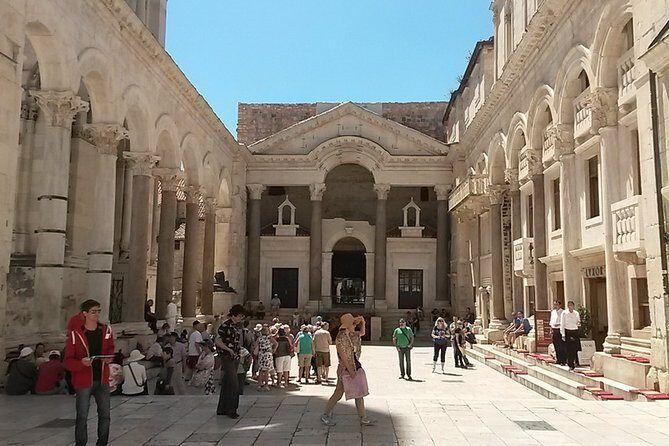
Right after the palace highlights, the tour shifts outward into Old Split—still connected to the palace, but now it feels like regular city life. The guided route is set up to give you the best “I get it now” moments.
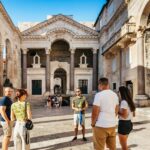
One of the most important stops is the Peristyle, often treated as the heart and soul of Split town. Even if your eyes are starting to glaze from Roman names, the guide’s job is to keep you oriented: where you are in the complex, what role the space played, and why people keep gathering here.
Then you move to stops that feel less like museum exhibits and more like landmarks you’ll recognize later when you wander on your own:
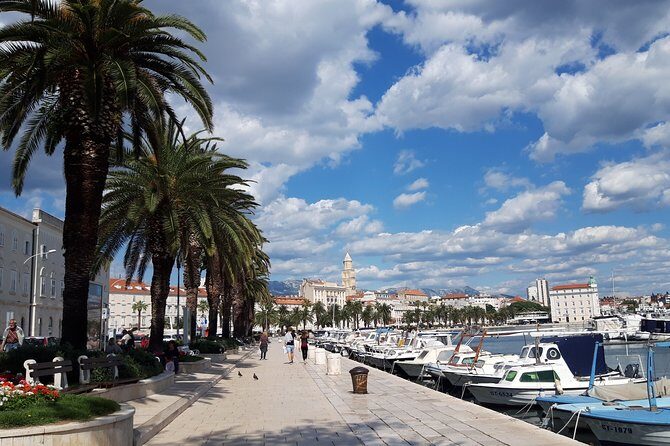
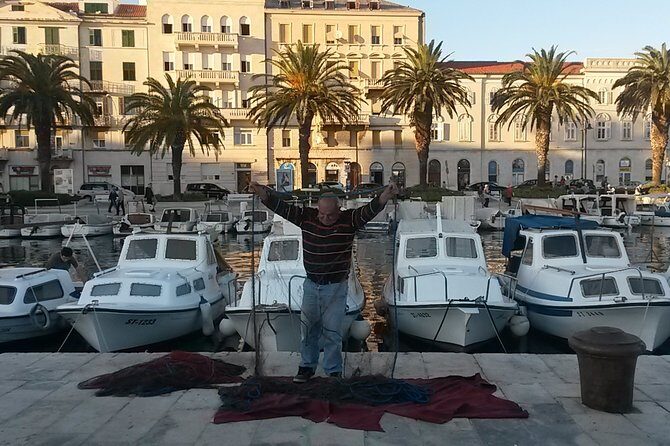
- Riva Harbor, where the tour starts and finishes. You get a waterfront anchor point, so you’re not ending the walk wondering which way is which.
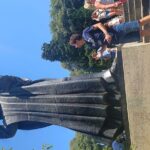
- Grgur Ninski (Statue), tied to one of Croatia’s most important historical figures. It’s brief, but it gives context you’d miss if you just snapped a photo and kept walking.
- Fruit’s Square (Trg Brace Radic), known for a statue of Marul, often described as the father of Croatian literature. The square stop is quick, but it connects culture to place.
- Narodni Trg, the biggest and liveliest piazza in Old Town. This stop is about atmosphere and orientation—how old streets funnel people into open space.
If you’ve ever had a “great sights, but I’m still lost” day in a historic city, this part helps prevent that. It’s the difference between collecting photos and understanding a layout.
Cathedral of Saint Domnius and Temple of Jupiter: What’s Free vs What Costs
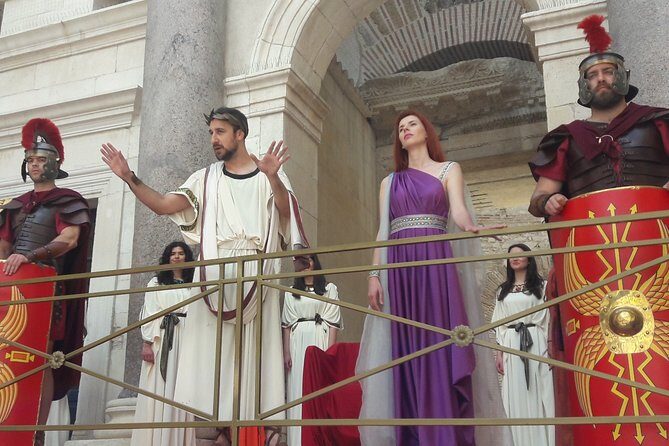
Not every stop here is an equal-depth visit. Some are view-from-outside moments, with the option to go inside if you want to spend extra time (and money).
Cathedral of Saint Domnius
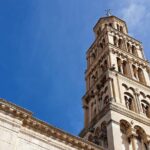
You’ll see the cathedral from the outside, then have the option of visiting inside. The inside ticket cost is 3.5 EUR per person, and it is explicitly not included.
This is a good way to travel smart. If you’re curious, you can add it. If you’re museumed-out, you can stay focused on the street-level story of Split.
Temple of Jupiter
The same idea applies here. You’ll see the former Temple of Jupiter from outside, and there’s an optional interior visit with an entrance fee of 1.5 EUR per person.
I like having these optional choices in a short 2-hour tour. You can tailor the day to your energy level, especially in warm months when every extra minute counts.
You can also read our reviews of more private tours in Split





The Best-Preserved Palace Parts: Substructures and Cellars
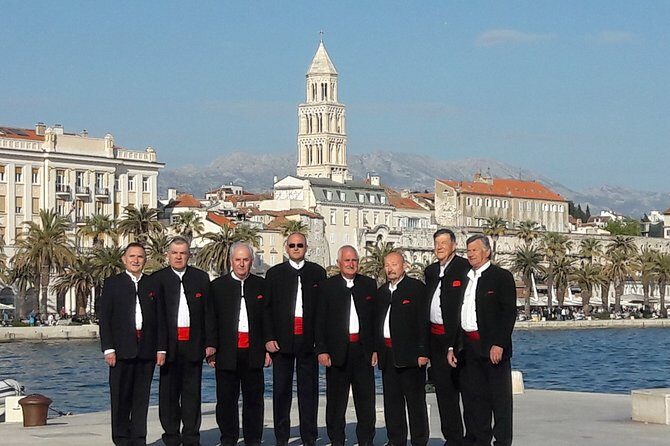
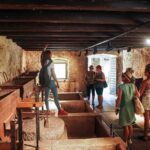
One of the biggest “value for time” segments is the focus on the palace’s substructures. This part is listed for 20 minutes, described as the best preserved part of the palace.
You should think of this as the tour shifting gears from bright, open spaces to the deeper, less-glamorous layers—stone that kept its form better than above-ground sections. It’s a reminder that the Roman world was as much about logistics as it was about spectacle.
There’s also an additional payment note here: the Museum of Diocletian’s Cellars is not included, with a listed fee of €10.00 per person. If the guide offers you the chance to include the cellars portion, decide based on two things:
- how curious you are about what’s under the palace
- how much time you want to spend in enclosed spaces
Even if you skip the extra entry, the substructures stop still supports the story. You just choose how far down the rabbit hole you go.
The 500-Year-Old City Clock and the Small Things That Stick
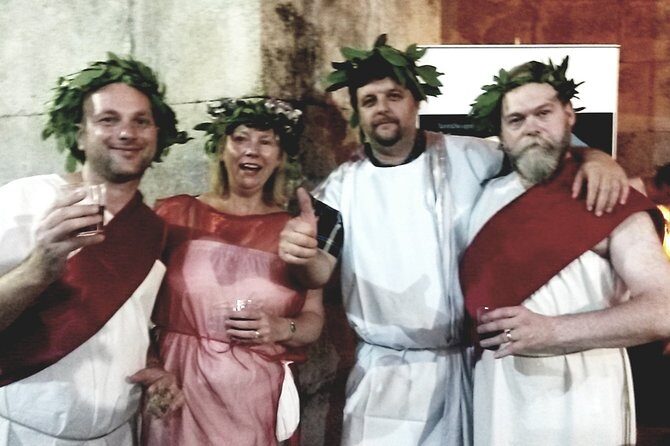
One quick stop that pays off later in your walk is the City Clock, a 500-year-old 24-hour clock. This isn’t just trivia. It teaches you something practical about how time, daily life, and public space have been tied together in Split for centuries.
A big reason this tour feels memorable is that it doesn’t only point at the famous headline sights. It also includes smaller, unusual landmarks—things you’d miss if you followed a standard “tick every monument” plan.
That helps you do better self-guided exploring afterward. When you know where the clock is and what squares matter, you stop walking in circles.
Price and Logistics: Does $240 Per Group Make Sense?
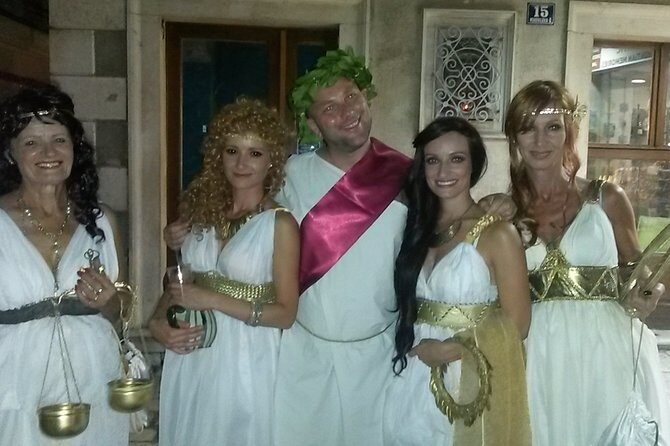
Let’s talk money without the hand-waving. This tour costs $240.00 per group (up to 12 people) and runs about 2 hours.
So your real per-person price depends on group size:
- If you fill all 12 spots, it’s about $20 per person.
- If you’re 4 people, it’s about $60 per person.
- If you’re just 2 people, it’s about $120 per person.
For a private tour, that can still be fair—especially because you’re not paying for a crowd. You’re paying for a licensed resident guide and a custom-designed route through the palace and Old Town core. Add in that many stops are free admissions, and you can keep costs under control by choosing whether to pay for optional interiors.
What’s not included matters:
- Gratuities for the guide (not included)
- Cathedral of Saint Domnius interior (3.5 EUR per person, optional)
- Temple of Jupiter interior (1.5 EUR per person, optional)
- Museum of Diocletian’s Cellars (10 EUR per person, not included)
This is where the value becomes personal. If you’re the type who loves interiors and details, the optional fees will be worth it. If you’d rather spend money on a snack and keep moving, you can keep the paid parts to zero or one.
Guide Style That Turns Stone Into Stories
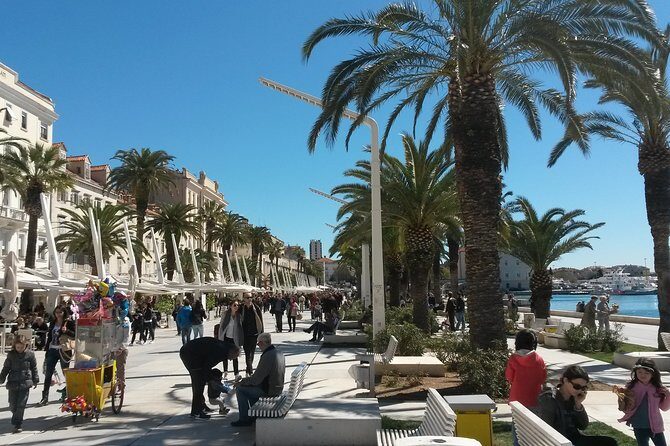
A Diocletian Palace tour can go two ways. It can sound like a lecture, or it can feel like the buildings are speaking.
What stands out in this experience is the guide’s style: story-led, question-friendly, and laced with humor. Names like Josko/Joško show up repeatedly in guide feedback, often described as making the Roman timeline feel manageable—even for people who aren’t history fans.
You’ll likely notice a few practical strengths in how the tour runs:
- The guide takes time for questions instead of rushing past them.
- The explanations are designed to help you picture what you’re standing in front of, not just memorize facts.
- The pace stays appropriate for a short 2-hour walk, with occasional attention to comfort (including shade when possible).
Also, because this is private, you’re more likely to get the “good-fit” experience. If you want more emphasis on architecture, or you want the story slowed down for kids or jet lag, the format supports that.
Who This Tour Is Best For in Split
This is a great match if you’re:
- visiting Split for the first time and want quick orientation
- interested in Roman history but you don’t want a dry, long lecture
- traveling with family or mixed ages and need a guide who can keep attention
- someone who prefers a private pace over joining a large group
It’s less ideal if you:
- want a long, wandering, self-led exploration with lots of free time inside museums
- want only paid-entry highlights and don’t care about the free orientation stops
- plan to visit with a group that hates optional add-ons (since you’ll see several opportunities with extra costs)
Weather matters too. The experience requires good weather. If conditions are poor, you should be ready for a change of date or refund option.
Should You Book This Private Walking Tour of Diocletian’s Palace and Old Town?
I’d book it if you want the best first-pass understanding of Split’s core in only about two hours. The route is built around the palace’s big anchors (Golden Gate, Peristyle, substructures, Vestibulum) plus Old Town orientation (Riva Harbor and major squares). It’s the kind of tour that helps you stop treating the city like separate landmarks and start seeing it as one connected place.
If you’re on the fence, here’s the shortcut decision rule I use:
- If you want stories that help you navigate, pay and go.
- If you only want photos and can do the landmarks solo, you might not need a private guide.
For value, aim for group size if you can. For comfort, wear shoes you can trust on uneven old-stone surfaces. And if you’re curious about interiors, be ready to budget the optional tickets.
FAQ
How long is the SPLIT-PRIVATE Walking Tour of Diocletian’s Palace & Old Town?
The tour is approximately 2 hours.
What does the $240 price include?
It includes a private licensed resident guide and a custom-designed itinerary and tour organization. The tour also uses a mobile ticket, and it’s offered in English.
Are museum or cathedral entrances included?
Not all entrances are included. The optional Cathedral of Saint Domnius inside visit costs 3.5 EUR per person, and the optional Temple of Jupiter inside visit costs 1.5 EUR per person. The Museum of Diocletian’s Cellars entrance fee is €10.00 per person and is not included.
Is this a private tour or a shared group tour?
It’s a private tour. Only your group participates.
Where does the tour start and end?
It starts at Obala Hrvatskog narodnog preporoda 22, 21000 Split, Croatia and ends back at the same meeting point.
What should I do if the weather is bad?
The experience requires good weather. If it’s canceled due to poor weather, you’ll be offered a different date or a full refund.
How far in advance is this tour typically booked?
On average, it’s booked about 39 days in advance.
If you want, tell me your group size and whether you’re interested in the optional cathedral and cellars. I can help you estimate the realistic total cost for your day.