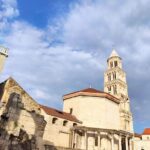
REVIEW · HISTORICAL TOURS
Split Walking Tour: History, Legends & Tales
Book on Viator →Operated by Tour4You · Bookable on Viator
Diocletian’s Palace hides stories in plain sight. This 1.5-hour Split walking tour takes you from Riva Harbor into the Palace world, then back out into the squares where Split grew beyond the walls. I love the tight pacing—major sights with no museum detours—and I like how the route mixes big legends with concrete Roman details, especially at the Peristyle and the Gregory of Nin statue.
One thing to consider: the tour focuses on seeing historic areas, not paying for entrances. So if you’re hoping for ticketed museum time, you’ll need to plan that separately.
In This Review
- Key highlights you’ll notice fast
- Getting oriented on Riva Harbor, then stepping into Diocletian’s world
- Substructures: where Roman power becomes real architecture
- Vestibulum and the Palace entrance spaces you can almost feel
- Peristyle and the 3,500-year-old sphinx: the myth you can touch
- Golden Gate and Gregory of Nin: legends with a toe-rubbing ritual
- Pjaca (People’s Square) and Fruit’s Square: the city grew outward
- What makes the 1.5 hours work (and what it won’t cover)
- Price and value: why $30-ish can be a smart start
- Who should book this Split intro walk
- Should you book this Split Walking Tour?
- FAQ
- FAQ
- How long is the Split walking tour?
- What does the tour cost?
- Is the tour offered in English?
- Where does the tour start and end?
- What’s included in the tour price?
- Are any museums or paid sites included?
- How large is the group?
- Will I receive a ticket on my phone?
- What happens if the weather is poor?
- Can I cancel for a full refund?
- Are service animals allowed?
Key highlights you’ll notice fast
- A small group (max 12) keeps the history talk from feeling like a lecture line
- Under-Palace substructures mean you get Roman engineering context, not just surface photos
- Peristyle + a 3,500-year-old sphinx gives you a real “how is this still here?” moment
- Golden Gate and Gregory of Nin toe-luck turn a statue into a usable local legend
- Pjaca and Fruit’s Square show you where Split expanded in the 1300s onward
- Licensed English guide and a mobile ticket make it easy to start and stay on track
Getting oriented on Riva Harbor, then stepping into Diocletian’s world
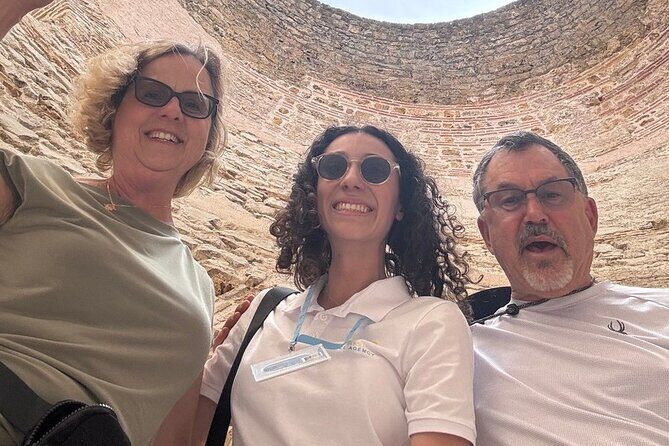
I like tours that start with bearings, and this one does. You meet at Obala Hrvatskog narodnog preporoda 22 on the main promenade, with the sea right there and Split’s waterfront energy around you. From the first minutes, your guide frames what you’re about to see: Emperor Diocletian, his Palace, and why this coastal city became something far bigger than a single imperial residence.
Why this matters: Diocletian’s Palace can look like a maze if you show up blind. Starting at the promenade helps your brain connect the dots—shoreline, walls, entrances, and the logic of streets built in and around Roman spaces. It also sets expectations for the legends you’ll hear later, including the luck ritual at Gregory of Nin.
You can also read our reviews of more walking tours in Split

Substructures: where Roman power becomes real architecture
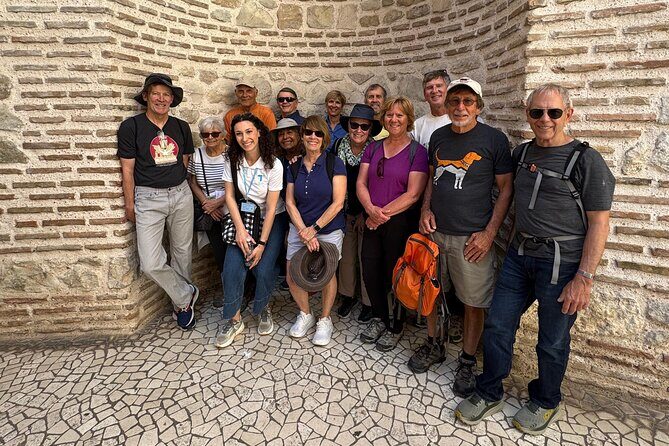
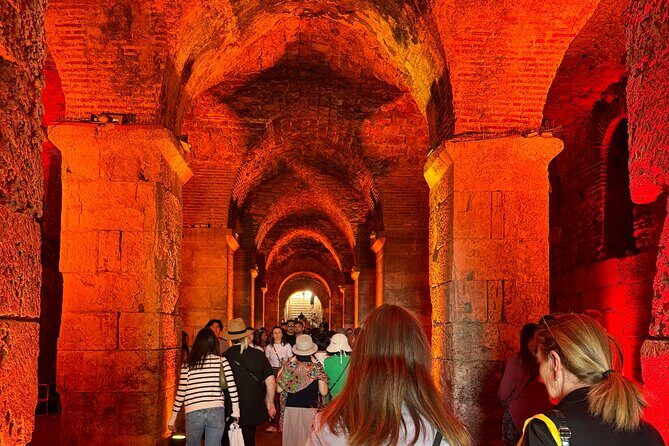
One of the biggest “wait, that’s actually under there?” moments comes early. You pass by the Diocletian Palace substructures, an underground labyrinth of corridors and rooms that once formed the foundation for Diocletian’s Palace above. This is not just a spooky basement stroll. It’s a practical look at how the Romans engineered weight, stability, and space so the monumental palace could stand.
What you should expect: time here is short, so you’ll move through key areas without lingering in any single room for long. That’s good for a walking tour—especially if you want an overview without spending half the day underground.
A small consideration: underground areas and tight passages can feel different from open streets. If you’re claustrophobic or not steady on your feet, take it slow and let your guide know so you can adjust your pace.
Vestibulum and the Palace entrance spaces you can almost feel
Next, you walk through the southern parts tied to Diocletian’s life inside the Palace complex—headlined by the Vestibulum, described as the grand entrance hall. This is where the tour helps you visualize movement. Even if you’re not walking through a museum room, you’re tracing how someone would enter, travel through the palace’s main spaces, and reach areas linked with governance and daily life.
The itinerary wording also points you to zones associated with Diocletian’s apartments, plus references like the Triclinium (dining hall) and gardens. In plain terms, you’re getting a sense of how the Palace worked as a city inside a city—rooms with purpose, and a layout that shaped everything from meals to public entrances.
Peristyle and the 3,500-year-old sphinx: the myth you can touch
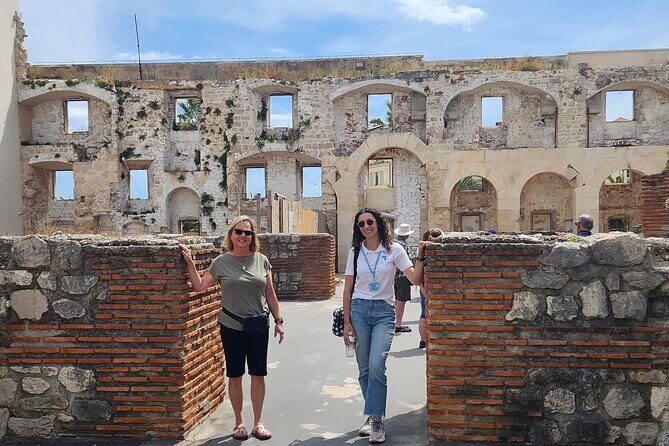
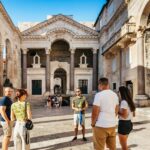
This is where the tour turns from history explanation to something closer to a living artifact experience. The Peristyle is one of the closest points where modern visitors get to stand in the presence of ancient—and in Split, that includes a preserved sphinx said to be about 3,500 years old.
Why it hits: the sphinx isn’t just a decorative detail. It’s framed in the tour as part of Split’s longer story—Roman, and also influence beyond Rome. When you stop and look around, you’ll start noticing how the Palace spaces still function as real public rooms for today’s city.
Practical tip: take your time here. People tend to hurry past Peristyle areas because they look like “just another courtyard.” Slow down for two reasons: it’s a key visual anchor for everything you’ll see next, and the sphinx is the kind of object you’ll want a few photos of from different angles.
Golden Gate and Gregory of Nin: legends with a toe-rubbing ritual

After the Peristyle, you’ll continue to the Golden Gate, another major entranceway connected to the Palace’s grandeur. It’s a shift from open courtyard scale back toward a statement of power—how Rome announced itself.
Then comes the part you can’t miss: the statue of Gregory of Nin. The tour highlights a legend where rubbing the statue’s big toe brings good luck and grants wishes. This is one of those traditions that feels silly until you’re standing there and realizing how many people before you have done the same thing.
How to make it meaningful: treat it like a fun reset for your trip. Make the wish, then use it as a reminder to look up and around as you continue. The Palace complex is full of small cues—doorways, arches, street angles—that make more sense once you’ve linked the story to where you’re standing.
You can also read our reviews of more historical tours in Split

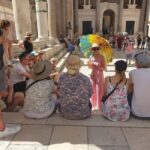


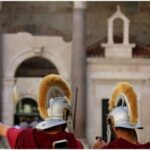
Pjaca (People’s Square) and Fruit’s Square: the city grew outward
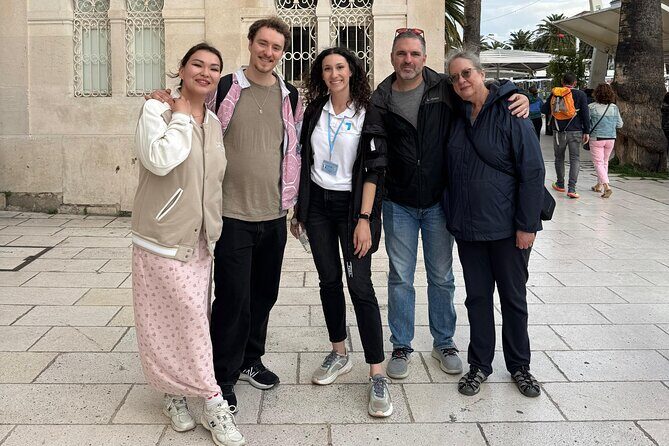
Now you move beyond the Palace walls and you start seeing how Split evolved. You’ll stop at Narodni Trg, officially People’s Square, at Pjaca, just past the western walls of Diocletian’s Palace near the exit of the Iron Gate. The tour frames Pjaca as the first major area developed beyond the walls when the palace became too small as the population grew in the 14th century.
You also get context around civic life: the square was home to the former 15th-century city hall, and it remains a gathering space—perfect for a coffee break or a nighttime stroll. This is also where you can watch daily Split life: people pause, conversations happen, and the squares feel like they belong to today, not just to postcards.
Then you’ll head to Fruit’s Square (Trg Brace Radic). Even in a compact space, the landmarks pack in details. One highlight is an octagonal Venetian tower left from a 15th-century fortress built for defense when the town was smaller. Opposite that stands the Milesi palace from the 17th century, known for a spectacular Baroque facade—one of the better examples in Dalmatia, according to the tour’s framing.
What I like about ending this way: it keeps the story from feeling trapped in ancient times. You see the Palace, then you see how Split kept growing—economy, culture, architecture—layer by layer.
What makes the 1.5 hours work (and what it won’t cover)

This tour runs about 1 hour 30 minutes, with a max group size of 12. That’s a sweet spot for the first day in Split, especially if you want the big names—Palace spaces, major gates, and the two main squares—without turning your schedule into a grind.
Here’s what you’ll likely appreciate:
- You get a structured path through key Palace areas and the surrounding streets.
- The focus stays on what you can see right now, without relying on ticketed museum rooms.
- The legends add memory hooks, like the Gregory toe ritual, so you remember what you saw after you leave.
What you won’t get (and that’s important): the tour explicitly notes no admission tickets included and no museum or paid-site entry. In other words, you’re not buying time inside ticketed collections. If you want deeper museum content, you’ll need to add that separately.
Price and value: why $30-ish can be a smart start
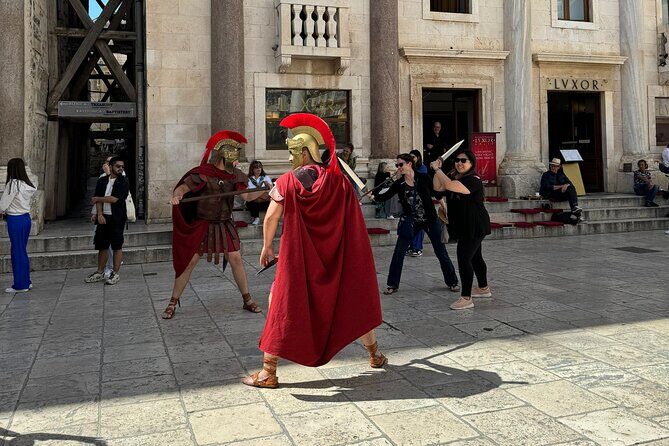
At $30.17 per person, you’re paying for three things: a licensed guide, a tight itinerary, and walking time that would take you longer to piece together on your own. You’re also getting the convenience of a mobile ticket and English narration, plus the small-group cap.
Is it a bargain compared to expensive “big bus” tours? Usually, yes—because you’re spending your money on the part that matters most: context. Diocletian’s Palace is the kind of place where a guide can cut through the confusion quickly. Even if you’re an independent traveler, the pairing of Roman engineering (substructures) and how Split expanded afterward (Pjaca and Fruit’s Square) makes the guide time feel efficient.
One more value note: tours like this tend to book ahead. If you want a morning slot or you’re traveling on a tight schedule, it’s worth reserving early rather than assuming last-minute availability.
Who should book this Split intro walk
This tour fits best if you:
- want a first-day overview that helps the Palace make sense
- like legends with real landmarks, not just ghost stories in the dark
- appreciate a route that stays mostly outside paid sites
- travel with mixed ages and want something that’s easy to grasp and paced for a short attention span
If you’re the type who wants to spend hours inside multiple ticketed museum spaces, you may find this tour short. But as a foundation—so you know what to chase next—it works well.
Should you book this Split Walking Tour?
If you want a smart, story-based introduction to Split that connects Diocletian’s Palace to the city that grew around it, I’d book it. The route hits the major anchors in about 90 minutes: the promenade start, the substructures, the Peristyle and sphinx, the Golden Gate and Gregory of Nin toe legend, then Pjaca and Fruit’s Square.
Skip it only if ticketed museum time is your priority. Because this tour keeps its promise of no paid-site entry, it’s built for getting oriented and leaving ready to explore on your own.
FAQ
FAQ
How long is the Split walking tour?
It lasts about 1 hour 30 minutes.
What does the tour cost?
The price is $30.17 per person.
Is the tour offered in English?
Yes, it’s offered in English.
Where does the tour start and end?
It starts at Obala Hrvatskog narodnog preporoda 22, 21000, Split, Croatia, and ends back at the same meeting point.
What’s included in the tour price?
A licensed tour guide is included. The tour does not include admission tickets.
Are any museums or paid sites included?
No. The tour does not enter any museums or other paid sites.
How large is the group?
The tour has a maximum of 12 travelers.
Will I receive a ticket on my phone?
Yes, it includes a mobile ticket.
What happens if the weather is poor?
This experience requires good weather. If it’s canceled due to poor weather, you’ll be offered a different date or a full refund.
Can I cancel for a full refund?
Yes. You can cancel up to 24 hours in advance for a full refund.
Are service animals allowed?
Yes, service animals are allowed.