REVIEW · DIOCLETIAN'S PALACE
Split: Diocletian’s Palace Private walking tour
Book on GetYourGuide →Operated by Split Guide · Bookable on GetYourGuide
Roman Split fits into one walk. Diocletian’s Palace is a 1700-year-old Roman complex that still has people living inside, so the place doesn’t feel frozen. I like the way this private format helps you get your bearings fast, and I also like that you’re walking through rooms tied to real daily life, not just stone behind glass.
On this Split tour, you’re led through the palace’s key “set pieces” that explain how power, religion, and city life worked together. Expect a guided route that focuses on the Peristyle, the cathedral connection, Diocletian’s entrance area, and the North Gate—so you leave with a clear sense of what mattered in Roman Split.
One consideration: some stops can be limited by events or church services, and parts of the site are not wheelchair accessible (though the tour can be adapted if you tell them in advance).
In This Review
- Key highlights you’ll care about
- Why Diocletian’s Palace Feels Different From a Museum
- Starting on Riva: The Bronze Model Meeting Point
- The Private Format: Maximum 10 People, Real Questions
- Peristyle: Jupiter’s Son and the Palace’s Power Play
- Split Cathedral: From Pagan Mausoleum to Christian Center
- Vestibule: Diocletian’s Grand Entrance to Private Chambers
- North Gate (Porta Aurea): The Most Important City Gate
- What to Expect on the Walk (And How to Prepare)
- Price and Value: Is $135 per Person Fair?
- Who This Tour Suits Best
- Should You Book This Diocletian’s Palace Private Walking Tour?
- FAQ
- Where does the tour start?
- How big is the group?
- What stops are included in the tour?
- Which languages are available?
- Is the tour wheelchair accessible?
- What if a sight can’t be visited?
Key highlights you’ll care about
- Private pace with a group max of 10, so you can actually ask questions as you walk
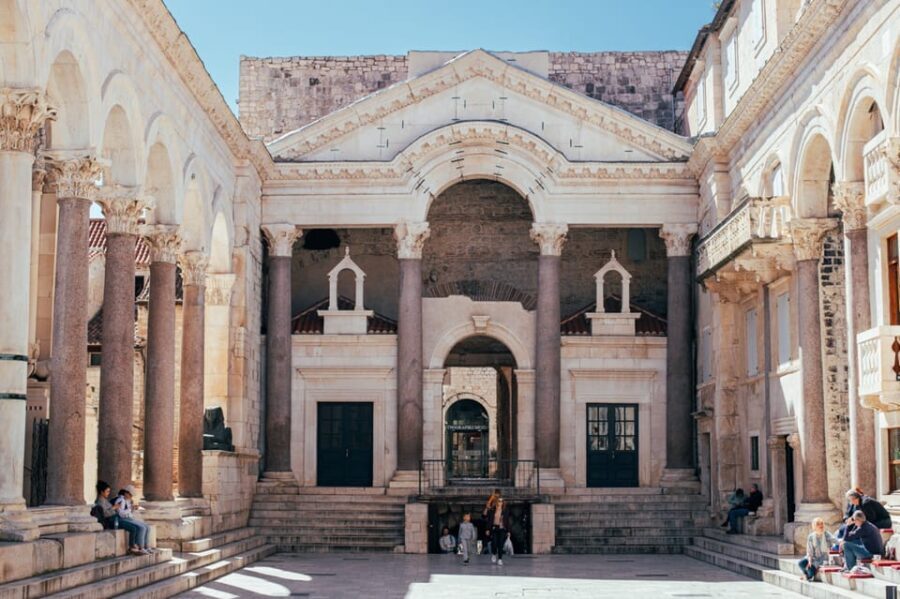
- Peristyle, where Diocletian was worshipped as Jupiter’s son and politics met religion
- Split Cathedral, built from the older mausoleum story of Diocletian
- Vestibule, the grand entrance to the emperor’s private chambers and dignitary route
- North Gate (Porta Aurea / Golden Gate) plus the Church of St. Martin tucked nearby
Why Diocletian’s Palace Feels Different From a Museum
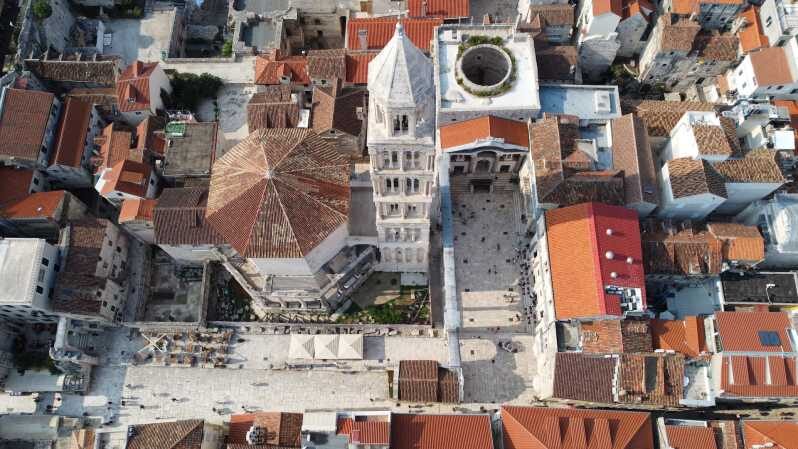
Diocletian’s Palace isn’t just a ruin you look at from a distance. It’s architecture you move through while real people continue their lives on the same footprint. That changes the vibe right away: the stones feel practical, not staged.
I also like tours that connect the big ideas to specific rooms. Here, the stops are chosen to explain how the palace worked—where worship happened, where ceremonies were received, and which gate mattered most for movement and control.
If you want a quick but meaningful orientation to central Split, this kind of guided walk is a strong pick. You’ll get the palace’s layout in your head, not just a list of facts.
You can also read our reviews of more walking tours in Split
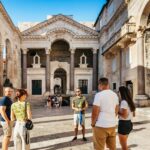
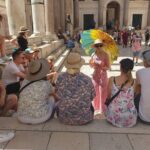

Starting on Riva: The Bronze Model Meeting Point
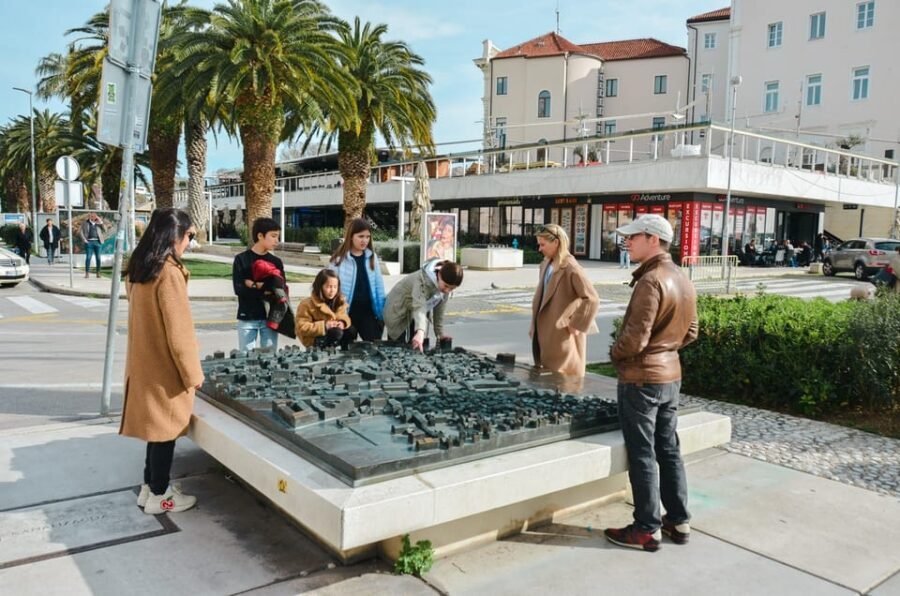
The tour starts at the bronze model of Split on the eastern end of the promenade Riva. That’s a smart way to begin because you can visually map what you’re about to walk through. It also keeps the meeting easy to find—especially if this is your first day in town.
From that starting point, you’ll head into the palace zone and learn why certain areas were designed to impress. The route is built around recognition: you’ll see the spaces that explain Roman priorities, then connect them to what you see today.
One small tip: wear comfortable shoes. The palace streets can include uneven paving, and your time will feel better if your feet are happy.
The Private Format: Maximum 10 People, Real Questions
This is a private walking tour designed for groups up to 10 people. That matters more than it sounds because you’re not stuck listening from the back while everyone else moves on. With a smaller group, your guide can adjust pacing when someone wants to slow down at a detail.
If you love history but hate the dry version, this is a good match. In a small-group setting, guides can explain the why behind the Roman choices, not just recite dates.
And yes, you may meet an enthusiastic guide like Dana, who’s described as a standout for keeping the tour lively and personal. That kind of energy helps a lot when the palace is dense and you’re trying to hold it all in your head.
Peristyle: Jupiter’s Son and the Palace’s Power Play

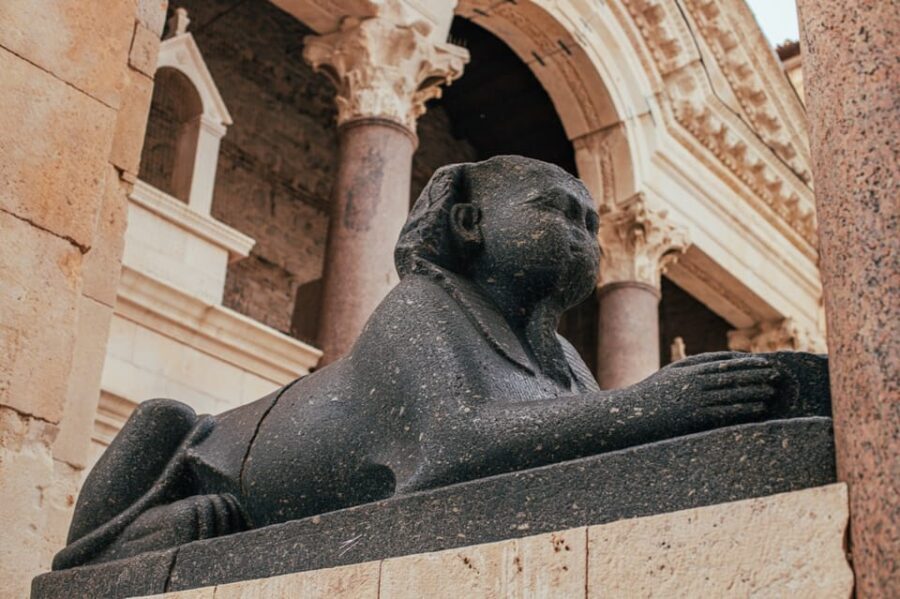
The Peristyle is one of the most important stops because it explains how Diocletian’s authority was presented. You’ll learn that Diocletian was worshipped there as Jupiter’s son, turning the emperor into something like a living symbol of cosmic order.
What I like about this part is how it reframes the space. You’re not just seeing a courtyard—you’re seeing a stage. The Peristyle served as a meeting place where the emperor could connect with subjects, so religion wasn’t separate from government. It was part of how the system kept working.
When you picture the Peristyle as a public-facing “platform,” the rest of the palace makes more sense. You start noticing how entrances, corridors, and ceremonial spaces guide people toward the right places at the right moments.
Split Cathedral: From Pagan Mausoleum to Christian Center
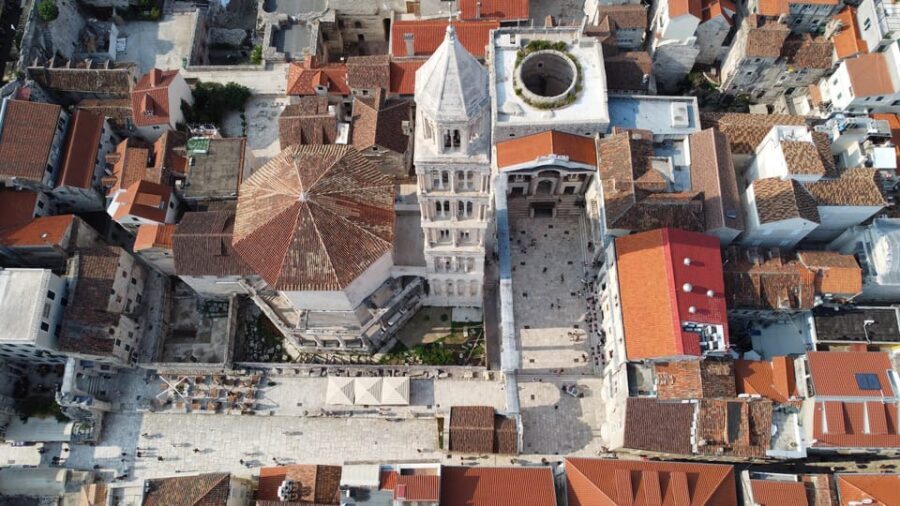
Next up is the story of Split Cathedral, which you’ll uncover as you walk. This cathedral traces back to the mausoleum of Emperor Diocletian, and later Christianity reshaped the building’s role.
The tour highlights a key twist in the timeline: when Christianization took hold, Diocletian’s remains vanished, and the structure became a cathedral. That change is more than religious symbolism—it shows how later generations repurposed imperial power into their own narrative.
You’ll also get a chance to admire the cathedral’s exterior, which is often where the “wow” lands. Even if you’re not a devoted church visitor, the building’s shape and transformation tell a dramatic story about what survives and what gets rewritten.
You can also read our reviews of more private tours in Split




Vestibule: Diocletian’s Grand Entrance to Private Chambers
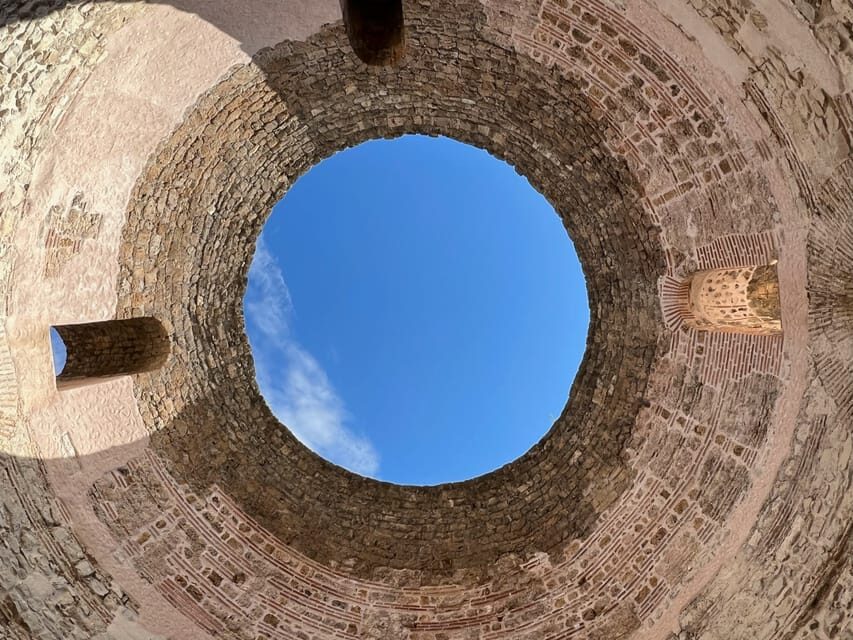
The Vestibule is the grand entrance to Diocletian’s private chambers. It’s the kind of stop that makes you understand power as choreography—who enters where, and what kind of welcome the ruler offered.
Here, the guide connects architecture to people. The Vestibule welcomed dignitaries from around the world, so you’re not only imagining the emperor—you’re imagining the arrival, the ceremony, the controlled impression.
This is also a great place for your brain to shift from “walking through a site” to “understanding a system.” Roman palace design worked like a funnel, directing movement and attention. That’s the value of having a guide point out what each space likely meant in daily life and state events.
If you’re short on time in Split, this is one of the best stops for making the whole palace feel coherent.
North Gate (Porta Aurea): The Most Important City Gate
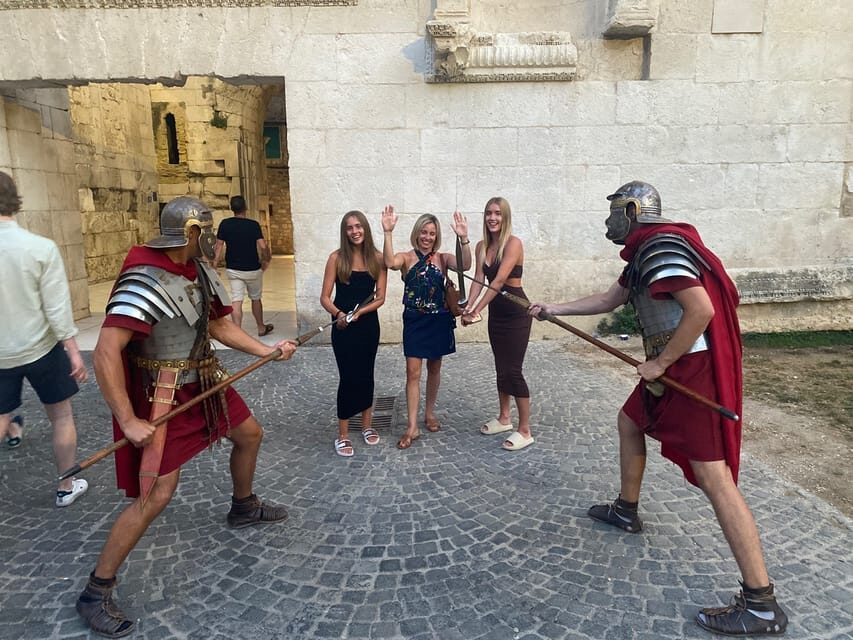
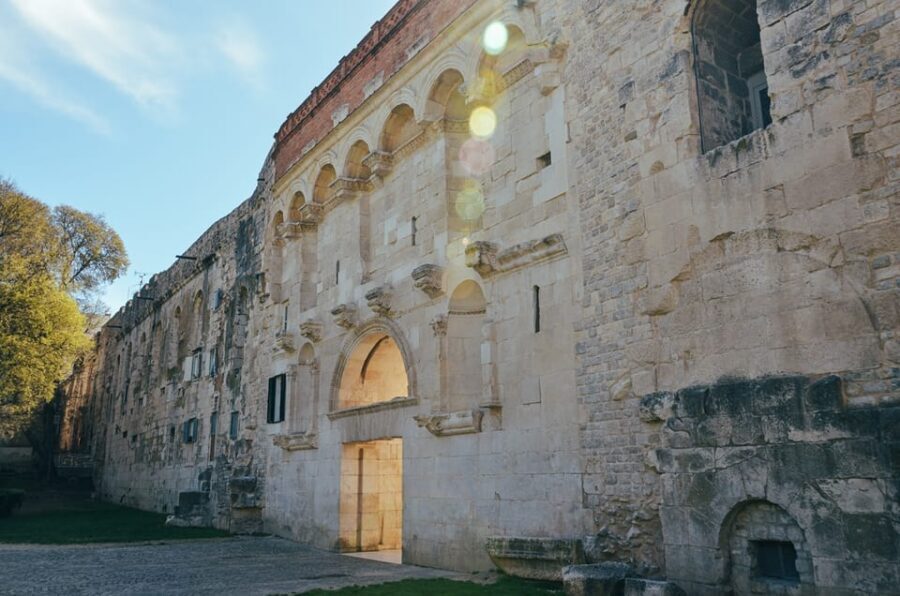
Then comes the North Gate, described as the most important city gate during the Roman era. You’ll hear its alternate name too: Golden Gate or Porta Aurea.
That naming matters. Gates weren’t just exits—they were political statements about control, access, and prestige. Learning that the North Gate was the key one helps you understand why the palace’s layout wasn’t random. The Romans planned movement like they planned authority.
Inside the former guard corridor, you’ll also find the Church of St. Martin, noted as the city’s smallest church. It’s an unusual pairing, and it’s exactly the kind of detail you’d miss if you were only reading a brochure.
What I like most here is the contrast. You’re seeing a Roman defensive corridor, and then you’re encountering a tiny church space built into that older system. It’s a visual reminder that the palace kept changing roles long after Rome.
What to Expect on the Walk (And How to Prepare)

Because this is a highlights-based private walk, you should expect a focused pace rather than a slow crawl through every corner. The value is clarity: you learn the palace’s major parts, what they meant, and how they connect.
You’ll move between standout areas like the Peristyle, Split Cathedral, the Vestibule, and the North Gate, with the Church of St. Martin mentioned in the North Gate area. The guide also explains how the palace still holds modern life—people live here—so you’re not studying a model, you’re walking through a real neighborhood with Roman roots.
If you’re planning photography, bring your eyes for details as well as big views. The palace can be visually busy, but that’s where a guide helps you pick out what’s important.
Price and Value: Is $135 per Person Fair?
At $135 per person, this isn’t the cheapest way to see Diocletian’s Palace. But it’s not priced like a random add-on either. You’re paying for a private walking guide with a group limit of 10, and that’s usually what you want when the site is packed with meaning.
The value shows up in two ways. First, you’re covering the most “explainable” highlights—spaces like the Peristyle and North Gate that make the Roman story click. Second, the smaller group size helps your guide tailor explanations and keep the walk efficient.
If you’re traveling with family or friends and you prefer a guided route that helps you avoid getting lost, this price can feel fair. If you enjoy self-guided wandering and already know the palace layout, you might feel the cost more. For most people trying to learn quickly in a short time, the private format justifies it.
Who This Tour Suits Best
This tour fits you if you want history without chaos. The highlights focus is ideal when you don’t want to spend hours figuring out what you’re looking at.
It’s also a good choice if you like architecture explanations. The guide points to rooms tied to worship, ceremony, and city access, so you leave with a better sense of how Roman power worked.
If your mobility is limited, plan ahead. The site is partially not wheelchair accessible, but the tour can be adapted if you inform them in advance—so it’s worth asking early rather than hoping.
Should You Book This Diocletian’s Palace Private Walking Tour?
I’d book it if you want a guided, efficient way to understand why Diocletian’s Palace still matters. The Peristyle-to-cathedral-to-gates route covers the big themes—religion, repurposing power, and how the city moved—without sending you down endless side streets.
I would hesitate only if you’re okay with a self-guided approach or if you’re very sensitive to schedule changes. Some sights may be affected by events or church services, and the program can shift.
If you want to get oriented quickly and see the palace’s most meaningful parts with a guide who can keep the story flowing (like Dana, who’s praised for her energy), this is a strong pick.
FAQ
Where does the tour start?
It starts at the bronze model of the city of Split at the eastern end of the promenade Riva.
How big is the group?
The tour is designed for a group of maximum 10 participants.
What stops are included in the tour?
The tour includes the Peristyle, Split Cathedral, the Vestibule (entrance to Diocletian’s private chambers), the North Gate (Golden Gate/Porta Aurea), and the Church of St. Martin in the former guard corridor.
Which languages are available?
The tour is offered in French, German, and English.
Is the tour wheelchair accessible?
The site is partially not wheelchair accessible, but the tour can be adapted for special needs if you inform the provider in advance.
What if a sight can’t be visited?
Some sights may not be visited due to events or church services. In that case, the tour program is slightly changed.