REVIEW · CITY TOURS
Split City Walking Tour
Book on Viator →Operated by Divine Croatia · Bookable on Viator
Split can feel like a movie set once you start walking. This city walk is a smart, foot-powered way to connect the Roman roots to the Christian layers in the center, guided in English and paced for real sightseeing. You’ll hit key landmarks like Trg Braće Radić and Benedictine monastery remains, then step into three big-ticket sites that explain why Split looks the way it does.
What I like most is the hands-on flow: you don’t get stuck for long in one spot. I also love that the major stops include free admission, so you’re not juggling extra tickets while you’re trying to enjoy the walk. The only real drawback to plan for is the dress code—places of worship and some museums require covered knees and shoulders, and ignoring it can mean refused entry.
In This Review
- Key highlights at a glance
- A 2-hour walking tour that makes Split legible fast
- Price and what $94.12 really buys you
- Meeting point and how the walk ends inside Diocletian’s Palace
- Stop 1: Cathedral of Saint Domnius and the Roman-to-Christian twist
- Stop 2: Temple of Jupiter and the magic of Roman fragments
- Stop 3: Diocletian’s Palace Peristyle, the center of the palace world
- Trg Braće Radić and the Benedictine monastery remains on the walk
- Morning vs evening: choose the time that fits your pace
- What the guide style is like in a small-group setting
- Practical tips so you don’t get tripped up
- Who should book this Split walking tour
- Should you book this Split city walking tour?
- FAQ
- What’s included in the Split City Walking Tour?
- How long is the tour?
- Where does the tour start and end?
- Is the tour offered in English?
- Do I need to buy tickets for the main stops?
- What should I wear for this tour?
- What’s the group size?
- Is free cancellation available?
Key highlights at a glance
- Two time slots: choose a morning or evening departure to match your day
- Max 15 people: small-group attention without the big-bus feeling
- Free entry at the main stops: Cathedral of Saint Domnius, Temple of Jupiter, and Diocletian’s Palace Peristyle
- Walk-and-explain pacing: quick transitions so you see more, not just stand and wait
- Local guide guidance: you’ll get explanations tied to what you’re looking at
- Real center-to-palace route: start near Ul. kralja Tomislava 15 and end at Diocletian’s Palace
A 2-hour walking tour that makes Split legible fast
This is the kind of tour that helps you read a city. Split’s center can be confusing at first—layers of centuries stacked on top of each other—but this walk keeps the story simple and visual. You start in the wider city area and move toward Diocletian’s Palace, with a local guide guiding your attention to what matters.
The total time is about 2 hours, and the pacing is purposeful. I like this format because it’s long enough to get meaning out of the sites, but short enough that you’ll still feel free afterward to wander on your own.
You’ll also be in a small group (up to 15), which matters in a tight historic center. Smaller groups keep it moving and make it easier to ask questions when something catches your eye.
You can also read our reviews of more walking tours in Split

Price and what $94.12 really buys you
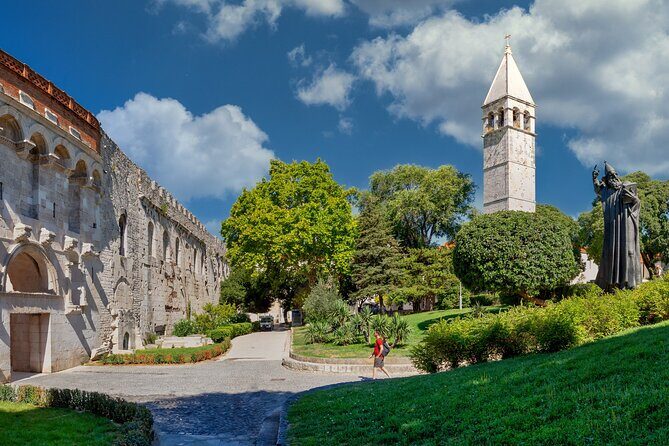
At $94.12 per person, you’re paying mainly for a live guide and a focused route through Split’s center. There’s no hotel pickup or drop-off, so you’re expected to reach the meeting point yourself, which can help keep the price where it is.
Here’s the key value point: the main stops in the route list free admission. That’s a big deal when you’re budgeting. Instead of spending time (and money) on ticket counters, you’re spending time where you’ll actually learn—inside and around the landmarks.
If you want a “see it, understand it, then keep exploring” experience, this price is reasonable for what you get: a guided narrative, a tight route, and entries that won’t add surprise costs.
Meeting point and how the walk ends inside Diocletian’s Palace
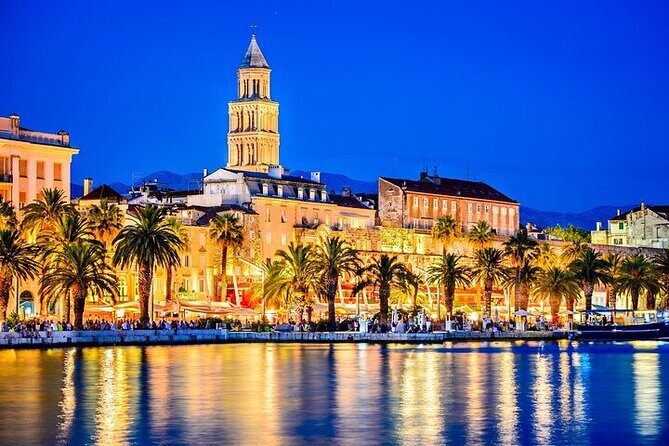
You meet at Ul. kralja Tomislava 15, 21000 Split, and the tour ends at Diocletian’s Palace (21000 Grad, Split). The setup is simple: you meet in the central area, then walk to the palace complex.
Because it’s a walking tour in a historic core, planning your arrival matters. Go in expecting cobblestones and uneven surfaces. Also, since there’s no hotel transfer, I recommend checking how you’ll get to the start before you commit—especially if you’re arriving by bus or train.
At the end, you’ll be dropped at Diocletian’s Palace, which is ideal. You can continue with your own wandering once the guided part ends, without needing to retrace your steps.
Stop 1: Cathedral of Saint Domnius and the Roman-to-Christian twist
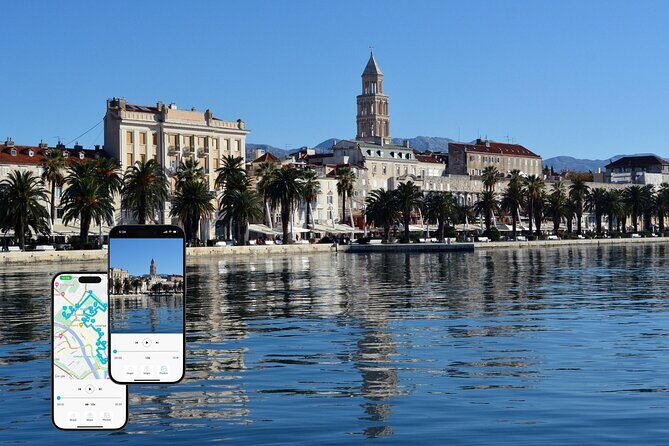
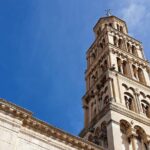
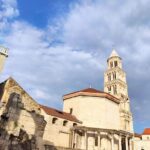
The first major stop is Cathedral of Saint Domnius, and it’s a standout because it carries two identities in one building. You’re looking at a former Roman mausoleum that later became a Christian church. That transformation is the theme you’ll keep seeing throughout Split.
Expect a quick introduction and time to take it in visually. The architecture here helps you understand why locals treat this place as more than scenery—it’s a real historical hinge between eras. If you’ve ever wondered how ancient Roman structures survived and got reused, this is the kind of stop that answers that question without a long lecture.
Time on site is about 10 minutes, and admission is free. That works well because it keeps the tour moving while still giving you a moment to soak up what you’re standing in.
Dress code note: since this is a place of worship, you’ll need shoulders and knees covered. That rule applies to both men and women, and you’ll want to plan outfits accordingly. Shorts and sleeveless tops are a risk for refused entry.
Stop 2: Temple of Jupiter and the magic of Roman fragments
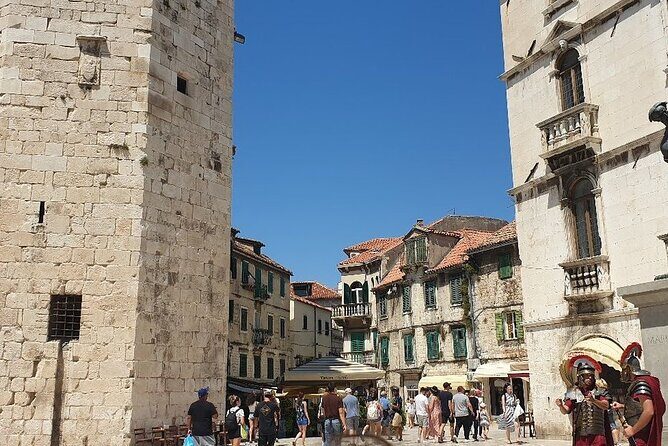
Next comes the Temple of Jupiter, another free admission stop. Even though it’s not a grand, fully rebuilt temple in the way you might expect, it’s powerful because you can sense the scale and intent of Roman design from what remains.
What I like about this stop is how it teaches you to look. Instead of treating ruins like decoration, the guide points out how Roman heritage shapes the feel of the city. In a short walking tour, this kind of targeted focus is what turns a quick photo stop into real understanding.
You’ll have about 15 minutes here. That’s enough time to connect the dots—why this space matters, how Roman building traditions show up in everyday city life, and what to notice as you move on.
Again, dress code can matter depending on the specific requirements for the sites you enter. When in doubt, cover shoulders and knees so you don’t waste time finding out the hard way.
You can also read our reviews of more city tours in Split





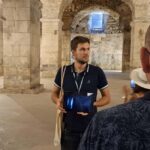
Stop 3: Diocletian’s Palace Peristyle, the center of the palace world
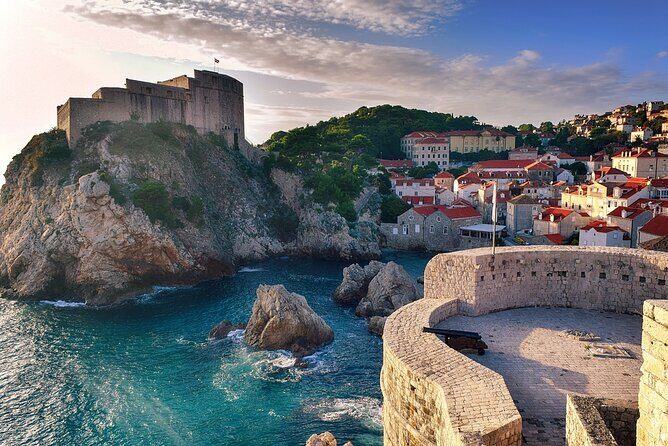
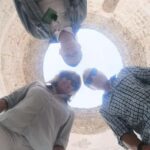
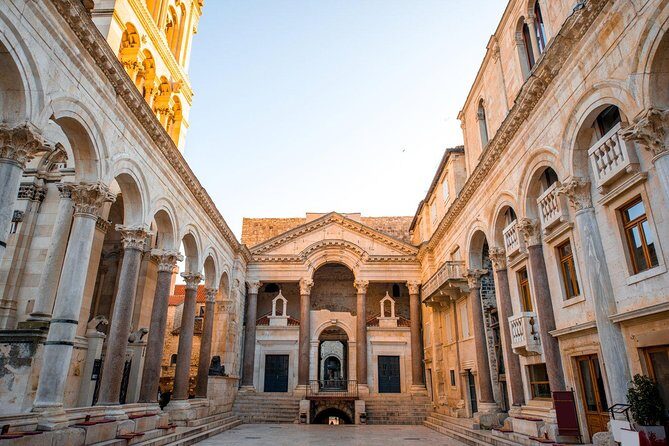
The heart of the tour is the Peristyle of Diocletian’s Palace. This is where the story tightens: you’re moving from individual Roman-Christian highlights into the larger idea of Diocletian’s Palace as a political and architectural center.
The Peristyle is the palace’s key space, and the stop is listed at 15 minutes with free admission. It’s also described as part of Diocletian’s quarters, so you’re not just looking at an open area—you’re getting context for what the palace was meant to be.
This is where a good guide makes a difference. In my experience with Ana (a guide named in the strongest feedback), her energy was contagious—she brought the palace layout into focus and made the history feel tied to the physical spaces. She also didn’t drag the pace. Instead, she kept the flow moving so the wow moments landed without turning into a slow shuffle.
If you’re the type who likes photos but also wants the “why,” this stop is the one to prioritize. It’s the best payoff on the route.
Trg Braće Radić and the Benedictine monastery remains on the walk
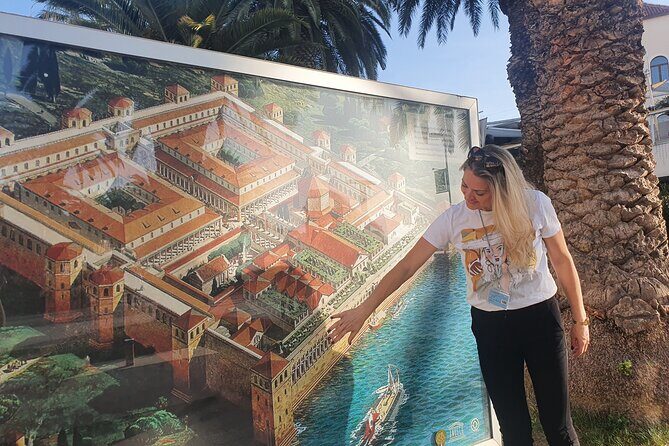
Beyond the three big stops, the tour includes additional landmarks that help you understand Split as a lived-in city, not just a museum. Two highlights listed are Trg Braće Radić and Benedictine monastery remains.
These stops matter because they broaden the story. You start at the Cathedral, shift through Roman layers at the Temple of Jupiter, then land at the palace center. But the city’s atmosphere comes through in the way the walk connects those monuments to the surrounding streets.
Trg Braće Radić gives you a sense of the city’s public space—how people move, gather, and keep the center alive. The Benedictine monastery remains, meanwhile, reinforce the religious and institutional layers that shaped daily life over time.
You won’t spend long in any one place, which is a good thing for a 2-hour format. You’ll get enough to notice and remember, not enough to feel stuck.
Morning vs evening: choose the time that fits your pace
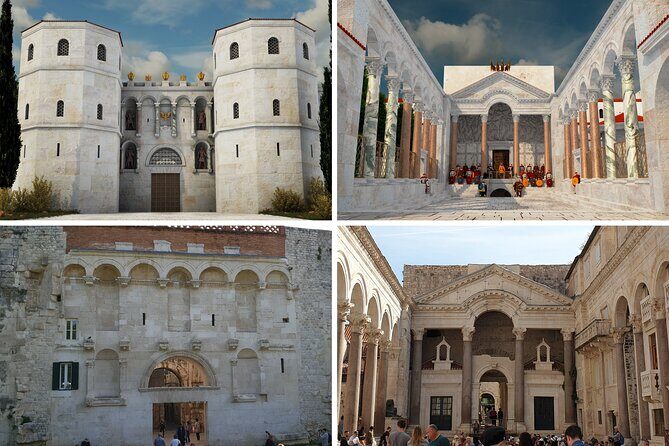
The tour offers either a morning or evening excursion. That’s not just a scheduling detail. Lighting and crowd patterns change by time, and in Split’s compact historic center that can affect how comfortable the walk feels.
If you prefer easier photo timing and cooler walking temperatures, choose morning. If you like seeing the area with a softer, more relaxed vibe, pick the evening option. Either way, the route is short and focused, so you won’t feel like you lost half your day to walking.
What the guide style is like in a small-group setting
A big part of the value here is the local guide. The tour keeps it to a maximum of 15 travelers, which helps the guide give attention where it counts: pointing out what to see, explaining what you’re looking at, and adjusting the pace.
The best feedback also mentions how some tours can end up feeling almost private. Because the group size is capped, if fewer people book your date, you may get that close-up experience where questions feel natural and the guide can slow down when something sparks interest.
Also note the pacing detail: you’re not wandering for ages in one area. The structure is built for momentum, and that’s especially helpful if you’re pairing this walk with a longer day of exploring Split.
Practical tips so you don’t get tripped up
Before you go, plan around three things: clothing, footwear, and where you’re headed next.
Dress code: this tour includes places of worship and select museums with strict requirements. That means no shorts or sleeveless tops, and both knees and shoulders need to be covered. If you show up not dressed right, you risk refused entry—so it’s worth being proactive.
Footwear: this is a city-center walk with historic surfaces. Wear shoes that handle cobblestones and uneven ground.
After the tour: since the tour ends at Diocletian’s Palace, plan to keep wandering nearby. You’ll already have the context from the guided part, which makes your self-guided time more satisfying.
Who should book this Split walking tour
This works best if you want a focused introduction to Split’s center without spending hours. It’s ideal for:
- First-timers who want a route that links Roman and Christian layers
- People who like short guided time followed by free exploration
- Anyone who appreciates a clear pace, not a slow, repetitive tour style
- Small groups or couples who prefer more personal attention
It may be less ideal if you hate dress rules or you’re showing up with limited outfit options. The rest is pretty flexible: most people can participate, and it’s offered in English with service animals allowed.
Should you book this Split city walking tour?
I think you should book if your goal is to understand what you’re seeing in the center of Split, not just check boxes. The route is short, the pacing is practical, and the biggest stops come with free admission, which adds real value.
I’d skip it only if you’re not willing to follow the dress code for places of worship. If you can cover shoulders and knees, though, this is a solid way to get your bearings fast and enjoy Split with more meaning under your feet.
FAQ
What’s included in the Split City Walking Tour?
The tour includes a local guide. Admission tickets for the listed main stops are free.
How long is the tour?
The duration is about 2 hours.
Where does the tour start and end?
It starts at Ul. kralja Tomislava 15, 21000 Split, Croatia and ends at Diocletian’s Palace (21000, Grad, Split).
Is the tour offered in English?
Yes, it is offered in English.
Do I need to buy tickets for the main stops?
No. The stop entries listed for the Cathedral of Saint Domnius, Temple of Jupiter, and the Peristyle of Diocletian’s Palace are free.
What should I wear for this tour?
Smart casual is recommended, but places of worship and select museums require knees and shoulders to be covered. Shorts and sleeveless tops are not allowed, and you may be refused entry.
What’s the group size?
The tour has a maximum of 15 travelers.
Is free cancellation available?
Yes. You can cancel up to 24 hours in advance for a full refund.