REVIEW · FOOD & DRINK
Split: Food Tasting Walking Tour
Book on GetYourGuide →Operated by www.splitwalkingtour.com · Bookable on GetYourGuide
Food in Split starts in Roman stone. This guided food and history walk threads snacks through the Diocletian’s Palace and medieval streets, so you taste your way around 2,000 years of city life. You’ll hit the Green Market, the fish market, a Guinness-record chocolate stop, and end with local sweets and recommendations that actually help.
Two things I really like: you get a well-paced mix of markets plus classic Dalmatian dishes, and you learn how locals eat them, not just what you’re chewing. One consideration: the tour isn’t wheelchair accessible, so if mobility is an issue, you’ll want to look for an alternative format.
In This Review
- Key Points You Should Know Before You Go
- Why This Split Food Walk Beats a Standard Wandering Day
- Golden Gate Meeting Point (and How to Find Your Guide Fast)
- First Bites at a Local Café: Quick Fuel Before the Markets
- Old Market and the Green Market: Where Split’s Snacks Start
- Soparnik Stop: UNESCO-Listed Flavor With a Local Wine
- Prosciutto and Street History in the Medieval Core
- Chocolate Store With the Guinness-Size Bar
- Rafiol Cake at the Old Bakery: Your Real Sweet Finish
- Peškarija Fish Market: Anchovies, Benches, and Marenda Brunch
- Final Tastings at a Local Bar and Restaurant
- How Much Food Is Enough (and How to Pace Yourself)
- Guides in English: Why Personality Changes the Whole Experience
- Price and Value: What $51 Buys in Two Hours
- When to Book and How to Pair It With the Rest of Split
- Who This Tour Fits Best (and Who Should Skip It)
- Should You Book This Split Food Tasting Walking Tour?
- FAQ
- How long is the Split food tasting walking tour?
- Where do you meet the guide?
- What food stops are included?
- Is there a guide, and what language is it in?
- How much does it cost?
- Is it wheelchair accessible?
- Can children join, and what should I bring?
Key Points You Should Know Before You Go
- Green Market + Old Market stops: arancini and candied nuts are an easy intro to Dalmatian flavors
- UNESCO-listed dish on the route: you’ll taste soparnik with a local wine included in the plan
- Peškarija fish market basics: learn salted anchovies the marenda way (Dalmatian brunch style)
- Chocolate with a Guinness link: you’ll stop at a shop famous for the world’s largest chocolate bar
- Sweet finish at a traditional bakery: rafiol cake shows up near the end of your walk
- Multiple short tastings: several 15-minute bites keep things fun without turning into a full meal
Why This Split Food Walk Beats a Standard Wandering Day
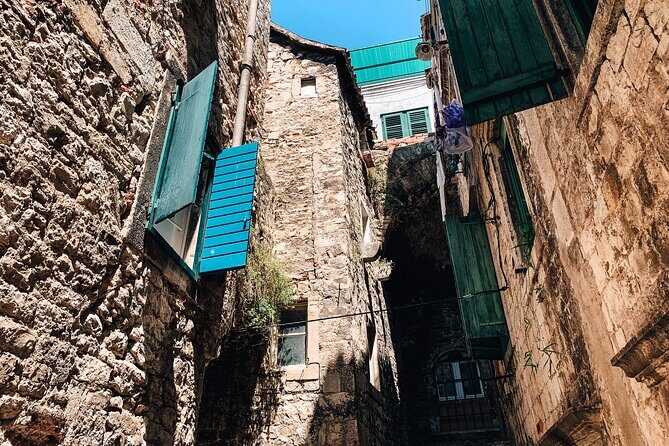
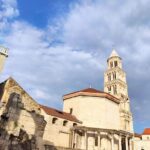
Split’s Diocletian’s Palace is already a reason to go—columns, stone corridors, and little street turns everywhere. The trick here is that the tour makes those sights useful by pairing each area with food you can’t easily figure out on your own.
I especially like that the guide connects the tastings to daily life. You’re not just collecting items; you’re learning what they mean in a Dalmatian kitchen—markets first, simple classics second, and sweet stops to finish. It feels like someone is showing you how locals actually shop and snack.
You can also read our reviews of more walking tours in Split
Golden Gate Meeting Point (and How to Find Your Guide Fast)
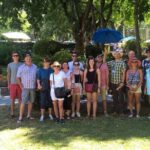
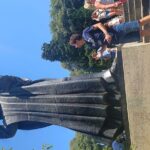
You meet at Golden/North Gate, near the statue of Gregory of Nin. Look for the blue umbrella, and plan to arrive a few minutes early so you’re not rushing in old stone streets.
This matters more than it sounds. Food tours in historic centers move at a steady pace, and a delayed start can cut into your tastings. If you’re used to flexible sightseeing, keep the first 10 minutes tight.
Bring comfortable shoes, and wear layers if the weather swings. Sunglasses and a sun hat are smart too, because you’ll be outside through markets and alleyways.
First Bites at a Local Café: Quick Fuel Before the Markets
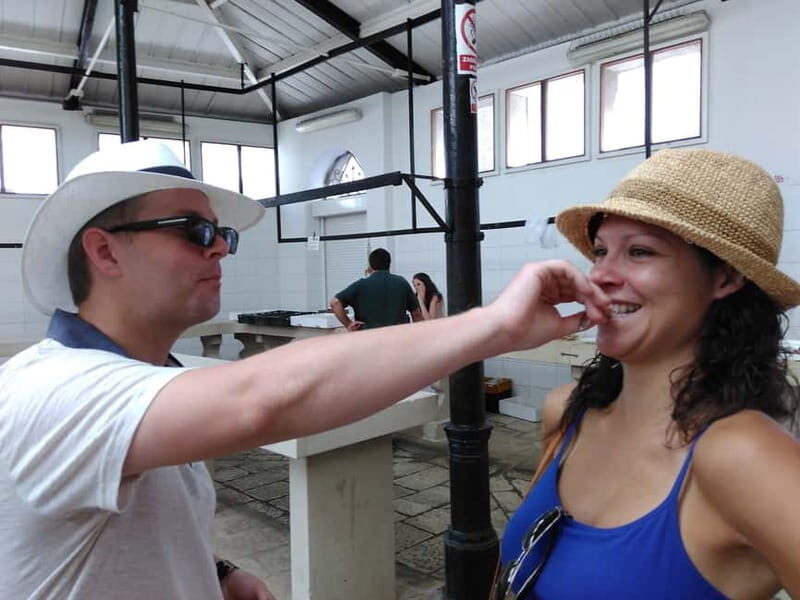
The tour kicks off with a short café stop (about 15 minutes). Expect your first tasting and a fast “what you’re about to eat” orientation. It’s a good way to settle your stomach before you head into the busier market zones.
This early pause also gives you a chance to ask questions. If you’re unsure what’s spicy, salty, or sweet in Dalmatian cooking, this is where you can calibrate without slowing the group later.
Old Market and the Green Market: Where Split’s Snacks Start
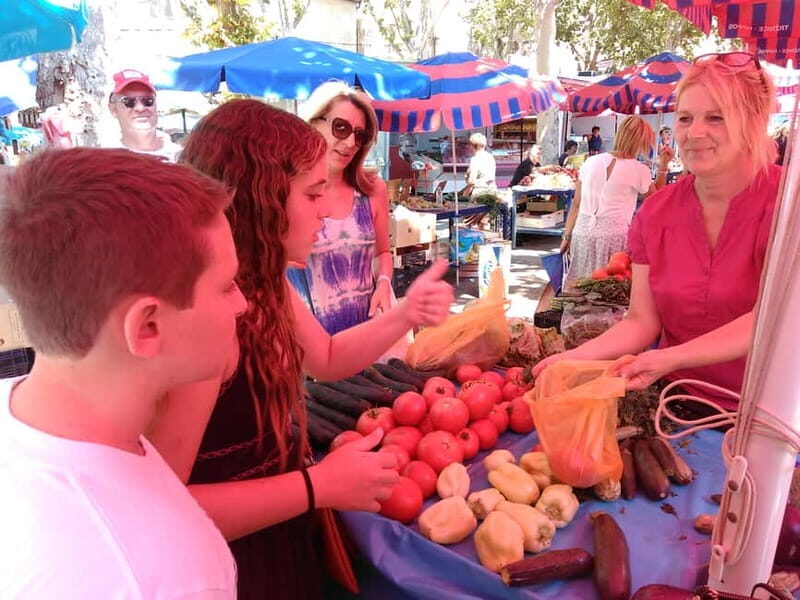
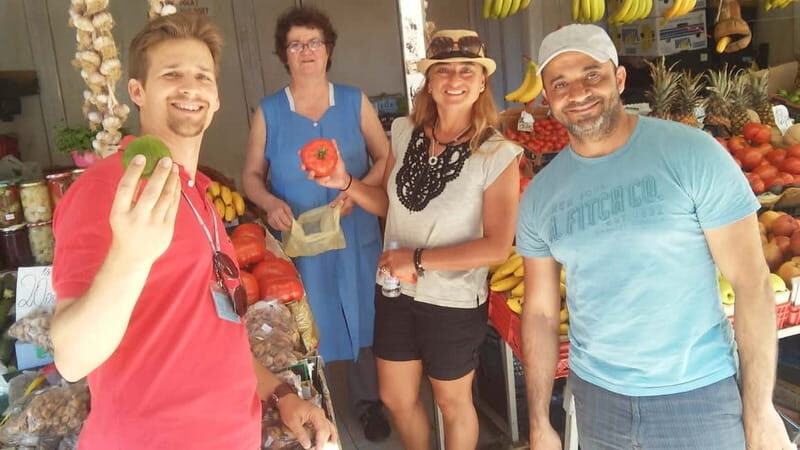
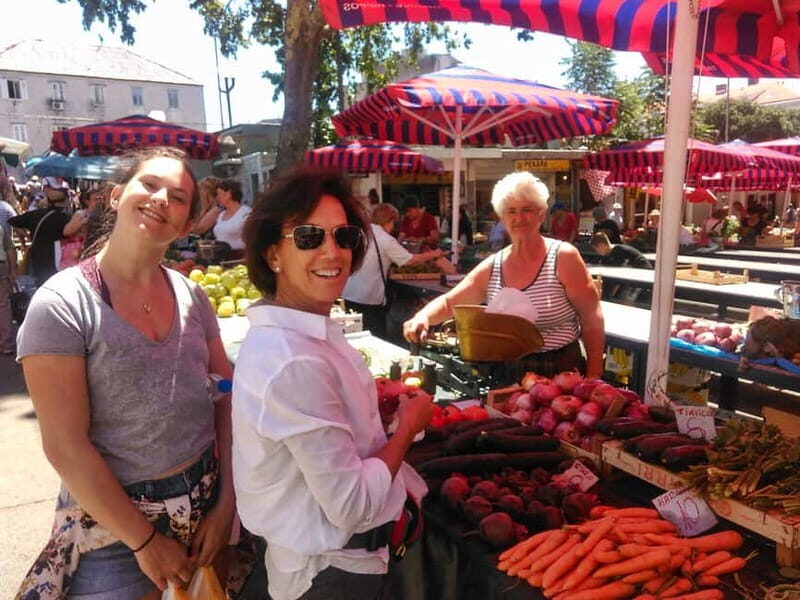
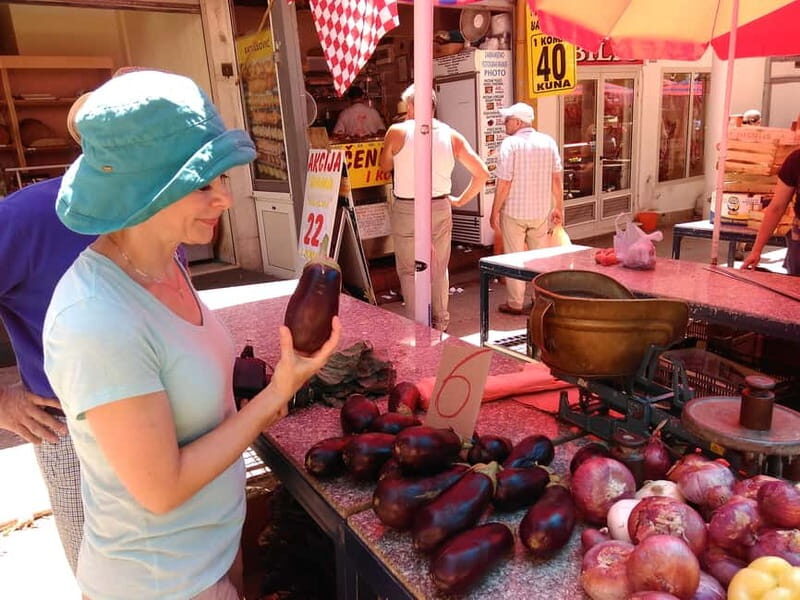
Next comes the market area (around 30 minutes), focused on the Green Market experience. This is where your tour earns its title as a food tasting walk, because this is local rhythm: small bites, lots of stands, and flavors you can sample without committing to a full purchase.
You’ll taste arancini and sugar-coated almonds here. The arancini give you a savory start, while the candied nuts are a classic “morning sweet” kind of snack. It’s also an easy place to learn what to look for, so you can keep eating after the tour ends.
A practical note: markets can be warm and crowded depending on the day. If you have a sensitive stomach, take it slow between stops—your guide’s pacing helps, but you’re still sampling in a real market environment.
Soparnik Stop: UNESCO-Listed Flavor With a Local Wine
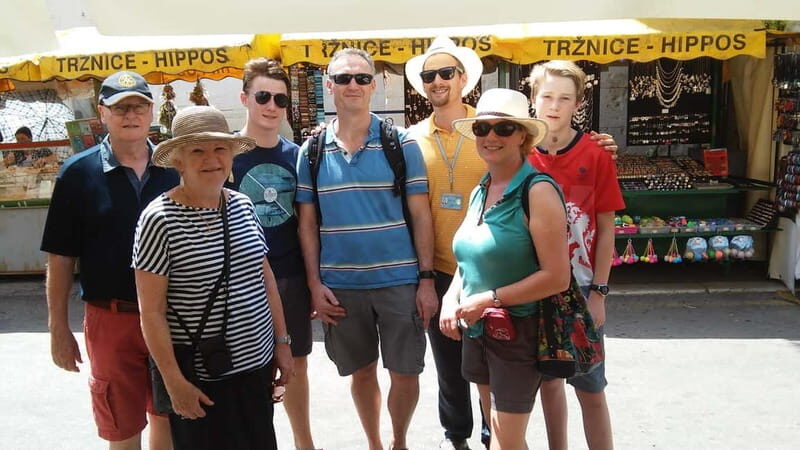
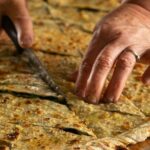
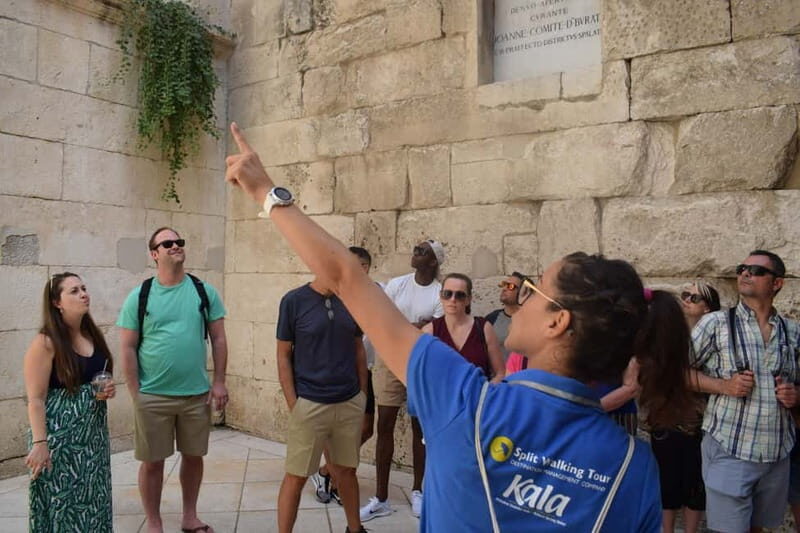
After the Green Market, you move into a “taste and story” portion of the walk. The plan includes soparnik with a glass of local wine. Soparnik is presented as a dish protected by UNESCO’s World Heritage framework, and the guide explains why it matters beyond the ingredient list.
What you should expect is a dish that feels both humble and special. Flatbread-style comfort food sits at the center of the experience, and the wine turns a snack into something you’ll remember. If you don’t drink alcohol, you might still find alternatives at some points, but the information here specifically calls out wine with this course.
One consideration: a small number of experiences have noted they didn’t get wine. If wine is important to you, ask your guide at the first stop what’s included on your departure.
You can also read our reviews of more food & drink experiences in Split


Prosciutto and Street History in the Medieval Core
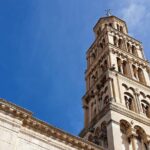
Between tastings, the walk threads through Diocletian’s Palace zones and medieval Split. This part is less about a single “big attraction” and more about learning how the city is laid out and why food traditions grew where they did.
You’ll sample traditionally made prosciutto as you stroll. That pairing is smart: prosciutto tastes better when you understand it as part of everyday trading and preserving. Croatia’s coast has long seasons, and the food reflects how people store, share, and celebrate.
This is also where you’ll get practical context for your own exploring. Once you see the street logic and market geography, you’ll spend less time guessing and more time choosing what you actually want to eat.
Chocolate Store With the Guinness-Size Bar
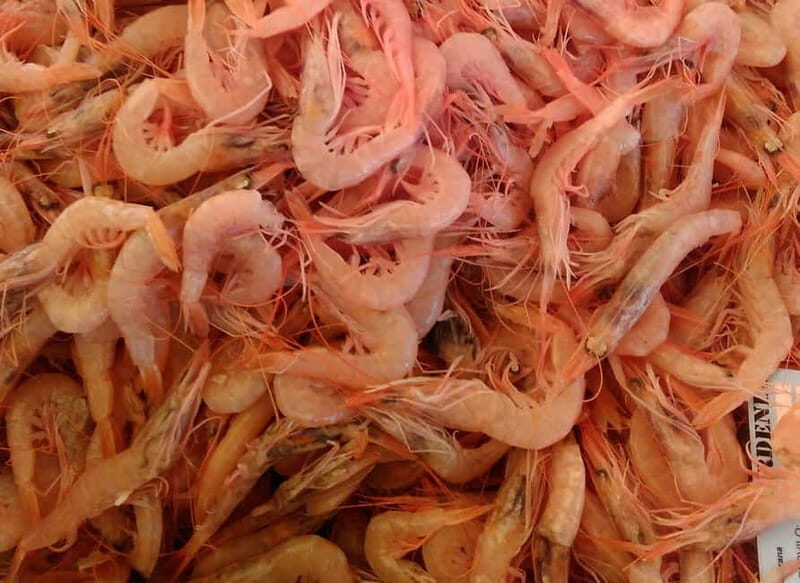
Next up is a chocolate shop visit and tasting. The shop is noted for a Guinness record tied to the largest chocolate bar in the world. Even if you don’t care about record stats, it’s a fun stop because it changes the pace of the walk.
The tasting here is “sweet for sweet,” and it’s timed so you’re not overwhelmed. It also gives you a break from savory food and a chance to reset your palate before the bakery stop.
If you’re traveling with chocoholics, you’ll be glad this is on the route. It’s the kind of stop you wouldn’t casually find unless you had a plan.
Rafiol Cake at the Old Bakery: Your Real Sweet Finish
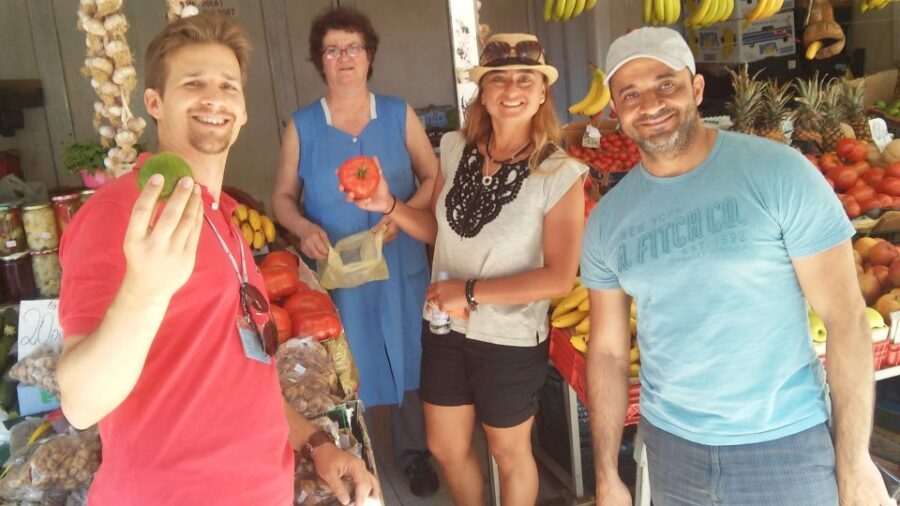
The tour then heads toward an older bakery to try rafiol cake, described as the famous ending sweet in this part of Split. This is where the experience leans into the local pastry culture that sits behind many Mediterranean food myths: “simple” ingredients, but precise technique.
You’ll also hear local stories about why this cake belongs in this city. That kind of context doesn’t change the flavor—but it makes you taste more carefully.
For your timing: rafiol cake is a strong “wrap-up” bite. If you think you’ll want dessert after the tour, plan something lighter or plan to share.
Peškarija Fish Market: Anchovies, Benches, and Marenda Brunch
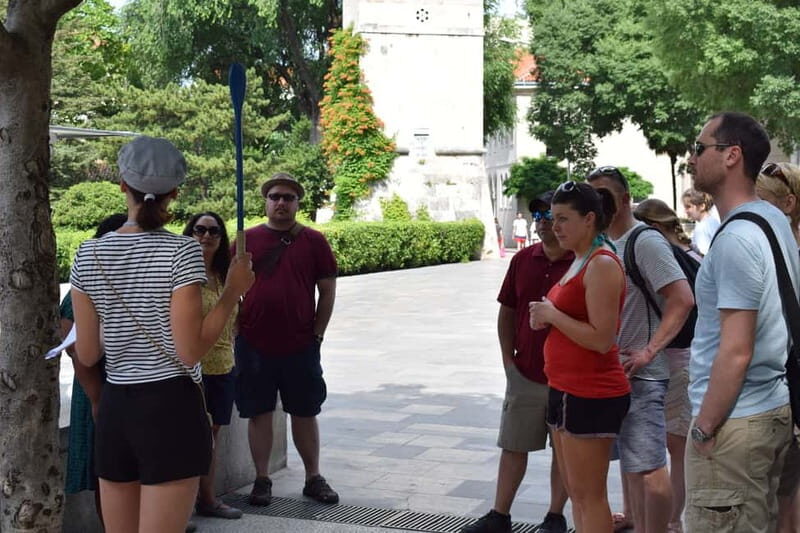
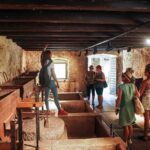
The most educational stop is the fish market: Peškarija. It’s described as the second oldest in Europe, and it’s known for original benches more than 120 years old. That’s a rare mix of food and “this place has been used for decades” realism.
Here’s what you’ll learn: how to eat salted anchovies in a traditional way. The guide frames it as marenda, which is Dalmatian brunch style. This is the kind of knowledge that makes future meals easier. Instead of ordering blindly, you’ll know what “local” means in practice.
A good sign to watch for: fish markets can smell strong. If you’re sensitive, step slowly at the entrance and take breaks as the guide moves you. The tasting approach keeps it manageable rather than turning into a long exposure.
Final Tastings at a Local Bar and Restaurant
After the fish market, the tour includes two more tasting stops: a local bar and then a local restaurant. Each is about 15 minutes, which keeps the pace lively while still giving you enough time to try what matters.
This portion is where you can understand how market foods turn into meals. You’re not only tasting ingredients; you’re learning how they’re assembled, seasoned, and served in different settings—bar snack style versus restaurant plating.
It’s also where the guide often shines with recommendations. In this kind of tour, the best souvenir isn’t a photo; it’s a short list of where to go next, and what to order there.
How Much Food Is Enough (and How to Pace Yourself)
This is a tasting tour, not a full sit-down meal tour. You’ll have multiple stops—café, market areas, bakery, fish market, and two more tastings. Most tastings are short, so you get variety without feeling stuffed before you finish walking.
Still, it’s smart to plan the rest of your day. If you’re doing this early, you’ll want a real lunch or dinner afterward. If you’re doing it late, scale down your expectations and save room for a lighter meal.
Tip for your own comfort: eat slowly at each stop. The tour is built around short tastings, but going fast makes it harder to enjoy. Plus, your taste buds work better when you give them a minute between sweet and savory.
Guides in English: Why Personality Changes the Whole Experience
This is an English-language tour with a live guide. And the guide really matters here because the whole structure is stories plus tastings.
Several guides have been highlighted by name in experiences connected to this tour format—Slavko, Marta, Jakov, Antonia, and Ina. The common thread is clear: they’re friendly, funny, and proud of Split. That energy isn’t just entertainment; it helps you understand what you’re tasting and why it belongs where it does.
If you’re the type who likes asking questions, this tour is a good match. The setting invites conversation, especially at the market stands where food is the main language.
Price and Value: What $51 Buys in Two Hours
At $51 per person for about 2 hours, the value comes from three places.
First, you’re paying for time and guidance through multiple food zones. Markets are easier with a local route and context, especially in a maze-like historic area.
Second, you’re paying for tastings across sweet and savory. You’ll sample items that represent different parts of Dalmatian food culture: market bites, a UNESCO-listed dish experience, prosciutto, fish-market anchovy practice, and dessert.
Third, you get traditional recipes included. That turns the tour from a one-day thing into something you can reference when you’re back home and want to recreate flavors you liked.
If you’re on a budget, this is still a smart choice because it prevents the classic “I spent all day eating mediocre guess-food” problem. You get a guided path to better choices with less trial-and-error.
When to Book and How to Pair It With the Rest of Split
I’d book this early in your trip if you can. Not because you need to rush sights, but because the recommendations help you plan later meals better. Once you know the neighborhoods and what to look for, you’ll get more out of independent time.
After the tour, go back to the places you liked most—but in your own rhythm. Markets are great, but you don’t want to buy everything on day one. Use the tour as your map, then return for your favorite items.
If you’re planning Roman Palace sightseeing too, this tour does that kind of groundwork. You’ll learn where you are walking and why those stones matter, without forcing you into a textbook.
Who This Tour Fits Best (and Who Should Skip It)
This works well for:
- Food-focused travelers who want context, not just a list of bites
- First-timers in Split who want a fast introduction to Diocletian’s Palace and medieval streets
- People who enjoy markets and want to learn how locals snack and eat brunch-style dishes like marenda
It may not fit if:
- You use a wheelchair or need full accessibility support, since the tour is not wheelchair accessible
- You’re traveling with unaccompanied minors, since the tour restricts unaccompanied minors
Should You Book This Split Food Tasting Walking Tour?
Yes, if you want a tight, well-organized taste of Dalmatian food with city context that makes the historic streets click. The strongest part is the combo of markets plus classic local dishes, topped off with dessert and practical guidance on what to eat next.
If you’re sensitive to fish-market smells or you dislike alcohol, adjust your expectations early and ask your guide how tastings are handled on your specific departure. With that small prep, this is a fun way to turn a couple hours in Split into a bigger food-memory—and a better eating plan for the rest of your stay.
FAQ
How long is the Split food tasting walking tour?
The tour lasts about 2 hours.
Where do you meet the guide?
You meet at the Golden/North Gate near the statue of Gregory of Nin. Look for the blue umbrella.
What food stops are included?
The tour includes tastings at a local café, the Green Market/Old Market area, a local bakery, the Split Fishmarket (Peškarija), a local bar, and a local restaurant. It also includes a chocolate shop stop and tastings such as prosciutto, soparnik, and rafiol cake.
Is there a guide, and what language is it in?
Yes, you’ll have a live tour guide. The tour is in English.
How much does it cost?
The price is listed as $51 per person.
Is it wheelchair accessible?
No, the tour is not accessible for wheelchair users.
Can children join, and what should I bring?
Children must be accompanied by an adult, and unaccompanied minors are not allowed. Bring comfortable shoes, sunglasses, and a sun hat.