REVIEW · WALKING TOURS
Split: Cultural Walking Tour with Anthropologist Guide
Book on GetYourGuide →Operated by Context Culture · Bookable on GetYourGuide
Split looks simple. The story is not. This 2-hour Split controversies walking tour uses a cultural anthropologist guide to connect monuments with today’s Croatian debates. I like that it’s not afraid of hard topics, but it may feel heavy if you came for only sunshine-and-sightseeing.
What I love most is the “get your bearings fast” mix: you still cover Split’s centre landmarks—so you leave knowing where things are. I also like that you get extra audio-visual material for the topics, not just a lecture while you walk. One thing to consider: it’s built for people who want context, not a quick photo-stop shuffle.
In This Review
- Key Points Before You Go
- A Walking Tour Where Split’s Monuments Come With Argument
- Price and Time: Why $33 Can Feel Like a Bargain
- Getting the Most Out of an Anthropologist Guide (Marin)
- Park Start, Golden Gate, and Peristil: How the Route Sets the Tone
- Diocletian’s Cellars and People’s Square: Split’s Layers Up Close
- Riva Promenade, Republic Square, and the Trumbićeva obala Finish
- The Controversies Theme: What You’ll Actually Take Away
- Who This Tour Fits Best (and Who Might Want Another Option)
- Should You Book This Anthropologist-Led Split Walking Tour?
- FAQ
- How long is the Split cultural walking tour?
- What language is the live guide?
- Where do I meet the guide?
- Which sites does the tour cover?
- What’s included in the ticket price?
- Are there any extra costs during the tour?
- Can I book without paying right away, and is cancellation free?
Key Points Before You Go
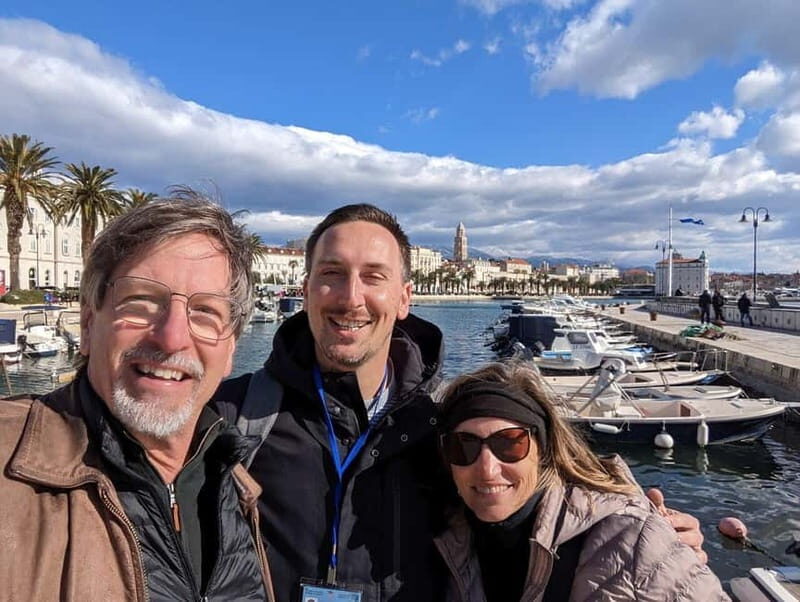
- Anthropologist-led approach: Marin turns public space into a conversation about identity and power.
- Contested history, no soft focus: history and modern taboos are treated as central, not background.
- Main sights included: Golden Gate, Peristil, Diocletian’s Cellars, and more make it beginner-friendly.
- Audio-visual support: you’ll get additional materials for each topic covered.
- Good fit for thoughtful travelers: not overly technical, and geared to people who enjoy ideas.
A Walking Tour Where Split’s Monuments Come With Argument
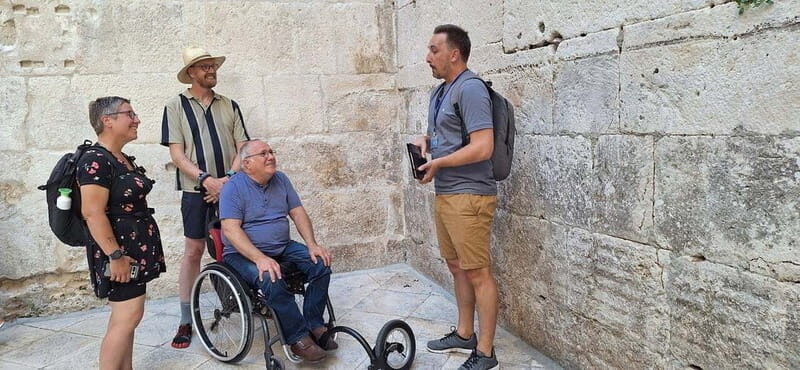
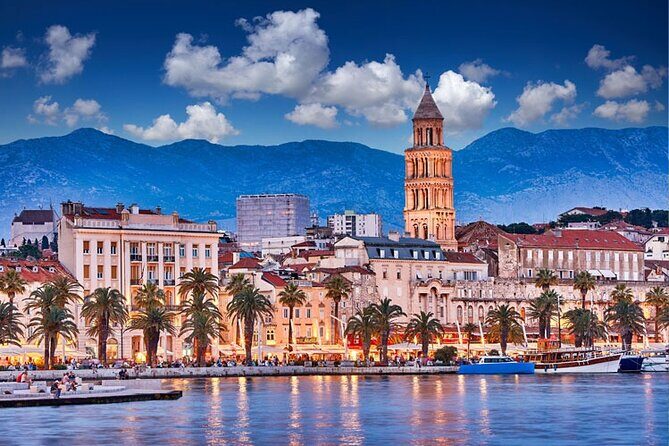
Split has two faces. One face is the postcard: stone, sea views, and those big old walls that make you feel like history is everywhere. The other face is messier. This tour is built for that second face—the part where history isn’t settled, where identity is negotiated, and where public life in Croatia has roots that still create friction today.
The core idea is simple: you’re not just touring buildings. You’re learning how people explain themselves, how they disagree, and how the past shows up in the present. The tour’s original title says it plainly: the focus is on controversies behind Split and Croatia, with a “no gloves on” approach to taboos, sensitive narratives, and what’s contested in everyday life.
And the best part? It doesn’t abandon the classics. You still walk the centre and hit major sites. That means you can do this even if it’s your first day in town, and even if you normally choose “light” tours. You’ll still get the architecture, the layout, and the big-name stops. You’ll just understand them differently afterward.
The only caution I’d give is this: if you want a quiet walk with neutral facts only, this isn’t that. The tour is designed to connect politics, geopolitics, religion, identity, demographics, sexuality, history, and economics into one storyline. If you’re tired from museums and prefer pure relaxation, you might want an easier route instead.
You can also read our reviews of more walking tours in Split

Price and Time: Why $33 Can Feel Like a Bargain
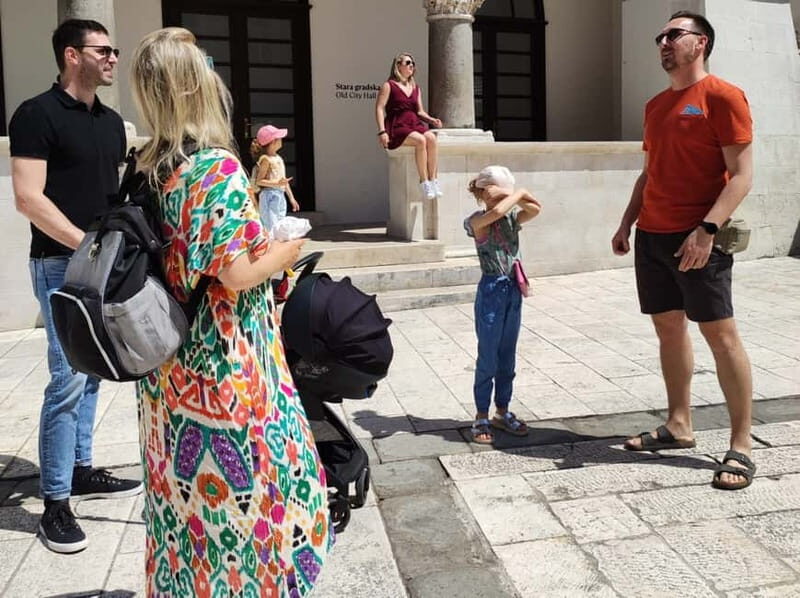
At $33 per person for a 2-hour walking tour, this is priced in the “serious but not pricey” zone. The value isn’t just the live guide—it’s the fact that the guide’s method relies on more than commentary. You get additional audio-visual material tied to the topics, so the time doesn’t depend only on memory and spoken explanation.
Two hours is also a practical length for Split. It’s short enough to pair with a beach break or a seafood dinner later, but long enough to build context rather than just point at sights. The itinerary moves through the centre in a way that feels efficient: guided stops are typically 10 to 15 minutes, and you still get moving time between them.
Also, there are no extra costs listed. That matters because some tours start adding “optional” upsells once you’re already committed. Here, the price you see is the price you pay.
One more value point: because the focus is on contested history and contemporary taboos, you’re paying for interpretation. You’re not buying access to a private space or a special ticket. You’re buying a clearer understanding of how Croatia’s stories are argued in public. For travelers who like context, that’s often a better deal than paying for the same monuments you could see on your own.
Getting the Most Out of an Anthropologist Guide (Marin)
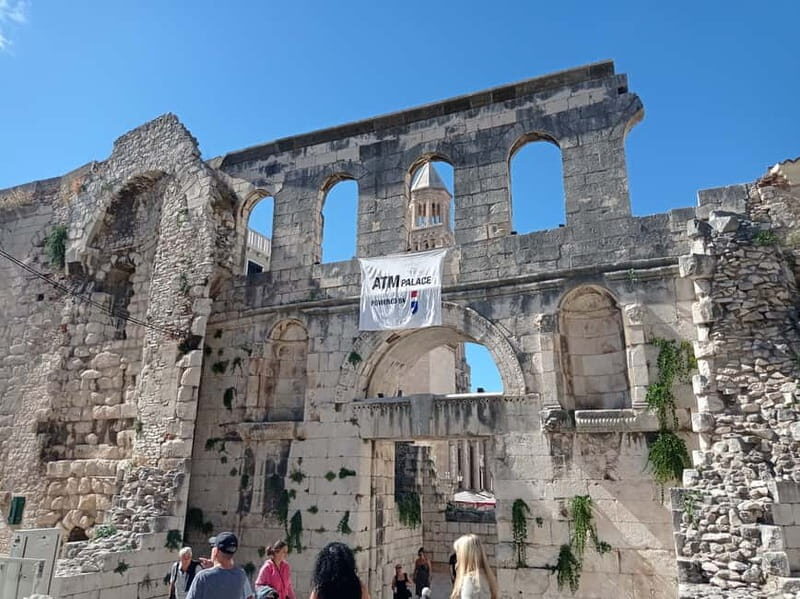
This tour is led by a cultural anthropologist, and the guide’s name is Marin. That matters because the tour style isn’t “memorize facts.” It’s more like: look at what’s in front of you, then use it to ask better questions about how society works.
From what I’ve gathered about how this is run, Marin doesn’t dodge controversy. The topics are treated as essential, not as something to tiptoe around. And instead of turning the walk into a textbook lesson, the storytelling connects past and present in a way that keeps moving. It also involves the group—so you’re not stuck silently following directions while the guide lectures nonstop.
Another practical upside: the tour isn’t described as technical. It’s designed to be understandable for a broad range of people, and it’s also said to be suitable for anyone over 15. That’s helpful if you’re traveling with teens who actually enjoy real discussions and not just trivia.
Finally, there’s a human comfort factor. The tour is structured to handle real-world weather and accessibility needs. It’s listed as wheelchair accessible, and there’s evidence the guide makes adjustments so guests who need interpretation can still enjoy it. If that’s part of your planning, it’s a reassuring sign that the experience isn’t rigid.
Park Start, Golden Gate, and Peristil: How the Route Sets the Tone
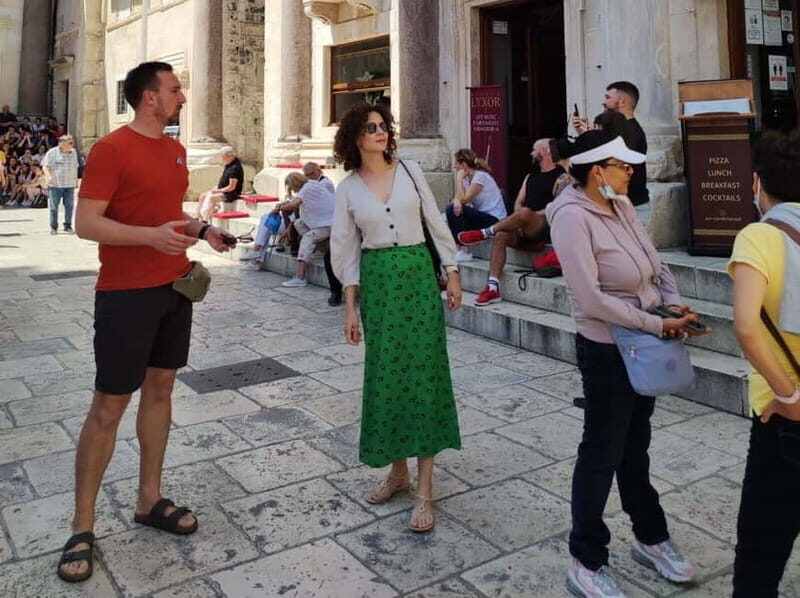
The tour starts at Ul. kralja Tomislava 12, in a big park area (Park Josipa Jurja Strossmayera). You meet next to the fountain in the middle of the park. This is a smart way to begin: you start outside the busiest crush of the centre, then step into the historic core with less stress.
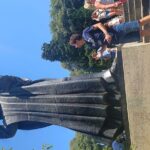
From there, the first major stop is the Golden Gate. Expect about a 15-minute guided focus here. This is one of those sites where architecture is instantly readable as power—who controlled access, who belonged inside, who didn’t. The tour uses places like this to talk about the kinds of narratives that get built around identity and history. Even if you’ve walked through historic entrances before, this tour frames the question differently: not only what the structure is, but what people do with stories about structures.
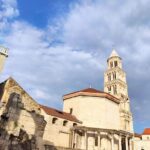
Then you move to Peristil for another guided 15-minute stop. Peristil is a key public space in Split’s centre, and that’s why it works so well for the tour’s approach. Here, the guide can connect the feel of a shared space with the idea that societies argue about who gets to define the shared story. You’re also getting a sense of scale and layout—exactly what you want on day one.
One drawback to keep in mind: because the stops are focused and relatively timed, you’ll get depth but not everything. If you’re the type who wants to linger and read every stone like a detective, you may feel a bit “on the move.” The trade-off is that you get a guided storyline instead of a set of independent sightseeing moments.
Diocletian’s Cellars and People’s Square: Split’s Layers Up Close

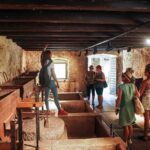
Next comes Diocletian’s Cellars, with about 10 minutes of guided attention. This is a great choice for an ideas-heavy tour because cellars and underground spaces naturally push you toward the theme of hidden histories and stored meaning. You can also see why the anthropologist style fits here. Instead of treating the space as a simple attraction, the guide uses it as a prompt for how societies interpret what’s beneath the surface—sometimes literally, often politically.
After that, you head to People’s Square for around 15 minutes. Squares are social stages. They’re where public identity gets practiced—who shows up, what gets displayed, what gets argued. In this tour, that’s the point. The route uses these key nodes to link history and contemporary life. You’re not only seeing famous places; you’re learning how modern Croatia’s debates connect to older patterns of belonging, memory, and power.
Then you pass through Židovski prolaz for about 10 minutes. This stop is narrower and more intimate than the big plazas, which makes it a nice contrast. In a tour about contested identity, side streets and passageways can be powerful because they remind you that cities have different textures for different stories. Even if you don’t know the background in advance, the guide’s audio-visual topic support helps you keep up with the thread.
At Fruit Square you get about 15 minutes of guided explanation. A place associated with everyday life is often where the big ideas show up in the most concrete way. This is where the tour’s “rounded storytelling” approach really earns its keep—because it’s easier to understand how history shapes modern attitudes when you’re standing somewhere that feels lived-in.
If you’re someone who loves context but worries about getting stuck in politics talk, this section is where you’ll feel the balance. You’re still walking a normal route through the centre, so the conversation doesn’t float away from the city itself.
You can also read our reviews of more guided tours in Split




Riva Promenade, Republic Square, and the Trumbićeva obala Finish
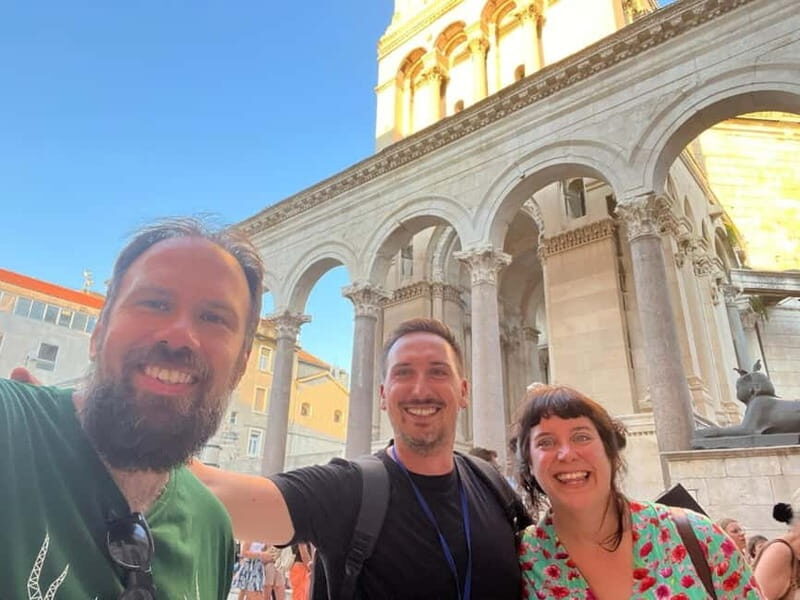
After Fruit Square, the tour moves to Riva, Split, where you pass by for about 5 minutes. That shorter stop matters because it gives you a breath of open air and a change of pace. Riva is the kind of waterfront space where you can sense how a city performs for both locals and visitors. In a tour about socio-political movements, it’s also a reminder that identity isn’t only debated in official buildings. It’s visible in how public spaces are used.
Then you reach Republic Square for roughly 15 minutes of guided time. This is another anchor point. When a tour is dealing with geopolitics and identity, a major square is the right place to talk about what gets projected outward and what gets contested internally. You’ll feel how the guide ties the storyline together—connecting architecture and location with the larger narrative of how Croatia’s society forms opinions and organizes collective life.
The experience finishes at Trumbićeva obala. The tour listing also notes the activity ends back at the meeting point. In practice, that usually means you’re not taken far away into the outskirts—you’re wrapping up near the central area you already explored. Either way, you’ll have built the kind of mental map that makes the rest of your time in Split easier.
One small planning tip: because the route covers multiple centre sites with guided stop times, wear comfortable shoes. This is a walking tour where you’ll likely spend more time paying attention to details and directions than you would on a sightseeing circuit.
The Controversies Theme: What You’ll Actually Take Away
This is the heart of the experience. The tour is designed for travelers who want more than a “then and now” slideshow. It aims to answer the question: why do certain topics still trigger emotion, debate, and identity claims?
The tour description says it explicitly: it focuses on historical and contemporary taboos. It connects narratives about politics and geopolitics, religion, identity, demographics, sexuality, history, and economics. That’s a lot to pack into two hours, but the structure helps because the guide uses the physical city as your memory anchor. Instead of trying to remember dates, you remember places and the kind of questions they generate.
Here’s why that matters for your time in Split. When you visit sites like Golden Gate and Diocletian’s Cellars without context, you can still enjoy them. But you may miss how locals read those spaces. After this tour, you’re more likely to notice how public spaces carry political meanings, how identity shows up in language and symbols, and how the past keeps returning in modern arguments.
The audio-visual materials also play a role here. When topics get sensitive or complicated, visuals and structured references help you follow the thread without getting lost. It’s especially helpful if you’re the type who absorbs ideas better with more than one format.
And since it’s said to be well suited for Split beginners, you don’t have to arrive with background knowledge. The tour is structured to “connect past and present” so the city’s complexity becomes readable, not overwhelming.
Who This Tour Fits Best (and Who Might Want Another Option)

I think this tour is perfect if you’re one of these:
- You like history but you hate sanitized versions.
- You enjoy thinking about identity, politics, and how they show up in daily life.
- You want a first-day orientation that goes deeper than facts.
- You’re curious about the more difficult questions in Croatia’s public story.
It’s also good if you’re traveling with someone who gets bored by standard monument lectures. The anthropologist-led angle often feels more like smart conversation than a script.
But it might not be the best choice if:
- You want a purely relaxing walk with no sensitive topics.
- You’re pressed for time and prefer a short “see the sights” loop.
- You’re expecting a purely technical explanation of historical events.
Since the tour aims at contested issues and taboos, it’s not trying to calm your mind. It’s trying to sharpen your understanding.
Should You Book This Anthropologist-Led Split Walking Tour?
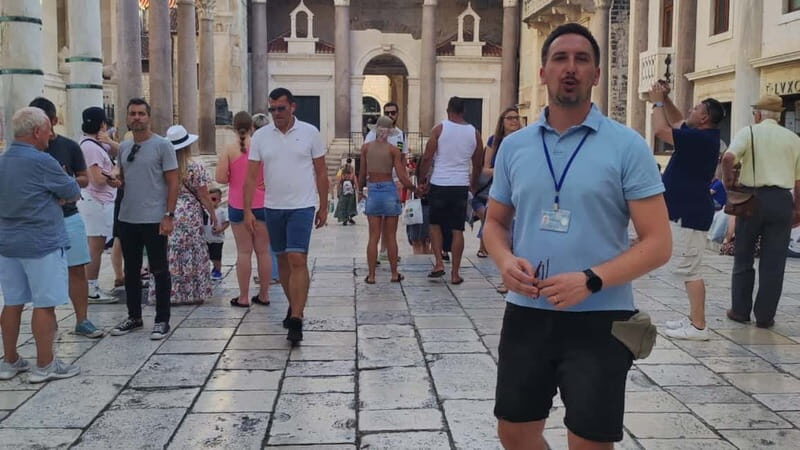
Book it if you want Split to make more sense beyond the obvious. Marin’s approach—anthropology + contested history + major centre sights—gives you two things in one package: a map of the city and a model for how people argue about the past in Croatia.
Skip it if your vacation style is “low heat, high comfort.” This tour isn’t trying to be neutral about sensitive topics. It’s trying to be useful.
If you’re unsure, ask yourself a quick question: Do you want your trip to feel like you learned how to read the city, not just how to walk it? If yes, this is a strong call.
FAQ
How long is the Split cultural walking tour?
It lasts 2 hours.
What language is the live guide?
The tour is conducted in English.
Where do I meet the guide?
You meet at Ul. kralja Tomislava 12, 21000 Split, next to the fountain located in the middle of the park (Park Josipa Jurja Strossmayera).
Which sites does the tour cover?
The tour includes Golden Gate, Peristil, Diocletian’s Cellars, People’s Square, Židovski prolaz, Fruit Square, Riva (passed by), and Republic Square, and it finishes at Trumbićeva obala.
What’s included in the ticket price?
The tour includes additional audio-visual material for each topic covered, along with a live English guide.
Are there any extra costs during the tour?
No extra costs are listed as included.
Can I book without paying right away, and is cancellation free?
Yes. You can reserve now & pay later. Free cancellation is available up to 24 hours in advance for a full refund.