REVIEW · TROGIR TOURS
Private Split and Trogir tour with LOCAL
Book on Viator →Operated by Discovery tours · Bookable on Viator
Roman streets, then a family table. This private Split-to-Trogir day mixes palace sights, a picnic at the Cetina River source, and a warm stop at a local home for hands-on cooking and tasting homemade wine and liquor. I like how the drive is done in an air-conditioned vehicle, so the day stays comfortable even when the Dalmatian sun is doing its thing. One possible drawback: it’s still a 6-hour day with walking on old-stone streets, so bring shoes you can trust.
I’m especially into the guide-led flow here. You start in the heart of Diocletian’s Palace, then move through a tight set of landmark stops, before the schedule turns practical and food-focused with the river and the family meal. If you want history on the ground, but you also want your day to end with something you can taste, this format fits.
Because it’s labeled small-group and private for your party, it tends to feel more relaxed than big-bus sightseeing. Still, it does require good weather, and the day’s highlight moments depend on getting out there on time.
In This Review
- Key things to know before you go
- A Roman-palace start, then a river picnic, then Trogir
- Split’s Peristyle: the palace courtyard that still feels important
- Diocletian’s Cellars: Roman building science, under your feet
- St. Domnius Cathedral: the layered building you can’t unsee
- “Split” time: how the tour balances landmarks with room to breathe
- Cetina River source: where the day slows down and tastes start
- The local home experience: cooking, wine, and a family table
- Trogir’s old town: UNESCO streets, Romanesque portals, and sea views
- Price and what you’re really paying for at $389.77 per person
- Who this tour fits best (and the one case to think twice)
- Should you book this private Split and Trogir tour with a LOCAL?
- FAQ
- How long is the Split and Trogir private tour?
- What time does the tour start in Split?
- Is pickup available?
- Is this tour private?
- Do you visit the Cetina River source and have a picnic?
- What happens at the local home?
- What if the weather is bad?
Key things to know before you go

- Air-conditioned transport for the longer stretches (you’re not stuck in a hot van).
- Split’s Diocletian Palace core is front-loaded so you start with the best Roman setting.
- Cetina River source time includes a picnic, not just a quick photo stop.
- A local home meal and wine tasting is built into the experience, not a side quest.
- Trogir’s UNESCO town is handled in a timed walk, so you see the major sights without racing.
A Roman-palace start, then a river picnic, then Trogir
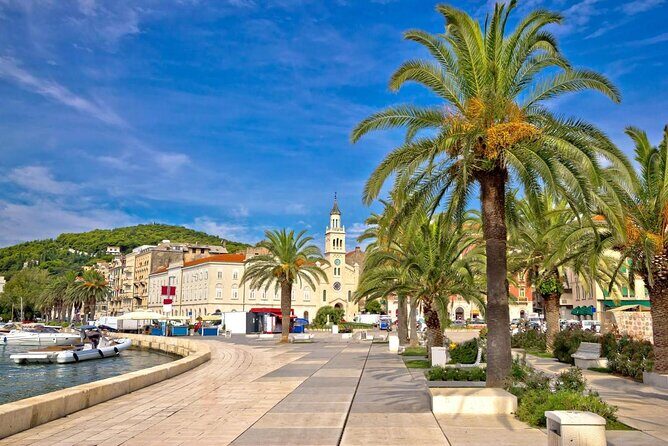
This tour works because it doesn’t treat Split and Trogir like museum boxes to check off. You begin where Split’s story started—Diocletian’s Palace—then you trade crowds and stone corridors for clean air and a picnic near the Cetina River source. The last act is Trogir’s UNESCO old town, where the streets narrow, the architecture changes, and the pace finally turns more wandering.
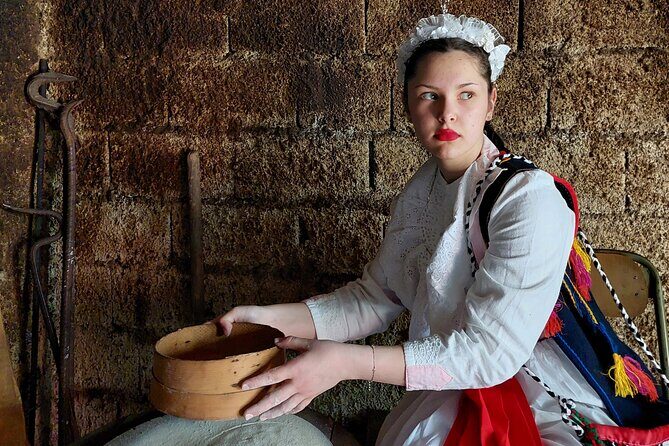
The “with LOCAL” angle is the real value hook. Instead of only seeing monuments, you also get time at a family home where you can learn a local dish and sample what’s being made at the table, plus homemade wine and liquor. That food-and-wine part is the moment most people remember because it’s personal and specific to the household you’re visiting.
You can also read our reviews of more private tours in Split


Split’s Peristyle: the palace courtyard that still feels important
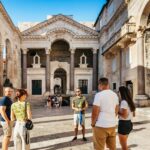
You start at the Peristyle of Diocletian’s Palace, the central square and main entrance area of the imperial residence from the 3rd century. Picture a grand setting: columns supporting the porch on three sides, and a monumental staircase on the side leading up toward the emperor’s mausoleum—now the Cathedral of St. Domnius.
What I like about starting here is that it gives you scale fast. When you understand how this palace was laid out, the rest of Split makes more sense. Even if you only spend about 15 minutes, you get the main orientation: where the emperor’s power was staged, and how the city grew around that structure.
Practical tip: this area is open and exposed, so if it’s hot, use the shade where you can and keep water handy.
Diocletian’s Cellars: Roman building science, under your feet
Next up are Diocletian Palace Substructures, often called Diocletian’s Cellars. These are a subterranean complex dating to the 4th century. The simple idea is this: the cellars were built to support and stabilize the palace above, helping the upper residential quarters stand firm.
This stop is short on the clock, but it’s satisfying for anyone who likes real engineering, not just big names. The cellars are also well preserved, and they’re used for exhibitions and cultural events—so you’re not just staring at stone, you’re seeing how the space lives today.
One note: because this is underground, it may feel cooler than outside. If you’re coming in sweaty from the courtyard, you may enjoy the temperature shift, but bring a light layer if you run cold.
St. Domnius Cathedral: the layered building you can’t unsee
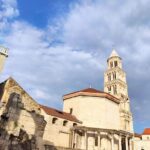
Then you head to the Cathedral of Saint Domnius (St. Duje), which began as Emperor Diocletian’s mausoleum in the early 4th century and later became a Christian cathedral in the 7th century. That timeline matters because you can see the architectural blend: Romanesque, Gothic, and Baroque influences mixed over centuries.
You also get the bell tower option for panoramic views of Split, plus an interior filled with things like intricate stone carvings, ancient sarcophagi, and a wooden choir from the 13th century. Even when your visit window is brief, this cathedral tends to leave an impression because it feels like a living timeline, not a frozen exhibit.
If you want photos: this is usually the best place to pause longer if your group moves slowly. If you’re the type who likes to read plaques and take in details, this stop is a good match.
“Split” time: how the tour balances landmarks with room to breathe
After the palace-specific stops, you get about an hour labeled for Split. That’s your buffer time, and it matters. You can use it to orient yourself in the old town, grab a drink, and reconnect the dots between the Roman structures and the city that grew inside them.
This is also where your guide can shape the day. A good guide doesn’t only recite facts. They point out what connects the street-level experience to the big structures you just saw, so the palace complex doesn’t stay abstract.
Tip: if you’re prone to shopping fatigue, use this hour for a longer sit, not extra walking.

Cetina River source: where the day slows down and tastes start
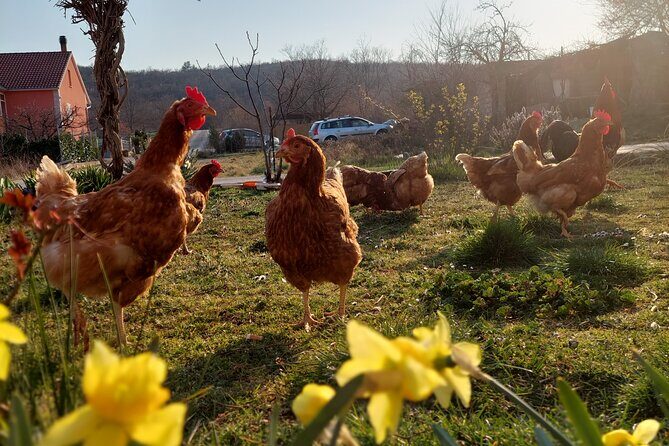
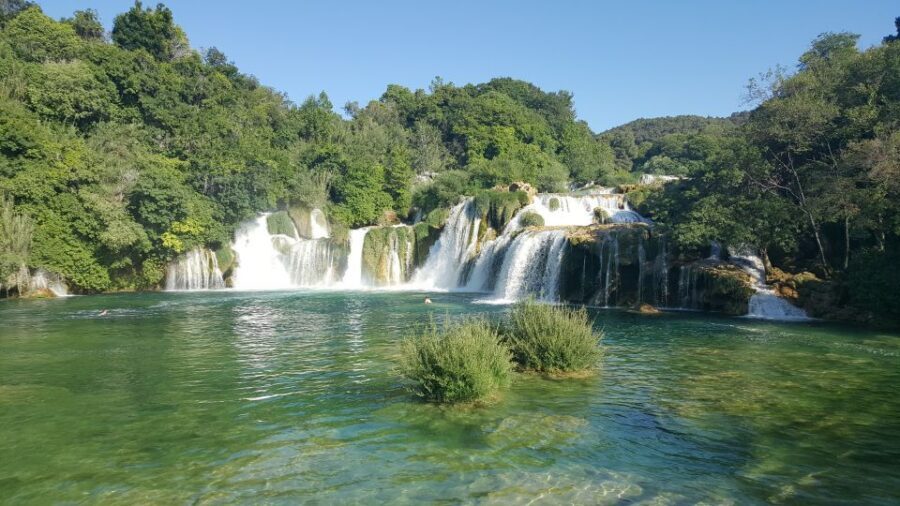
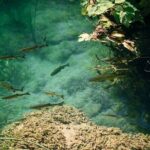
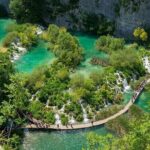
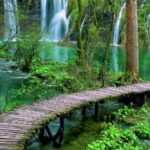
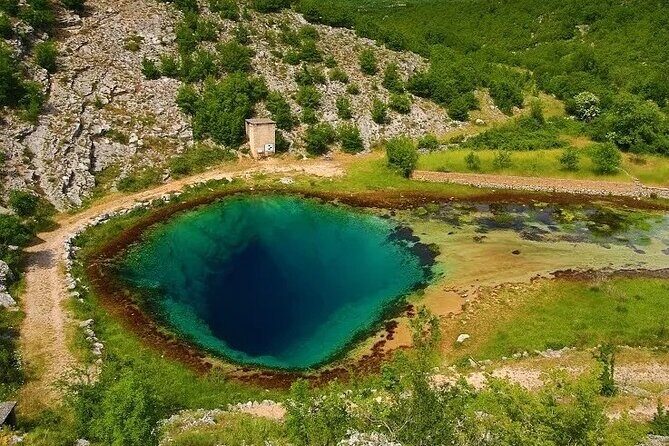
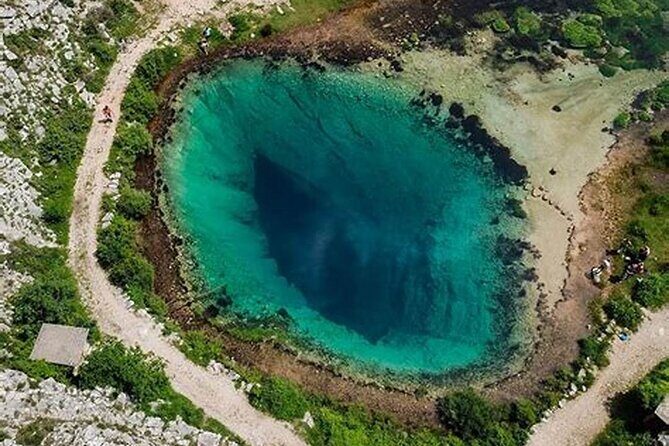
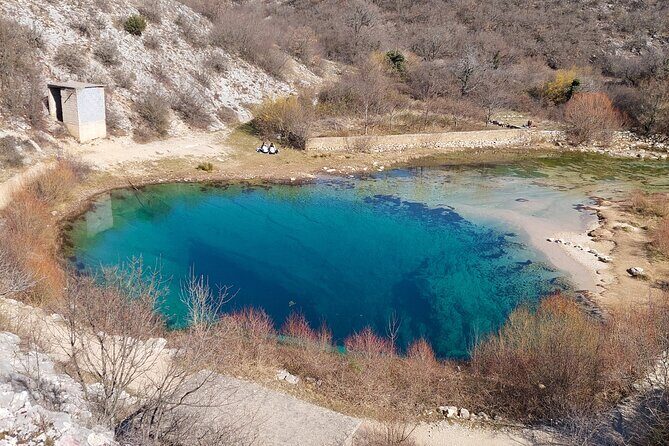
At some point in the middle of the day, you leave Split and head toward the Cetina River source. This is one of the most “Croatia, right now” moments in the schedule: clear water, a sense of cold freshness, and a break from city stone.
The source area is also described as the eye of the earth in one of the guide-led accounts you’ll hear on this kind of outing. If your guide mentions it, listen—because it frames the spot as more than scenic. It turns it into a natural landmark with meaning.
Then you get your picnic. Based on what’s been served on past days, you can expect local fruit and bread-type picnic basics, and in at least some cases, sweet items like croissants with poppy seed and cinnamon. The point isn’t fancy plating. The point is that you’re eating outside at a real destination, not just nibbling while on the move.
Practical advice:
- Wear shoes you can walk in comfortably around uneven ground.
- If you get chilly in cool shade, bring a light layer.
- If you’re hungry, don’t skip the picnic—this is one of the meal anchors of the day.
The local home experience: cooking, wine, and a family table
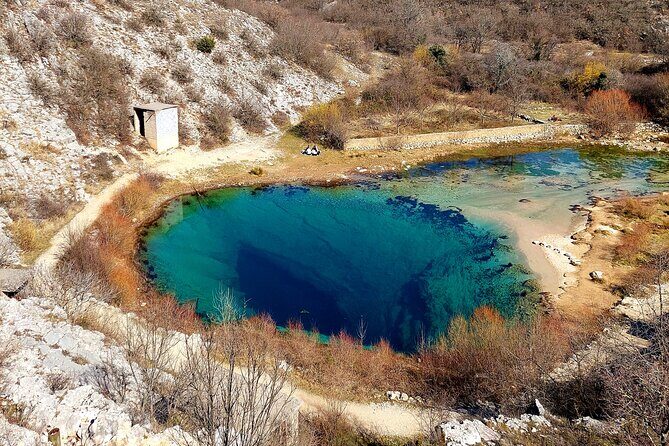
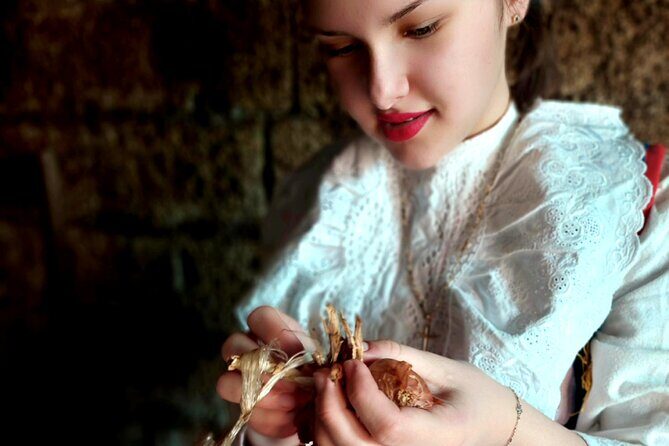
The heart of this tour is the stop at a local home. This is where the day stops being only sightseeing and becomes food-in-your-hands, people-speaking-to-you time.
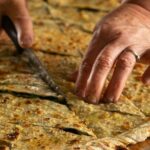
You’ll learn to make a local dish, then sample local and homemade wine and liquor at the host’s house. That “hands-on” part is important. It’s not just watching someone else cook. You’re part of the process, even if it’s simple tasks.
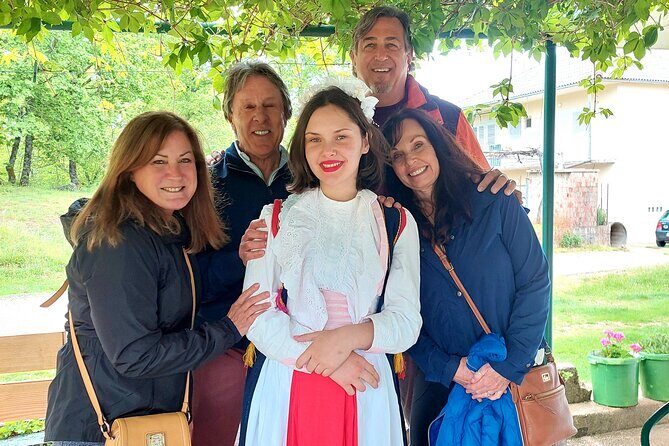
In one described experience, the host is Daniela, and the day includes a meal prepared by her grandmother—simple items like cheese, prosciutto, and bread, followed by a main dish called peka. Peka is the kind of Croatian classic people remember because it’s flavorful, slow-cooked, and built around communal eating.
In another described day, the picnic component felt like part of a bigger food story: local fruit and freshly described pastry items set the tone, then the family table added the warm, wine-forward finish.
Two things I genuinely like about this setup:
- It’s specific. You taste and learn from one household, not a generic demo kitchen.
- You get the social side of the region, where hospitality is part of the culture, not a sales line.
One consideration: if you don’t enjoy wine or liquor tasting, tell your guide early. The schedule includes sampling, but you may be able to pace it.
Trogir’s old town: UNESCO streets, Romanesque portals, and sea views
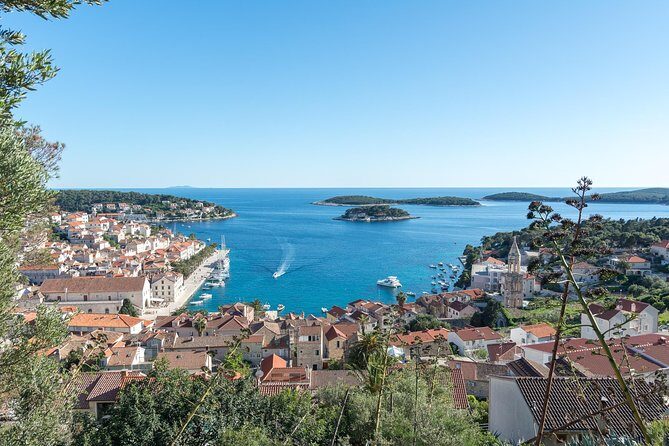
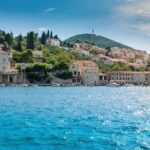
After Split and the country-side moments, the day shifts into Trogir for about two hours. Trogir Old Town is UNESCO-listed, and the walking zone is exactly what you want at the end of a long day: narrow streets, medieval buildings, and Romanesque architecture layered into a compact center.
You focus on standout sights, including:
Cathedral of Saint Lawrence
This is one of the big draws, famous for the Master Radovan portal. Romanesque carving work like this doesn’t usually translate well from a guide photo. Up close, it shows skill and patience, and it’s a good place to slow down and look.
Kamerlengo Fortress
This Venetian fortress sits above town and gives panoramic views. If your energy is running low, this is the place to recharge visually. Even a short stop here can feel like a reward for the earlier walking.
City walls
You get a look at preserved medieval walls—enough to understand how the town defended itself without turning your day into a long wall-hike.
Town Hall and the Loggia
Trogir’s Town Hall in the main square is Renaissance-era, and the Loggia is Venetian-style. These are the kinds of spaces where you can sit, regroup, and take in the architecture without rushing.
Practical tip: in old towns, the ground can be uneven. The tour is only two hours here, but it’s still worth taking your time and not expecting everything to be flat.
Price and what you’re really paying for at $389.77 per person
At $389.77 per person, this is not a budget city stroll. The question is what’s included that would otherwise cost you time and money on your own.
Here’s what you’re buying:
- A private format where only your group participates.
- An air-conditioned vehicle for the longer day logistics.
- Guide-led sightseeing in Split and Trogir with major landmarks.
- Time at the Cetina River source plus a picnic.
- A local home cooking experience with homemade wine and liquor.
Also, the landmark stops listed in the schedule are marked as free for admission tickets. That doesn’t mean every viewpoint is automatically included, but it does suggest you’re not paying entry fees for the main stops you’re seeing.
So the value angle is less about “how much you walk” and more about “how many parts of the day are done for you.” The family meal, the wine tasting, and the ride all compress multiple independent activities into one smooth program—especially useful if you’d rather not coordinate a private driver, a picnic, and a food experience separately.
One more value point: this style of tour is typically booked about 47 days in advance. That tells me it’s popular, and booking earlier gives you better chances at the day/time you want.
Who this tour fits best (and the one case to think twice)
This is a great match if you want:
- Roman and medieval sightseeing with an actual guide, not just a map.
- A nature break that feels real, not a roadside stop.
- A food-and-wine experience tied to a local home, where the host’s family is part of the story.
It may be less ideal if:
- You hate walking on uneven old-town surfaces.
- You’re extremely time-sensitive, because it’s about a 6-hour day.
- You’re planning around tight weather windows, since the experience requires good weather.
On the plus side, service animals are allowed, and it notes that most people can participate. That’s helpful if you’re trying to gauge comfort ahead of time.
Should you book this private Split and Trogir tour with a LOCAL?
Book it if you want a day that mixes big monuments with a hands-on, food-first finish. The strongest reason is the combination: Split’s iconic palace core, the Cetina River source picnic moment, and a real local home meal with cooking and tastings. That blend is hard to replicate cheaply on your own without extra planning.
Skip it if your idea of travel is strictly independent pacing with no schedule at all. This is a guided day, and it’s built around timing and transitions. If that sounds like your thing, you’ll likely enjoy it.
FAQ
How long is the Split and Trogir private tour?
The tour lasts about 6 hours.
What time does the tour start in Split?
It starts at 9:30 am.
Is pickup available?
Yes, pickup is offered.
Is this tour private?
Yes. Only your group participates.
Do you visit the Cetina River source and have a picnic?
Yes. You’ll travel to the source of the Cetina River and enjoy a picnic there.
What happens at the local home?
You’ll learn to make a local dish, then sample local and homemade wine and liquor at the host’s house.
What if the weather is bad?
The experience requires good weather. If it’s canceled due to poor weather, you’ll be offered a different date or a full refund.