REVIEW · FOOD & DRINK
Split&Sip: Educational wine tasting
Book on GetYourGuide →Operated by Split&Sip · Bookable on GetYourGuide
One hour in Split, and your wine map changes. Split&Sip is an easy, central stop inside a wine shop just by the National Theatre, where a live guide walks you through what you’re tasting and why it tastes that way. It’s a simple setup, but it turns an ordinary drink stop into a real lesson about Croatian bottles.
I especially love the pairing of Croatian wines with local cheese and prosciutto, plus olives and tapenade that keep the tasting grounded in food. I also like that the focus stays on understanding regions and grape styles, not just reciting facts. One thing to consider: with the session running about 1 hour (sometimes up to 2), you’ll cover a handful of wines rather than doing a long, bottle-by-bottle marathon.
In This Review
- Quick takes before you go
- Split’s National Theatre wine shop: why the setting helps you learn
- What you’ll taste: Croatian wines, plus other drink options
- The 1–2 hour pace: how to make the most of a short tasting
- The pairing that makes it practical: cheese, prosciutto, olives, tapenade
- The guide experience: what makes the explanations land
- Value check: is $56 per person worth it?
- Who this fits best in Split (and who should skip it)
- Small practical tips to get more from your tasting
- FAQ
- Where is Split&Sip located?
- How long does the wine tasting last?
- What’s included with the tasting?
- Are non-alcoholic drinks available?
- What languages does the guide speak?
- Is Split&Sip wheelchair accessible?
- Is it suitable for children or pets?
- What are the cancellation and payment options?
- Should you book Split&Sip?
Quick takes before you go
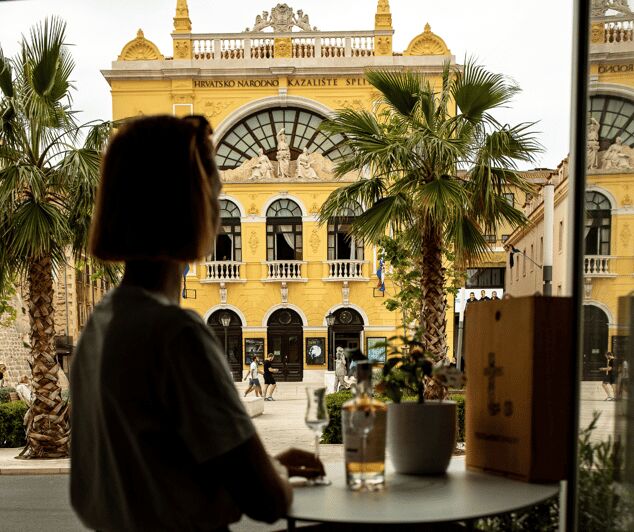
- Prime location by Split’s National Theatre, so it slots cleanly into a walking day
- Food included: local cheeses, prosciutto, olives, and tapenade to match the wines
- More than wine: craft beers, spirits, and non-alcoholic drinks are available
- Live guide in Croatian or English with Q&A built into the pace
- Often feels small-group or even private, depending on bookings
- 18+ experience (not suitable for children under 18)
Split’s National Theatre wine shop: why the setting helps you learn
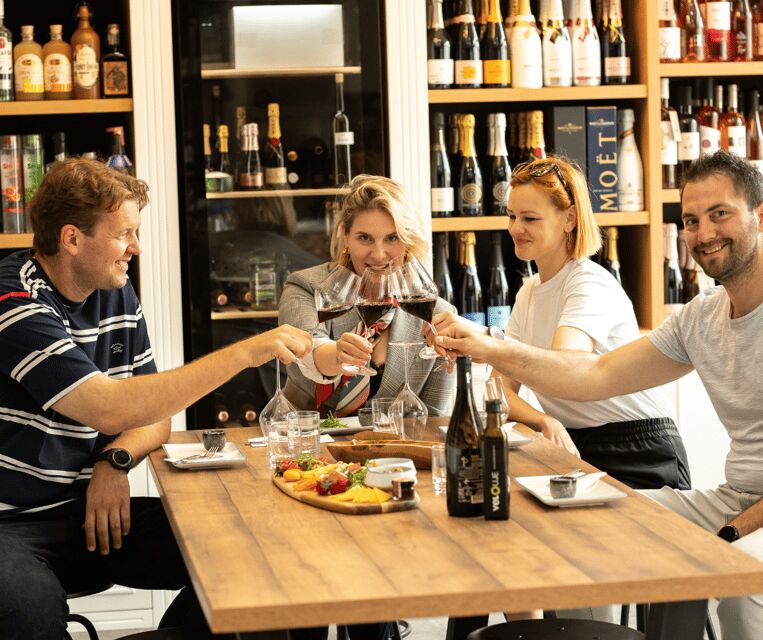
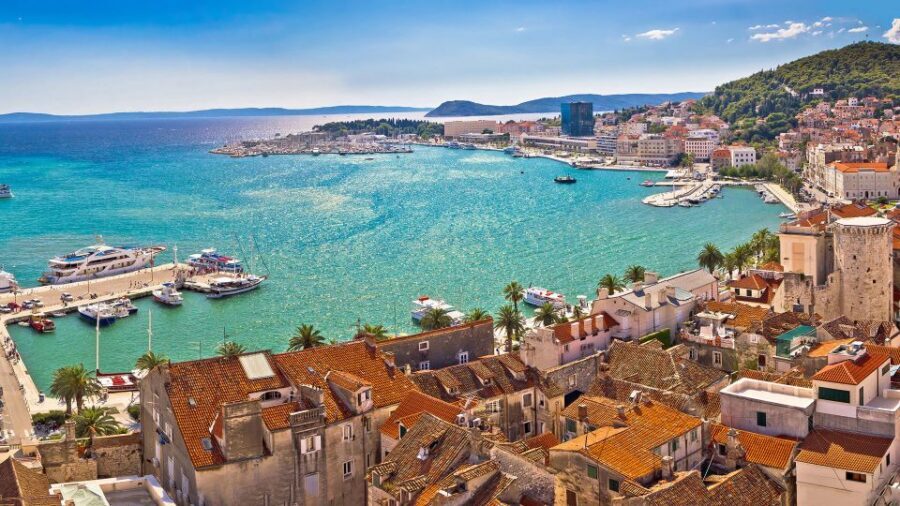
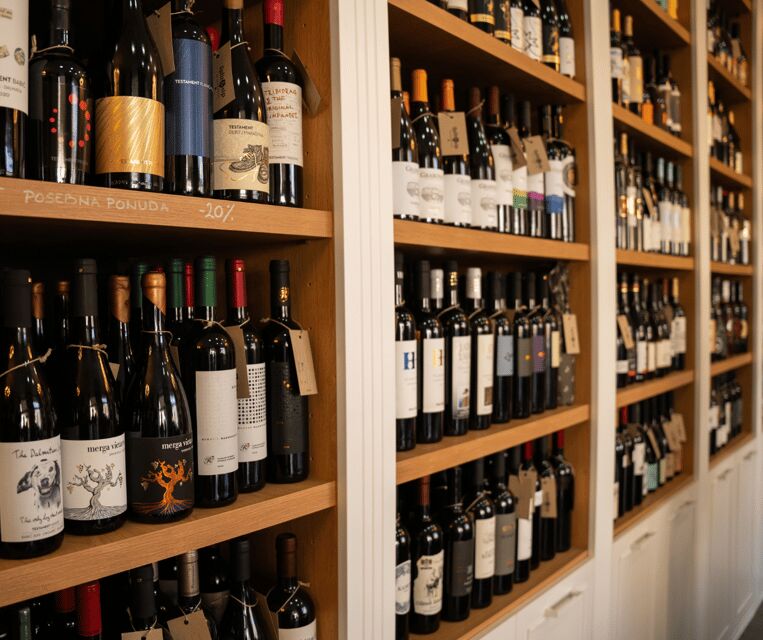
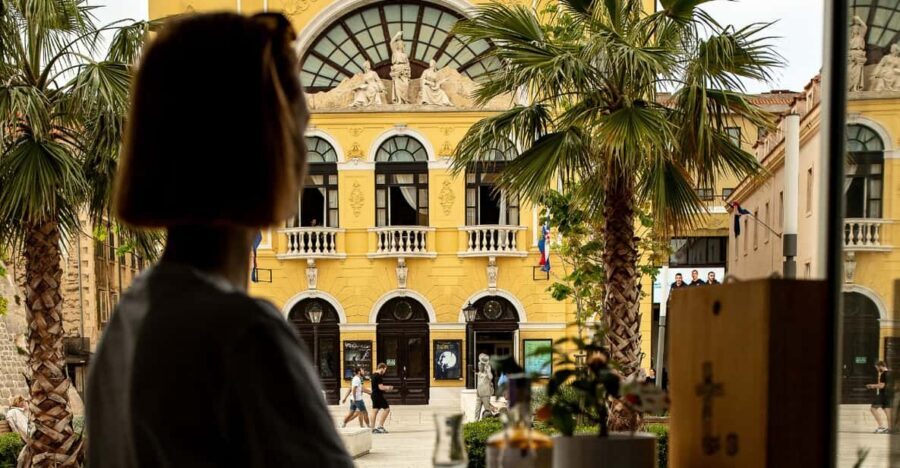
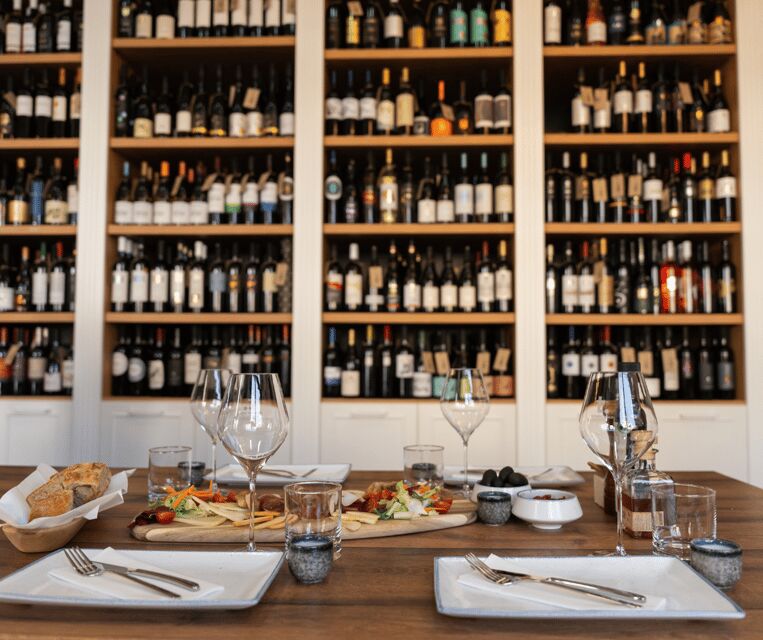
I like when a tasting doesn’t require guesswork. Split&Sip puts you in a real wine shop right in the center of Split, next to the National Theatre, which means you can get there on foot and stay relaxed before you start sipping. The shop itself matters more than you’d think: you’re not bouncing between places, and you’re not trying to read a menu while the clock ticks.
There’s also a practical sightseeing bonus. If you’re already doing the Riva, the old streets, or theatre-area landmarks, this becomes a natural break—sit down, taste, then keep walking with your brain slightly rewired. You’ll also be able to compare notes later when you see wine lists around town.
Meeting point details can vary a bit depending on the option you book, but Trg Gaje Bulata (including Trg Gaje Bulata 6) is part of the listing you’ll see. My advice is simple: once you book, check the exact wording for your option so you don’t end up hunting for the correct door while everyone else is already inside.
You can also read our reviews of more food & drink experiences in Split
What you’ll taste: Croatian wines, plus other drink options
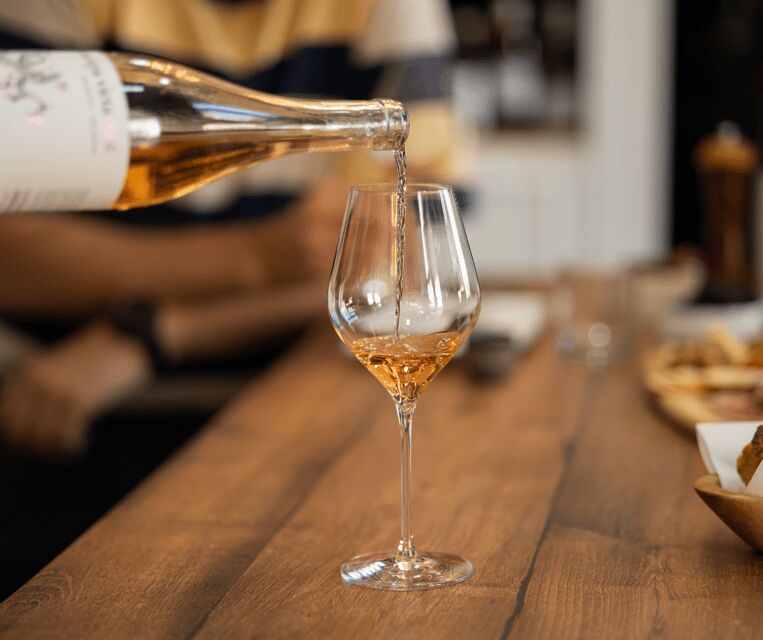
This isn’t a “wine only” stop. The shop is set up for wine tastings, but you can also find other beverages on offer, including craft beers, spirits, and non-alcoholic drinks. That flexibility is valuable if your group has mixed tastes—maybe you want Croatian reds and whites, while someone else wants something lighter or alcohol-free.
On the wine side, the tasting is built around a diverse selection of wines from different regions and grape varieties. In plain terms: you’re not just tasting one style. The guide is there to explain what you’re tasting and how those grapes and growing conditions translate into flavor. Even if you’re new, you’ll get a structure for what to notice, like acidity levels, aromatics, and what “region” means on your tongue.
A nice sign of quality here is the way the sessions are described as educational, not just a pour-and-go experience. In other words, you’re not paying for the right to stand around with a small glass—you’re paying for the guided context that helps you choose better later.
The 1–2 hour pace: how to make the most of a short tasting
Your total time is listed as 1–2 hours, with the tasting itself often described as around 1 hour. That’s the sweet spot for a vacation: long enough to learn a few things, short enough that you won’t feel stuck or rushed beyond comfort.
Here’s how I’d approach it so you get value even if you have zero wine vocabulary:
- Take it slow with each pour. Let the guide talk, then taste again after the explanation.
- Ask one follow-up question when something clicks. Guides tend to answer better when you’re specific, like where the grape is grown or what to pair it with at dinner.
- If you’re a total beginner, don’t worry about sounding basic. The whole point of this format is to walk you from “I don’t know” to “I can order.”
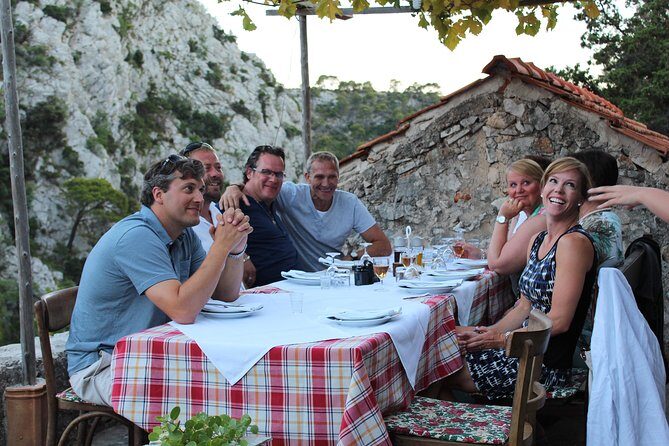
One more detail from the experience pattern: the session can feel very personal when the group is small. In at least one case, a guest arrived alone and described the tasting as intense—in a good way—because the guide could go deeper. So if you want a more focused vibe, aim for off-peak times when possible.
The pairing that makes it practical: cheese, prosciutto, olives, tapenade
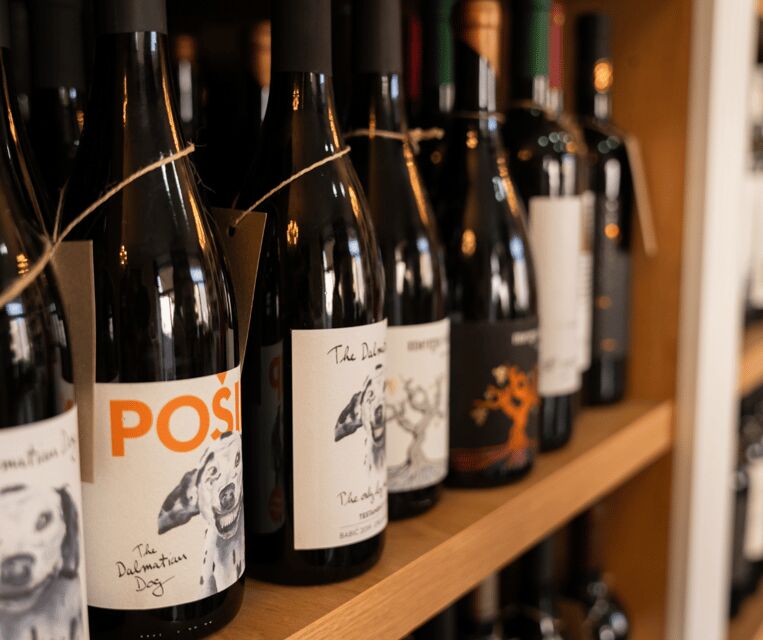
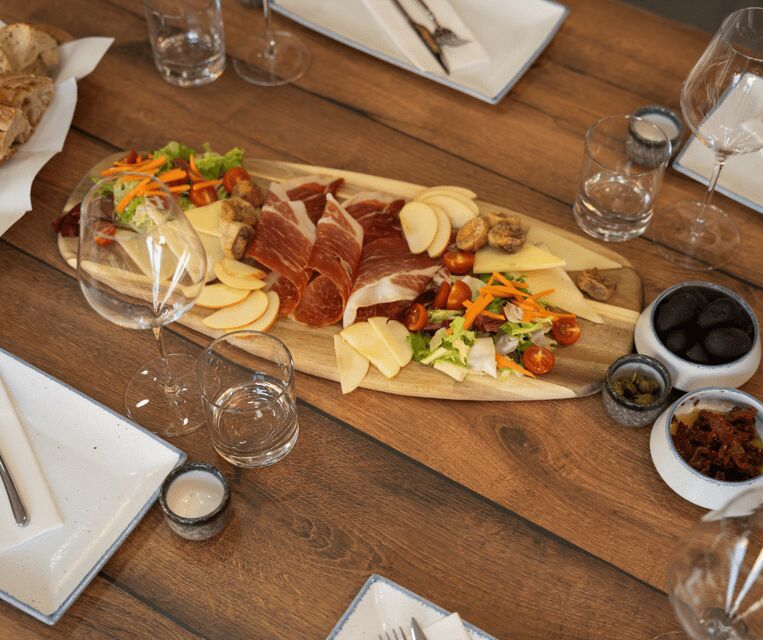
Food turns wine tasting into something you can actually use. Split&Sip includes a spread built around Croatian favorites: local cheeses, local prosciutto, olives, and various tapenades. This isn’t just there for decoration; it changes how the wine tastes.
Cheese gives you a reference point. Fat and salt can round out sharper wines, and tasting with food helps you notice whether a wine feels balanced or out of sync. Prosciutto brings its own salty, savory intensity, and pairing it with different wine styles helps you figure out what works with cured meats. Olives and tapenades add briny, herby flavors that can pull out fruit and structure in the wine.
If you’re the kind of person who loves practical learning—like, what do I actually do at a restaurant?—this is the model that works. You’re not only memorizing grapes; you’re learning how flavors interact.
If you have dietary constraints, it’s worth paying attention before you go. One guest shared that their host adjusted because they don’t eat meat. That suggests the guide is willing to respond to needs, but details aren’t guaranteed—so message or ask at booking if you want to be sure.
The guide experience: what makes the explanations land
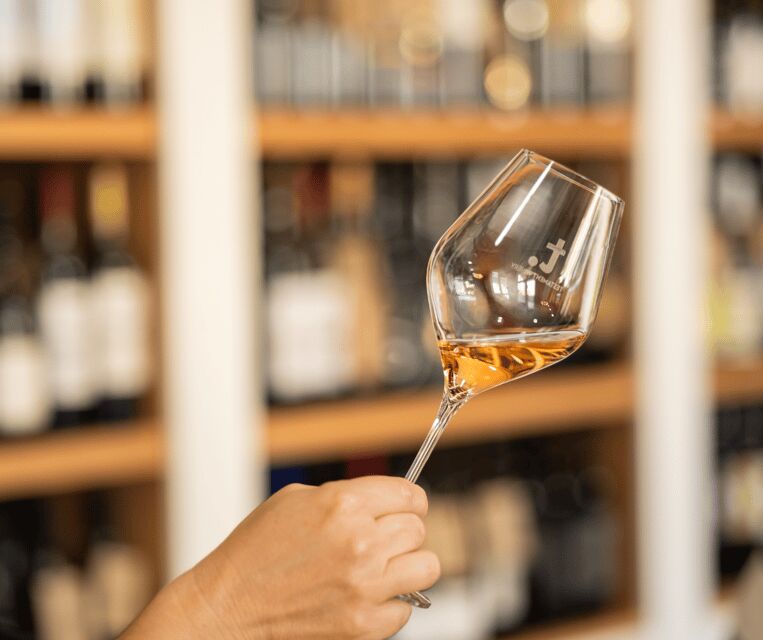
This is a live tour with a guide available in Croatian and English. That matters, because wine education can be messy when you’re stuck reading labels. With a person guiding the tasting, you get the story behind the glass and the language to describe what you’re noticing.
Names you may hear in guides and hosts include Sven (and the closely spelled Swen) and Marina. Across feedback, the common thread is that hosts are patient with beginners and push the teaching beyond just “this is good.” They focus on how growing conditions and region influence flavor, and they’re willing to answer questions as the tasting moves along.
If you want the best experience, come ready to ask for comparisons. For example:
- Which wine style would you order with seafood in Split?
- What should I look for if I like a fresh, crisp white?
- What grape should I remember if I want that same flavor again?
I’d also treat this as a chance to build your personal wine “map.” After a few guided tastings, you start recognizing what you like, and you waste less time browsing bottles later.
You can also read our reviews of more wine tours in Split
Value check: is $56 per person worth it?
At $56 per person, you’re paying for more than a couple drinks. The price buys you a guided tasting experience for about 1 hour (sometimes up to 2) plus food pairings—local cheeses, prosciutto, olives, and tapenade. In a central location by major landmarks, that combo is often what separates “a drink stop” from “an activity.”
Here’s how I think about value for wine tastings:
- If you’re new to wine, guidance is worth real money because it saves you from random guessing.
- If food is included, you’ll taste more clearly, and you’ll feel less like you’re just sampling alcohol on an empty stomach.
- If you leave with a few wines you’d actually buy again, the session pays you back in better restaurant ordering.
A few guests even described picking up bottles at the end because they liked what they tasted. While you shouldn’t assume every bottle can be shipped, it’s smart to ask in-store if you want to take wine home in any specific way. One guest noted they couldn’t get shipping through the shop, so if that’s on your mind, check early.
For me, the biggest value signal is the high satisfaction rating and the repeated mention of both learning and relaxed atmosphere. This doesn’t sound like a rushed classroom—it sounds like a sit-down conversation where the wine is the lesson.
Who this fits best in Split (and who should skip it)
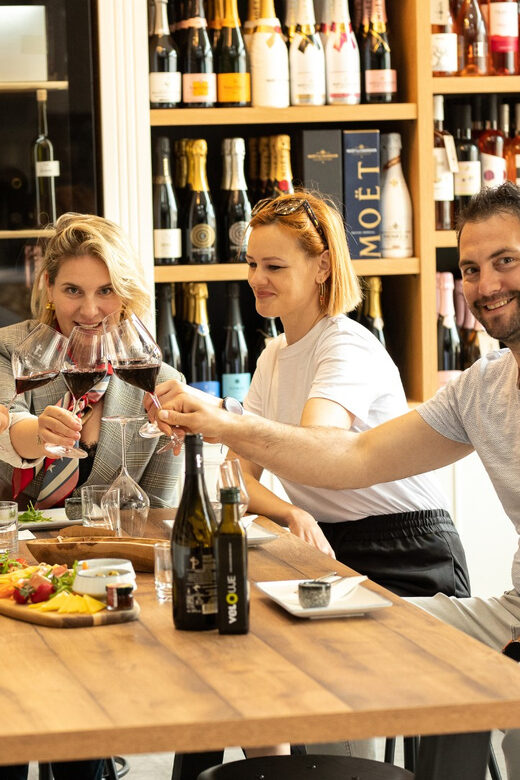
This one is ideal if:
- You’re curious about Croatian wines and want the basics fast.
- You like learning that’s paired with food, not just speeches.
- You’re traveling with friends or partner who are open to a short guided activity.
It’s not suitable for children under 18, and pets aren’t allowed. Smoking indoors isn’t allowed either, so plan on fresh air if you need breaks.
Also, if you’re the type who hates anything structured, know that this is still a tasting with a guide and a planned set of wines. You’ll have room for questions, but it’s not a pick-your-own-adventure bar crawl.
Finally, if you want a very long tasting with lots of bottles, the 1–2 hour duration may feel short. Think of it as a concentrated starter course.
Small practical tips to get more from your tasting
- Take a few moments before you arrive to decide what you like: crisp whites, fruit-forward reds, or something in between. It helps the guide steer the conversation.
- Pace yourself. You’ll taste multiple wines, and the food is salty and rich—go slow so you can actually detect differences.
- If you’re buying wine after, ask what pairs best with your next meal in Split. That’s where the learning turns into real vacation fun.
And if you’re combining this with other plans, schedule it before dinner rather than during. You’ll enjoy the food pairings more, and you’ll have better instincts for ordering when the real meal arrives.
FAQ
Where is Split&Sip located?
The tasting takes place in Split, Dalmatia, Croatia, in a wine shop near the National Theatre. Meeting points may vary depending on the option booked, and Trg Gaje Bulata (including Trg Gaje Bulata 6) is listed.
How long does the wine tasting last?
The duration is listed as 1–2 hours. Check availability for starting times.
What’s included with the tasting?
The experience includes the wine tasting plus local food pairings such as fine selection of local cheeses, local prosciutto, olives, and various tapenade.
Are non-alcoholic drinks available?
Yes. The shop offers other beverages beyond wine, including craft beers, spirits, and non-alcoholic drinks.
What languages does the guide speak?
The live guide is available in Croatian and English.
Is Split&Sip wheelchair accessible?
Yes, the activity is listed as wheelchair accessible.
Is it suitable for children or pets?
Children under 18 are not suitable. Pets are not allowed, and smoking indoors is not allowed.
What are the cancellation and payment options?
You can cancel up to 24 hours in advance for a full refund. There’s also a reserve now & pay later option.
Should you book Split&Sip?
If you want an easy, central way to understand Croatian wine—without needing to be a wine expert—this is a strong pick. The combination of guided tasting plus local cheese, prosciutto, olives, and tapenade makes it feel like a real activity, not just a sip session. It’s also a good choice for first-timers because the format supports learning in plain, practical terms.
I’d skip it if you’re under 18, traveling with pets, or looking for a long multi-hour tasting with dozens of pours. But if you’re in Split for a few days and want one smart stop that improves how you order wine for the rest of your trip, I’d book it.