REVIEW · CRUISES & BOAT TOURS
Split and Trogir Half Day Tour from Cruise Ships
Book on GetYourGuide →Operated by www.splitwalkingtour.com · Bookable on GetYourGuide
Ancient walls, sea views, and a second UNESCO stop. This half-day Split and Trogir tour pairs a tight walk through Diocletian’s Palace with a guided deep look at UNESCO Trogir.
What I like most is how the guide connects big Roman leftovers to what you’re standing on right now, and then gives you just enough structure in Trogir before you wander on your own. The main drawback is that it’s not wheelchair-friendly, and you’ll be on your feet a lot.
In This Review
- Key things to know before you go
- Why Split and Trogir works so well for cruise days
- Golden Gate to Diocletian’s Palace: the walk that sets the tone
- Saint Domnius, Peristyle, and Gregory of Nin in one loop
- The Riva promenade and People’s Square: views with a purpose
- The 45-minute ride to Trogir: why the transfer is worth it
- UNESCO Trogir: a second old town with its own personality
- Your 60 minutes to explore Trogir on your terms
- Guides make or break it: what the best ones do here
- Price and value: what $56 buys you in real terms
- Who should book this Split and Trogir tour
- Final verdict: book it if you want context fast
- FAQ
- How long is the Split and Trogir half day tour?
- Where do I meet the guide?
- Does the tour include a guided visit in Diocletian’s Palace?
- Is transportation to Trogir included?
- Is there free time in Trogir?
- What sights will I see in Split?
- What languages are offered?
- Is the tour suitable for wheelchair users?
Key things to know before you go
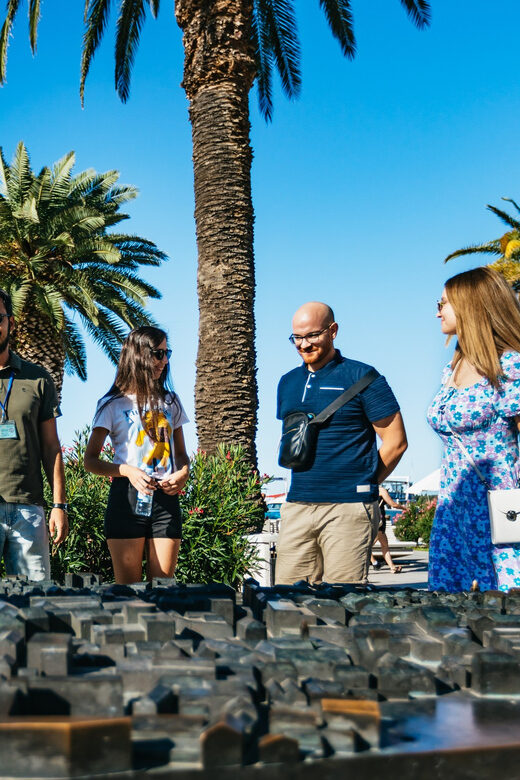
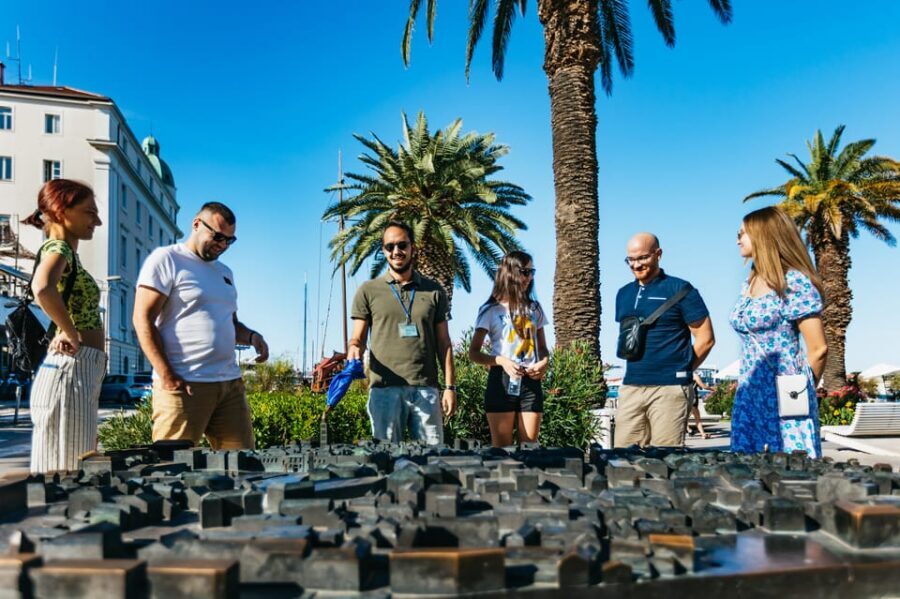
- Golden Gate meeting point: you start at the Golden Gate of Diocletian’s Palace and look for a guide with a blue umbrella
- 1.5-hour Diocletian’s Palace walk: a focused route through the Peristyle and the palace remains
- St. Domnius, Gregory of Nin, and People’s Square: major sights are built into the walking loop in Split
- 45-minute transfer to Trogir: one coaster-free van ride that still keeps the whole day cruise-friendly
- UNESCO Trogir with guided hour + 60 minutes free time: structure first, then your own pace
Why Split and Trogir works so well for cruise days
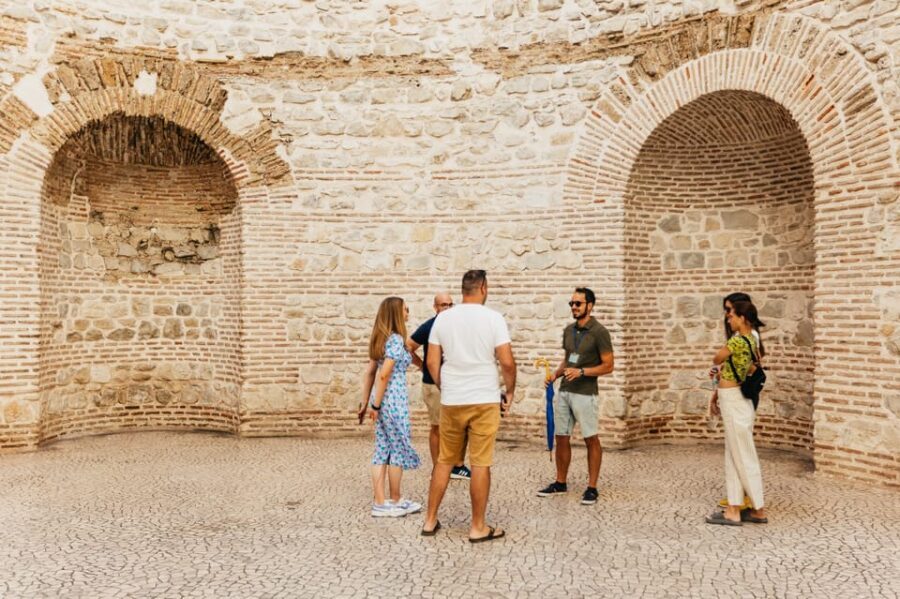
If you’re docking in Split and you want more than just a quick wander, this tour hits a sweet timing window. In about 5 hours, you get one guided walk in Split and then a second guided experience in Trogir, both tied to UNESCO old-town highlights.
What makes it practical is the flow: Split first, then a short drive to Trogir, then back again to the same start point at the end. You’re not spending the day crisscrossing ports. You’re following a route that’s built around the major sights people usually miss when they try to do it solo.
The other thing I like: you’re not locked into every minute. You get a 60-minute free time block in Trogir, which matters because old towns are at their best when you slow down and choose where to linger.
You can also read our reviews of more boat tours in Split



Golden Gate to Diocletian’s Palace: the walk that sets the tone
You begin right where the story starts: at the Golden Gate of Diocletian’s Palace. This matters because Diocletian’s palace isn’t just one attraction. It’s the framework for the old city. Starting there helps you understand why so many later streets, buildings, and viewpoints line up like they do.
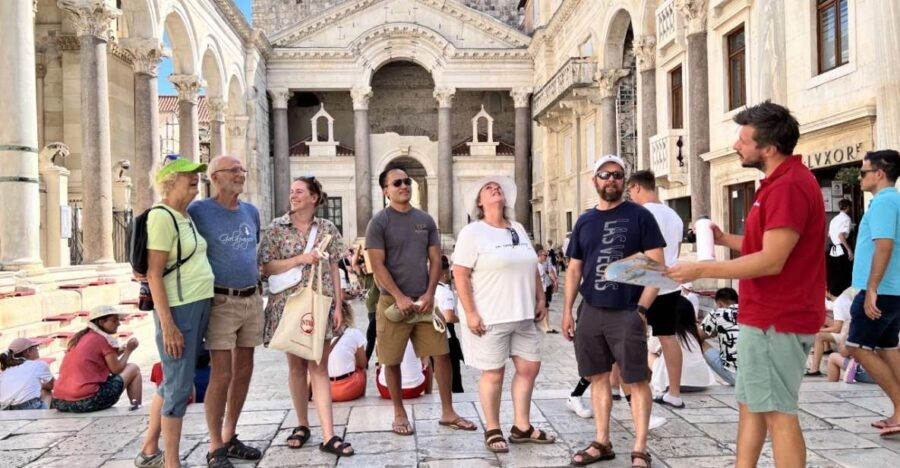
From there, you move into the Diocletian’s Palace guided portion (about 1.5 hours). Expect a route that focuses on the “wow” Roman remains without turning it into a lecture. You’ll see the impressive Peristyle courtyard, plus key palace remnants that explain how this emperor’s 305 CE project shaped everyday life for centuries afterward.
I also like that the guide doesn’t treat the palace like a museum. You walk through spaces and landmarks that still feel like living parts of Split. That’s the difference between seeing ruins and actually understanding them.
Saint Domnius, Peristyle, and Gregory of Nin in one loop
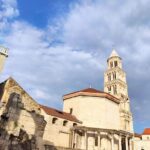
Split’s palace is dramatic, but the big charm is how it connects to the religious and public life that grew over time. During the Split walking portion, you’ll visit the Cathedral of Saint Domnius, including its 12th-century bell tower. Even if you’re not a cathedral person, the tower is a sharp visual anchor in the city.
Another stop that helps the tour feel more human is the statue of Gregory of Nin, sculpted by Ivan Meštrović. It’s the kind of landmark that’s easy to spot once you know it’s there, and the guide can explain why people relate to it (and how it became part of the city’s personality).
You’ll also hear about the Golden Gate itself in context—Diocletian walked through it to enter his palace. That small detail does a lot of work. It turns a gate from a pretty structure into a moment in time.
The Riva promenade and People’s Square: views with a purpose
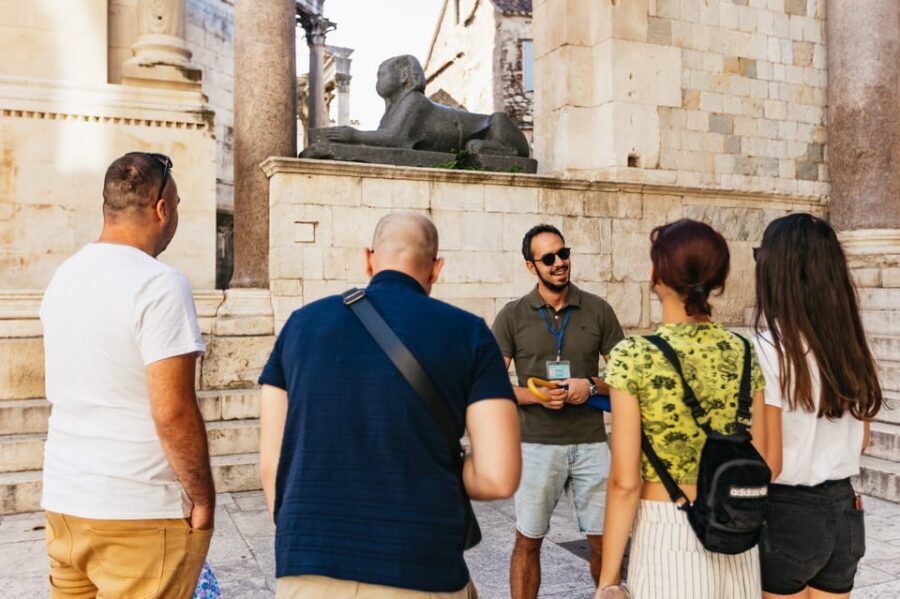
After the palace core, the tour shifts from stone walls to the city’s public-facing edges. You’ll walk along the Riva promenade, which is where Split opens up to the sea. This is where you get that Adriatic perspective that makes the whole trip feel like more than history.
You’ll also make time for People’s Square, including the Old Town Hall and the City Clock. These are “less dramatic than the palace” on paper, but they’re important. They show you how the old city functions now: meeting points, daily rhythms, and landmarks that locals still use.
One practical consideration: this is a walking tour. Bring comfortable shoes and plan on standing still for short photo moments. The sights are close together, but you still want footwear that won’t punish you by mid-tour.
The 45-minute ride to Trogir: why the transfer is worth it
Here’s the part that keeps the whole day from feeling rushed: the tour includes a cozy 45-minute drive from Split to Trogir. That transfer might sound like “downtime,” but it actually helps you arrive at Trogir with your energy intact.
You’ll also keep the day structured. The van segments handle the logistics so you can focus on what you’re seeing. This is especially valuable if you’re on a cruise schedule and don’t want to gamble on timing.
If you choose the option that includes transfers, it’s built for an easy back-and-forth: van out to Trogir, then van back, ending again near the Golden Gate in Split.


UNESCO Trogir: a second old town with its own personality
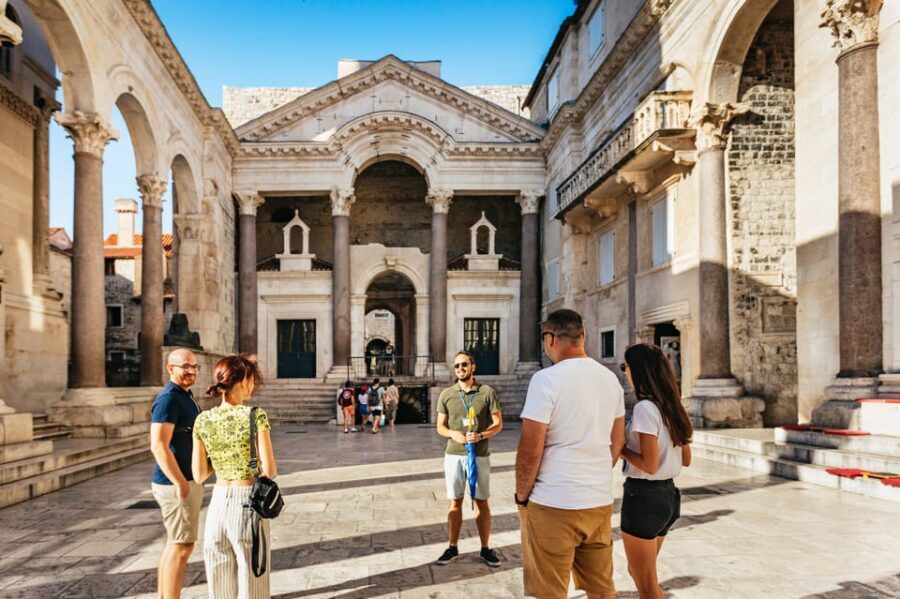
Trogir is the kind of place where UNESCO status feels earned, not just stamped. The tour includes a guided tour of the old town (about 1 hour), so you’ll get the key sights explained while you’re still fresh and able to follow the story.
The total experience makes sense: you don’t just arrive and wander blind. You get enough guidance to recognize what matters, why it matters, and how the town developed as a compact historic center.
This guided hour is also a reality check for time management. Trogir can tempt you into over-wandering, but having the guide’s route helps you see the major features first, then decide what deserves your extra attention.
Your 60 minutes to explore Trogir on your terms
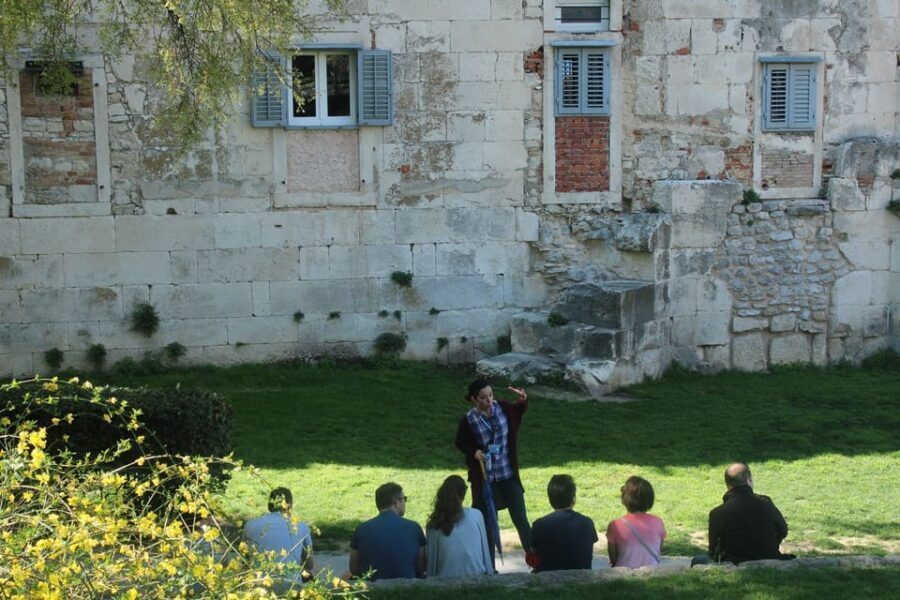
After the guided portion, you get 60 minutes of free time. This is the portion I’d protect most if you’re the type who likes to photograph, snack, and poke into side streets.
Because your hour is already guided, your free time becomes more intentional. Instead of trying to figure everything out on the spot, you can follow your own interests:
- a favorite viewpoint you spotted earlier
- a lane you want to revisit for photos
- local storefront browsing
- a slower walk through the areas you enjoyed most during the guidance
This is also where the tour’s pacing becomes a strength. You’re not stuck with a guide talking through every cobble. You get to enjoy Trogir as a place, not just a route.
Guides make or break it: what the best ones do here
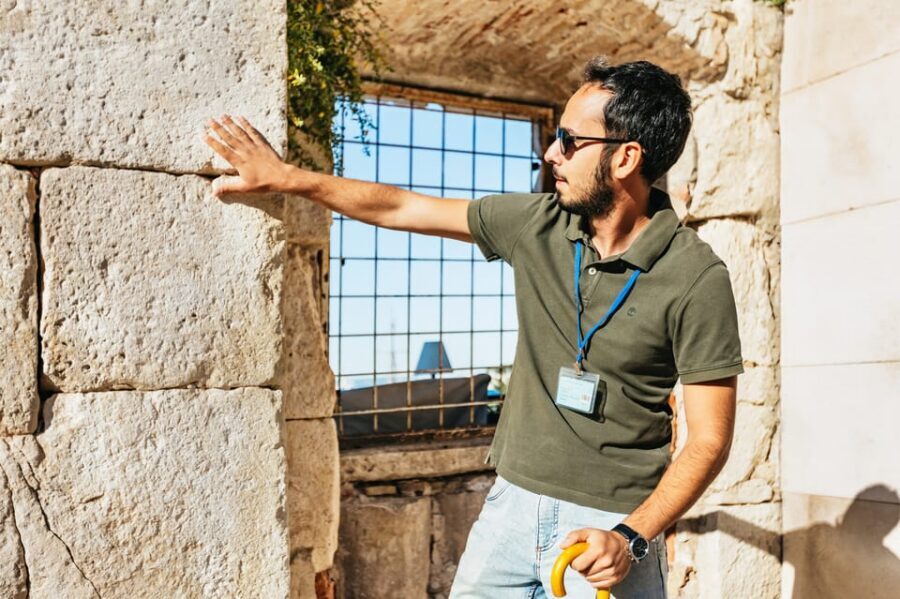
A big reason this tour earns such strong ratings is the guide style. Names you might hear in this route include Antonia, Ivan, Marta, Mario, Nina, Jakov, Lena (spelling may vary), and Maria. Across these guides, a consistent theme is making the architecture understandable fast.
You’ll see it in how they frame the palace remains: not only what you’re looking at, but why it was built, how people used it, and how later centuries changed the city around it. It’s one of those tours where the guide turns landmarks into a story you can hold in your head while you walk.
If you’re someone who usually thinks history tours are too dry, this is the kind of route where the commentary seems built for real people walking in real light.
Price and value: what $56 buys you in real terms
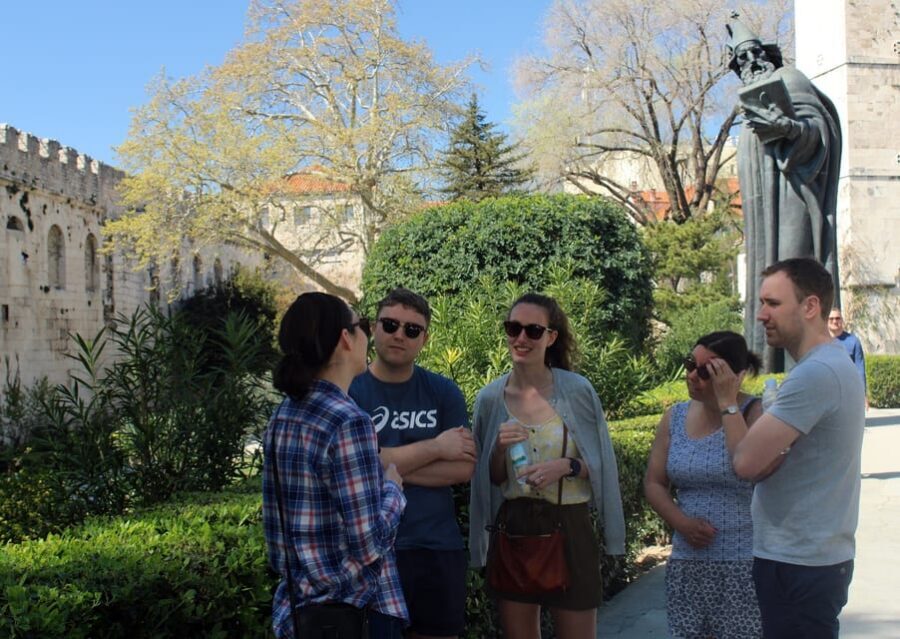
At $56 per person for a 5-hour experience, the value comes from what’s included versus what you’d otherwise have to figure out on your own.
You’re paying for:
- a local licensed English-speaking guide
- the Diocletian’s Palace walking tour
- the transfer to and from Trogir (if you select that option)
- a guided tour of Trogir (if you select that option)
- 60 minutes free time in Trogir
If you tried to DIY this, you’d still need a plan for guided context in both towns, plus transport coordination. The price feels more reasonable because it packages both “anchor experiences” (Split and Trogir) into one timed outing.
Also, starting and ending at the same meeting point makes life easier for cruise days. You’re not returning to a random pickup spot and hoping you can find your way back to your ship.
Who should book this Split and Trogir tour
This tour fits best if you want:
- a clear first taste of Split’s old core with major landmarks explained
- a second UNESCO stop without taking a full day out of your cruise plan
- a balance of guidance and free time (guided structure in Trogir, then your own pace)
You might want to skip it if you can’t comfortably handle walking through historic areas. It’s not suitable for wheelchair users, and the route is designed for people who can stand and walk for several hours.
If you like practical history—Roman structures, medieval church landmarks, and how those connect to modern streets—this will land well.
Final verdict: book it if you want context fast
I’d recommend this tour if you’re short on time but still want more than selfies at the main gates. The best part is the way the guide makes Diocletian’s Palace feel like a living foundation for Split, then carries that same clarity into UNESCO Trogir. The 60 minutes of free time in Trogir is the safety valve that keeps the whole thing from feeling over-planned.
If you’re already very familiar with Split, you might feel the Split portion is just the essentials. But if you’re new to this corner of Dalmatia, this half-day format is a smart way to get oriented fast and still have room to enjoy the towns yourself.
FAQ
How long is the Split and Trogir half day tour?
The tour duration is 5 hours.
Where do I meet the guide?
Meet at the Golden Gate of the Diocletian Palace, Split, and look for the guide holding a blue umbrella.
Does the tour include a guided visit in Diocletian’s Palace?
Yes. You get a guided tour of Diocletian’s Palace (about 1.5 hours).
Is transportation to Trogir included?
It’s included if you select the option for transfers to and from Trogir.
Is there free time in Trogir?
Yes. There is 60 minutes free time in Trogir.
What sights will I see in Split?
You’ll visit highlights tied to Diocletian’s Palace, including the Peristyle courtyard, Golden Gate, the Cathedral of Saint Domnius with its 12th-century bell tower, Gregory of Nin (by Ivan Meštrović), plus the Riva promenade and People’s Square with the Old Town Hall and City Clock.
What languages are offered?
Live guides are available in English, Spanish, German, French, and Italian.
Is the tour suitable for wheelchair users?
No. The tour is not suitable for wheelchair users.
If you tell me your cruise docking time and whether you want pickup, I can help you decide which option makes the most sense.