REVIEW · FOOD & DRINK
From Split/Trogir: Mostar and Medjugorje Tour with Wine Tasting
Book on Viator →Operated by South Tours Croatia · Bookable on Viator
A border crossing, a rebuilt bridge, and a pilgrimage hill in one day. This tour strings together Mostar’s UNESCO Old Bridge and the devotion of Medjugorje, with guided time in Mostar and practical free time later. I liked the blend of history and wandering—Mostar’s bazaar area feels made for slow looking—and I also liked the included wine tasting in Mostar as a quick taste of local flavors. The main drawback: the day runs on a tight schedule, so if you want both lots of church time and the long climb, you may feel rushed.
I also like that pickup is set up for convenience in Split/Trogir, and the small-group size (up to 20) usually keeps the day from turning into a cattle-car parade. Just do one thing before you go: plan for Bosnia paperwork, sturdy shoes for rocky ground, and the reality that what you get at wine tasting or museum time can vary from one guide day to the next.
Great Things to Know Up Front
- UNESCO Old Bridge walk in Mostar with time for photos in the restored Old Town feel
- Food and shopping time in Mostar so you can try cevapi, pita, or burek on your own
- Medjugorje choice: Church of St. James or Apparition Hill hike (or both if you time it right)
- Small group size (max 20) in an air-conditioned minivan/coach for a smoother ride
- Passport required for Bosnia entry, plus a €5 cash border fee at the meeting point
In This Review
- From Split and Trogir to Bosnia: how the ride and timing really work
- Crossing into Bosnia: passport and the €5 cash border fee
- Mostar’s Old Bridge and Old Bazaar: the UNESCO stop that anchors the day
- Walking Mostar with a guide: the storytelling can vary
- The wine tasting in Mostar: small, local, and not a vineyard tour
- Your Mostar free time: shop smarter and snack like a local
- Medjugorje: how the Church of St. James and Apparition Hill split your time
- Apparition Hill hike: do it only if you’re ready for rocky terrain
- Timing pressure: the trade-off between Mostar and Medjugorje
- Comfort on the road: drivers matter more than you think
- Price and value: is $90.51 worth it?
- Who should book this tour from Split or Trogir?
- Should you book this Mostar and Medjugorje day tour?
- FAQ
- How long is the Mostar and Medjugorje tour from Split/Trogir?
- Where does pickup happen?
- Does the tour include a wine tasting?
- Is the museum in Mostar included?
- Are food and drinks included?
- Do I need a passport?
- Is there a border crossing fee?
- What language is the tour offered in?
- Is the group small?
- What if I need to cancel?
From Split and Trogir to Bosnia: how the ride and timing really work
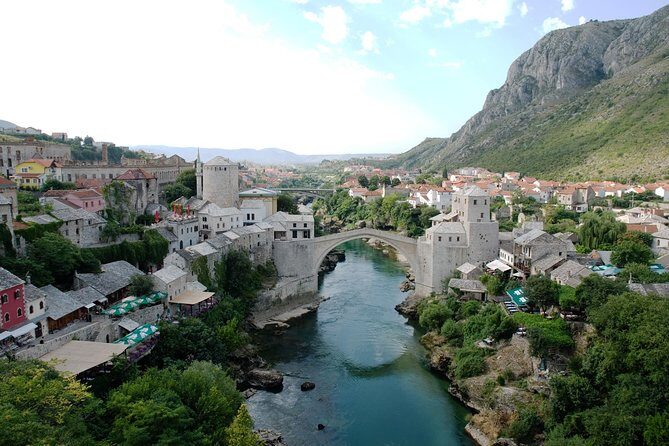
This is a true one-day “see a lot” trip. You’re leaving from Split (and often Trogir via pickup), then spending most of the day in Bosnia and coming back after about 10 hours total (transfer time depends on traffic and border flow). The vehicle is air-conditioned, and the plan is structured enough that you won’t spend the day staring at a map.
The best way to think about it: you get guided highlights, then you get freedom to do your own thing. In Mostar, the structure helps you avoid wandering in circles. In Medjugorje, the freedom matters more because you can choose how to spend your time—quiet church visit versus a rocky climb.
If you hate time pressure, build your expectations accordingly. Several people note the schedule can feel tight in Medjugorje, especially if you’re trying to do both prayer time and the hill hike.
Crossing into Bosnia: passport and the €5 cash border fee

This part is not optional. You need a current valid passport, because the tour crosses into Bosnia and Herzegovina, which is outside the EU/Schengen area. If you show up with an ID card instead of a passport, the day can start with a mess at the border.
You’ll also face a border crossing fee of €5 per person, and the information here is very specific: it’s cash only, and you’ll handle it at the meeting point. I’d treat that like a pre-flight checklist item. Bring the cash, keep it easy to access, and don’t leave it buried in your bag.
You can also read our reviews of more food & drink experiences in Split
Mostar’s Old Bridge and Old Bazaar: the UNESCO stop that anchors the day
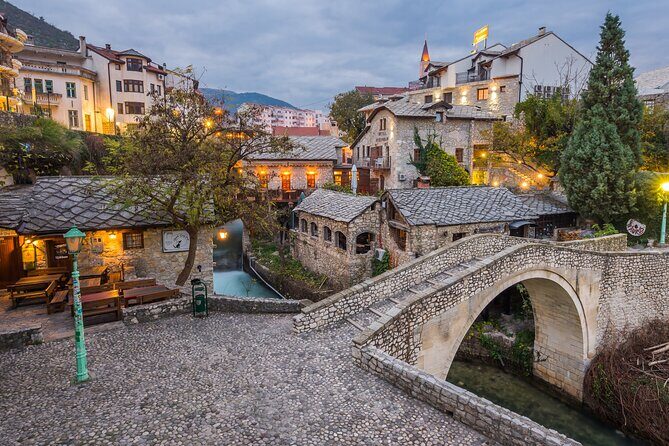
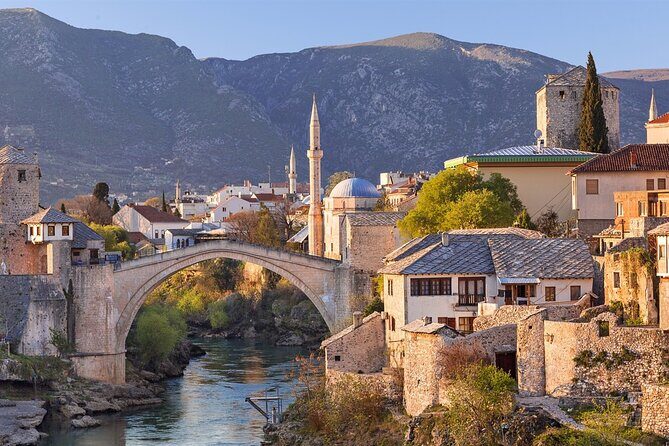
Mostar is the star of this itinerary, and you can feel why fast. You’ll get a guided introduction to the city, including time in the Old Bazaar area and a walk to the Old Bridge—the 16th-century landmark and UNESCO World Heritage site.
Two things tend to land well here:
- The Old Bridge itself: you’re not just seeing it from across the street. You’re walking through the heart of the historic area where the bridge is the centerpiece.
- The Old Town texture: shops and workshop streets make it feel alive, not like a museum set.
The bridge has been recently rebuilt, and the Old Town has had restoration and rebuilding efforts tied to UNESCO work. In practice, that means you’ll see a town that carries scars and recovery at the same time—far more real than a postcard.
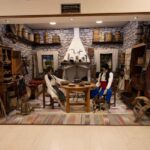
Some days also include an Authentic Ancient House Museum stop (the tour includes entry tickets for it). A small number of experiences report that this didn’t happen as described, so if the museum matters to you, I’d go in with a flexible mindset and be ready to enjoy what you get.
Walking Mostar with a guide: the storytelling can vary
Mostar comes with a local guide component, and that can make the difference between a nice walk and a memorable one. In feedback, I saw names like Adriana, Ana, Emir, Ena, Amer, Igor, and Ivan associated with standout guiding, including personal stories about growing up in Mostar.
That said, history commentary can also reflect the guide’s perspective. One person felt the explanation of Yugoslavia and independence leaned the wrong way for them. My practical advice: if you care about exact political interpretation, use the guide’s notes as a starting point, then ask questions like: What’s the source for that claim? What do locals emphasize today? You’ll learn faster and avoid getting stuck in a debate.
The wine tasting in Mostar: small, local, and not a vineyard tour
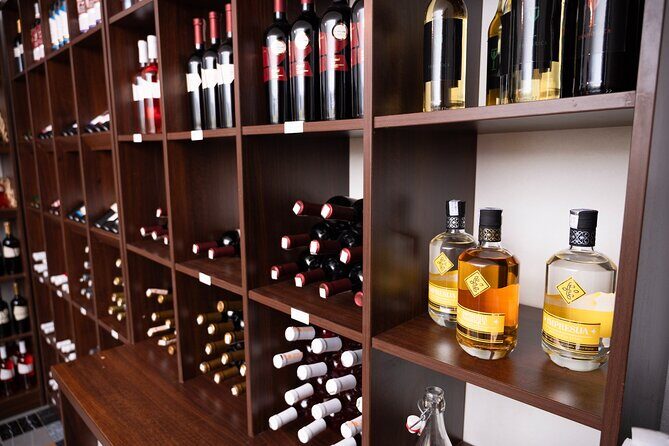
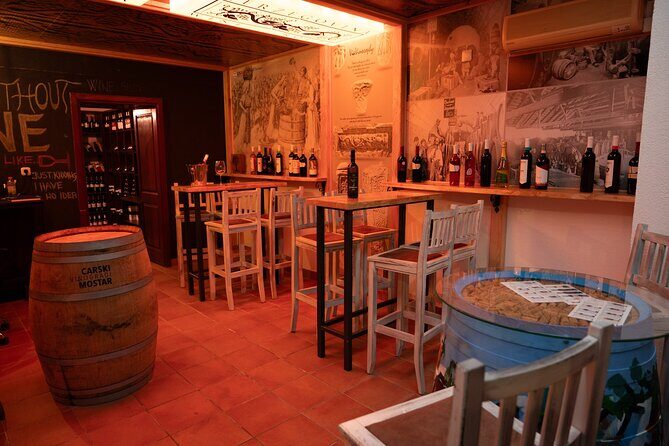
The tour description includes a wine tasting in Mostar—inviting you to taste a glass of local wine after the guided walk. At this price point, understand what that likely means in real life: it’s typically a brief stop, not a full-day winery experience.
A few reviews flagged wine tastings that didn’t feel like a proper tasting—like only one wine, or a very small pour. Others said the wine was very good. Translation: this is a bonus, but don’t build your entire day around getting a long, structured wine session.
What I’d do if wine matters to you: treat it as a sampling moment. Spend your energy tasting Bosnian snacks during the free time too, since food and drinks aren’t included. You’ll get more variety from actually eating on your schedule than from expecting a big tasting lineup.
Your Mostar free time: shop smarter and snack like a local
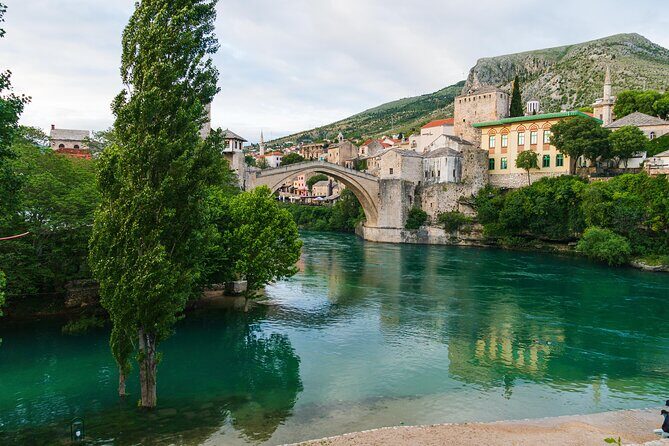
After the guided time, you’ll get free time in Mostar. This is where the trip becomes yours. You can shop, take photos, and stop for Bosnian favorites like cevapi, pita, and burek.
A few practical tips:
- Wear shoes that can handle uneven Old Town ground. You’ll likely do a lot of walking even if the stops aren’t “long” on paper.
- Decide what you want from the bazaar: souvenirs, snacks, or just drifting. If you try to do everything fast, you’ll miss the good corners.
- If you’re hungry, plan your meal before the big Medjugorje segment. You’ll save stress later, because Medjugorje timing can be strict.
Also note: Mostar can attract crowds, even when it’s not peak season. If you want calmer photos, go slower and look for side streets away from the main flow.
You can also read our reviews of more wine tours in Split

Medjugorje: how the Church of St. James and Apparition Hill split your time
Medjugorje is a completely different mood. It’s known for Catholic pilgrimage tied to reported Marian apparitions in 1981. The main draw is Apparition Hill, plus the Church of St. James, where pilgrims can attend mass and take part in other spiritual activities.
Here’s the key practical decision: the tour structure gives you time in Medjugorje, and you can spend it in different ways—either focusing on the church area, walking around town, or going up toward Apparition Hill. Some experiences describe a setup where you’re asked to choose between the church and the hill first, then rotate through afterward. That can be efficient, but it can also feel rushed if you hoped to linger.
Apparition Hill hike: do it only if you’re ready for rocky terrain
The hill is not a gentle stroll. Expect rocky, uneven ground and areas that can feel hazardous on the way down. One practical note from feedback: people suggested running shoes for the climb, and others described the climb as intense and treacherous.
If you go up, my advice is simple:
- Bring footwear with grip.
- Go steady, not fast.
- If you’re short on time, aim for your own definition of success—prayer stops and views, not a speed challenge to reach the absolute top.
Also, rain changes everything. The tour operates in all weather conditions, and I’ve seen feedback mentioning umbrellas provided during storms, but rocky ground + rain is still a combo you’ll feel.
Timing pressure: the trade-off between Mostar and Medjugorje
This is the part that decides whether you love the tour or feel annoyed by it. Mostar tends to be the highlight for many people, while Medjugorje is often the “how much devotion can I fit in” moment.
Some experiences report limited time on the hill or limited time at the church, including missing mass. Others said they were fine with the plan and enjoyed the hill climb experience. My takeaway: decide in advance what matters most to you.
A good rule of thumb:
- If you want the spiritual sit-down vibe, prioritize the church.
- If you want the physical challenge + big views experience, prioritize Apparition Hill.
- If you want both, go in knowing you may not linger long enough for everything, especially if you’re moving slowly or stopping for prayer.
Comfort on the road: drivers matter more than you think
You spend a lot of the day in the van. That’s where a great driver earns their keep. In feedback, names like Antonio, Ivan, Igor, and others came up for being helpful and conversational during the drive. A kind driver also makes delays less stressful—especially around border time.
I also like that the tour is small-group sized, which generally keeps everyone on the same page. When things go wrong, like a missed stop or being separated, it becomes a big deal because the schedule doesn’t have wiggle room to recover.
Price and value: is $90.51 worth it?
At $90.51 per person, you’re paying for a lot of logistics: long-distance transport, guides, and structured time in two destinations that are far enough apart to be annoying solo. You also get inclusion of entry tickets for the Authentic Ancient House Museum and a wine tasting in Mostar per the day plan.
So here’s the value reality check:
- You’re not paying for a luxury day. This is a practical, highlight-driven experience.
- The wine tasting is usually a short add-on. Treat it like a taste, not a centerpiece.
- The big “earned value” is Mostar’s guided walk plus the Old Bridge landmark experience, then your personal time in Medjugorje.
If you want a long, slow, all-inclusive Bosnia deep dive, this price and format probably won’t satisfy you. But if you’re okay with a packed schedule and want a real first impression of both towns, it’s a strong deal.
Who should book this tour from Split or Trogir?
This tour fits best if you:
- Want to see Mostar and Medjugorje in one day without arranging separate transportation.
- Enjoy guided city context in one place and then self-paced time in another.
- Are comfortable with a short day of walking, plus the possibility of a steep rocky climb at Apparition Hill.
You might skip it if you:
- Want lots of time in Medjugorje to attend mass without pressure.
- Expect a full vineyard-style wine experience.
- Have mobility limits that make rocky terrain difficult.
And one last “save your day” tip: pack for walking more than you think you will. Even with a guided plan, you’ll be on your feet.
Should you book this Mostar and Medjugorje day tour?
I’d book this if you want a focused taste of Bosnia that doesn’t require planning two separate trips. Mostar’s Old Bridge walk is the anchor, and the Mostar free time gives you room to eat and browse in a way that feels more local than most checklist tours.
But book smart. Bring your passport, keep some €5 cash ready, wear grippy shoes, and decide ahead of time whether you want to prioritize the church or Apparition Hill in Medjugorje. If you’re honest about that trade-off, you’ll get a memorable day—history, food, and devotion—wrapped into one smooth, if fast, itinerary.
FAQ
How long is the Mostar and Medjugorje tour from Split/Trogir?
The duration is about 10 hours, with transfer times that can vary depending on the time of day and traffic.
Where does pickup happen?
Pickup is offered in front of your hotel about 30 minutes before the tour starts. If the pickup time changes, you’ll be informed one day before the tour.
Does the tour include a wine tasting?
Yes. In Mostar, you’re invited to taste a glass of wine after the guided tour.
Is the museum in Mostar included?
Yes. Entry tickets for the Authentic Ancient House Museum are included.
Are food and drinks included?
No. Food and drinks are not included in the tour.
Do I need a passport?
Yes. A current valid passport is required because the tour crosses into Bosnia and Herzegovina.
Is there a border crossing fee?
Yes. There is a €5 per person border crossing fee, and it’s accepted as cash at the meeting point.
What language is the tour offered in?
The tour is offered in English.
Is the group small?
Yes. The maximum group size is 20 travelers.
What if I need to cancel?
You can cancel for a full refund with free cancellation up to 24 hours in advance of the experience start time.