REVIEW · FOOD & DRINK
Food Tour in Split ( Small Group)
Book on GetYourGuide →Operated by Beautiful Day Travel Agency · Bookable on GetYourGuide
Small bites, big Split context. This small-group food walk ties together markets, family shops, and the historic streets of Split, with a guide who grew up in the old town. The goal is simple: you taste local food with roots in everyday life, then you understand how the city shaped the flavors over time.
I like that the tastings aren’t random. You start at the Green Market for traditional staples like prosciutto, cheese, and soparnik, then you keep moving while the guide explains what locals eat and why. I also like the guide format: you’re with a limited crowd (10 people max), so you get real conversation, not a lecture.
One thing to plan around: if you’re traveling in a slower season, some of the places stop running, and you might find certain restaurants closed. It doesn’t ruin the tour, but it can shift what’s available on the day.
In This Review
- Key things you’ll notice on this Split food tour
- Entering Split through the Green Market
- Peristyle and palace walls: the history that shapes the food
- Burek at a local-style spot in the old streets
- Split Fish Market: seeing the Mediterranean in motion
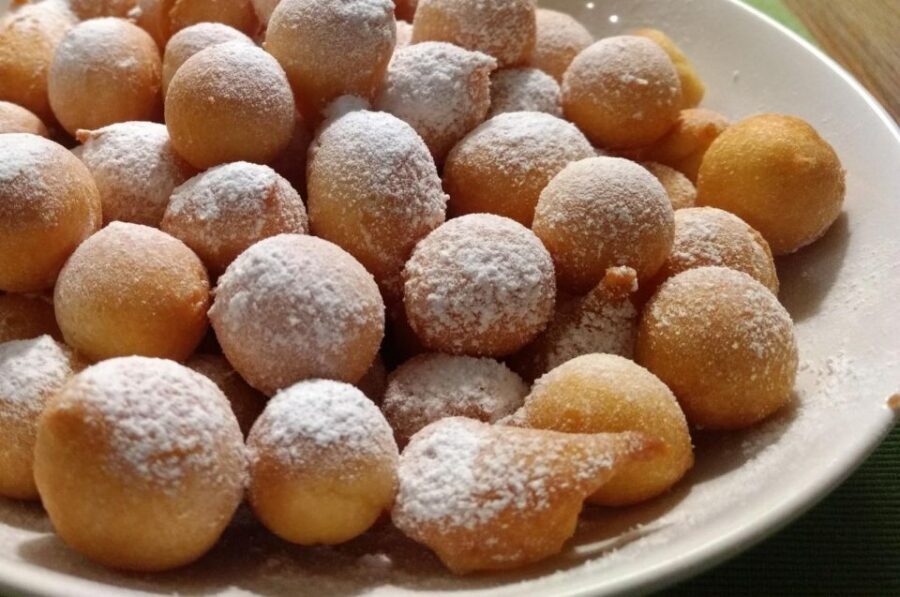
- The sweet finish: fritula from a family shop
- What makes the small group format worth it
- Food included, so the price makes sense
- Who this tour is best for
- Should you book this Split food tour?
- FAQ
- How long is the Split Food Tour in a Small Group?
- Where does the tour start and where does it end?
- How many people are in the group?
- Is the guide available in English?
- What food is included?
- What are the main places you visit for tastings?
- Is there free cancellation?
Key things you’ll notice on this Split food tour
- Small-group feel (10 people max) for easier questions and calmer pacing
- Green Market first, so you taste the local baseline right away
- Diocletian’s Palace Peristyle stop where food stories connect to city history
- Burek in the center of Split, not a touristy substitute
- Split fish market tasting, guided so you know what you’re looking at
- Family sweets finish (fritula) so you end with something unmistakably local
Entering Split through the Green Market
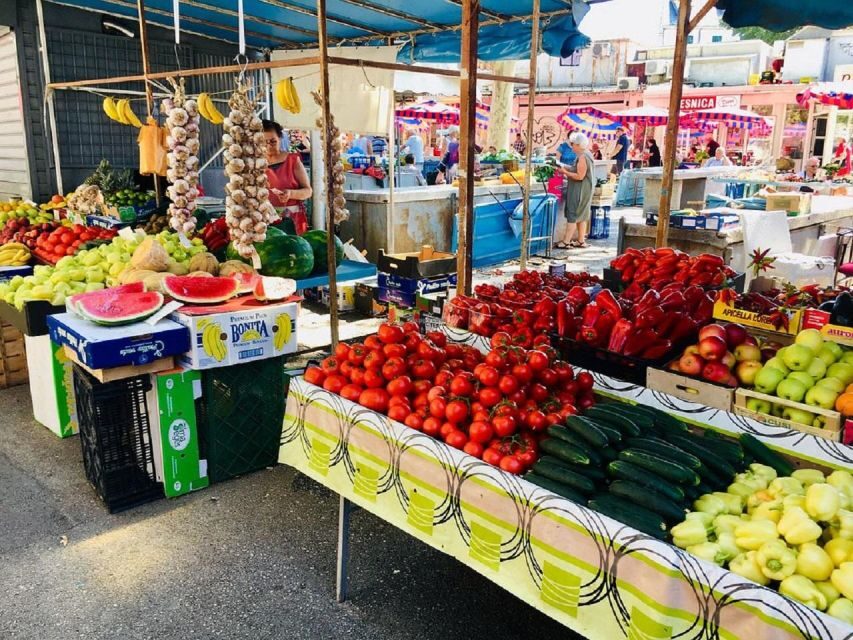
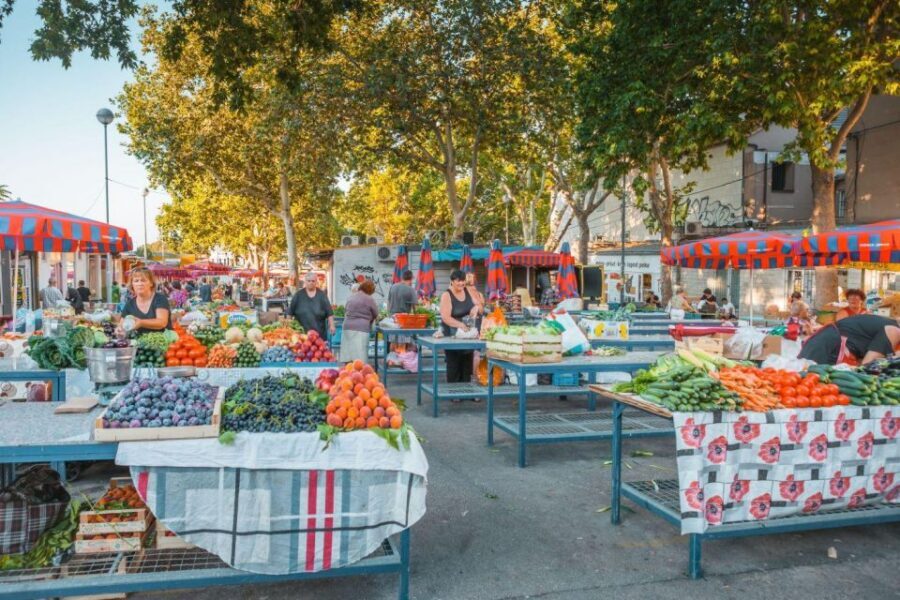
The tour kicks off in the old town area, meeting by St. Dominic Church, just across from the Silver Gates of Diocletian’s Palace. From there, you head straight to the Green Market near your start point. This is the kind of place that gives you instant context: farmers and producers from the surrounding villages sell home-made food, so you’re tasting what locals shop for, not what’s only made for visitors.
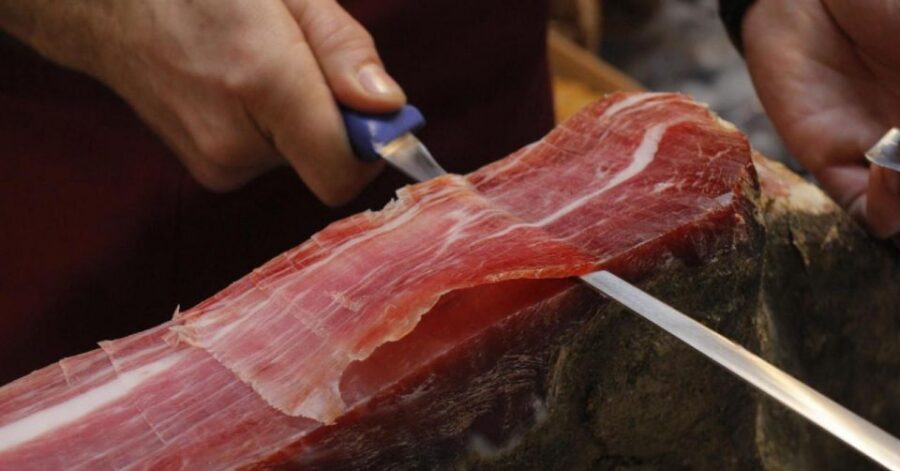
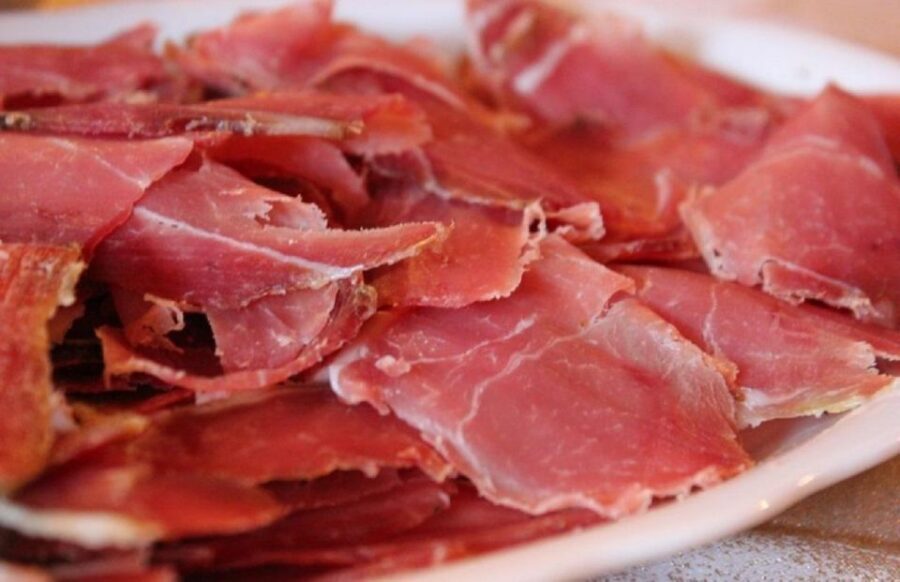
You’ll sample traditional items that anchor the regional pantry. Expect stops that feel like a best-of plate of everyday Dalmatian flavors, including prosciutto and cheese. You’ll also try soparnik, a spinach-filled pastry that locals treat as classic comfort food. The big advantage here is timing. Eating early means you can taste, ask questions, and then carry that flavor memory with you as the tour moves into the palace and the older lanes.
Pacing matters too. The market time is set aside (about 30 minutes), which is long enough for real tasting but not so long you lose the thread. If you tend to get hungry easily, this first stop is a smart design choice.
You can also read our reviews of more food & drink experiences in Split
Peristyle and palace walls: the history that shapes the food
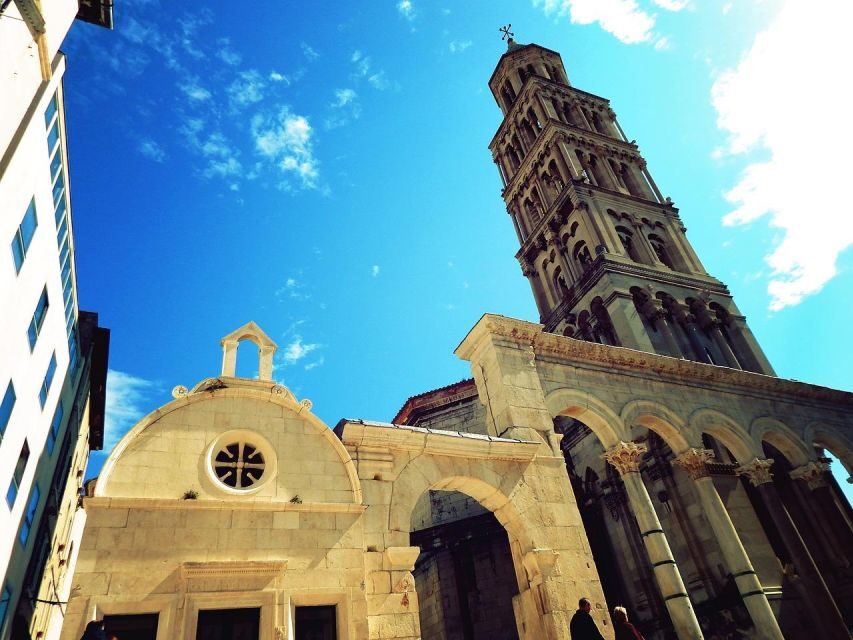
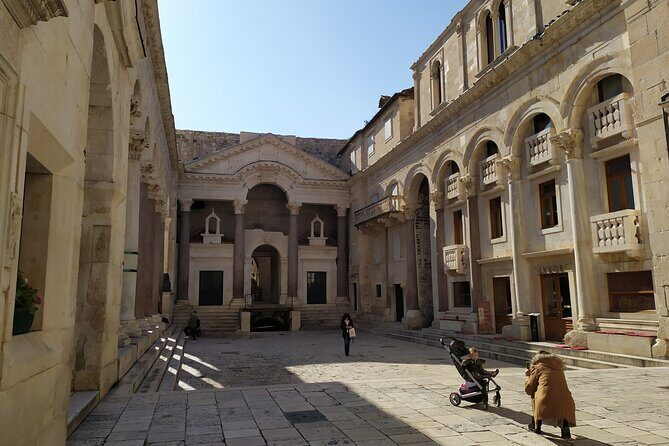
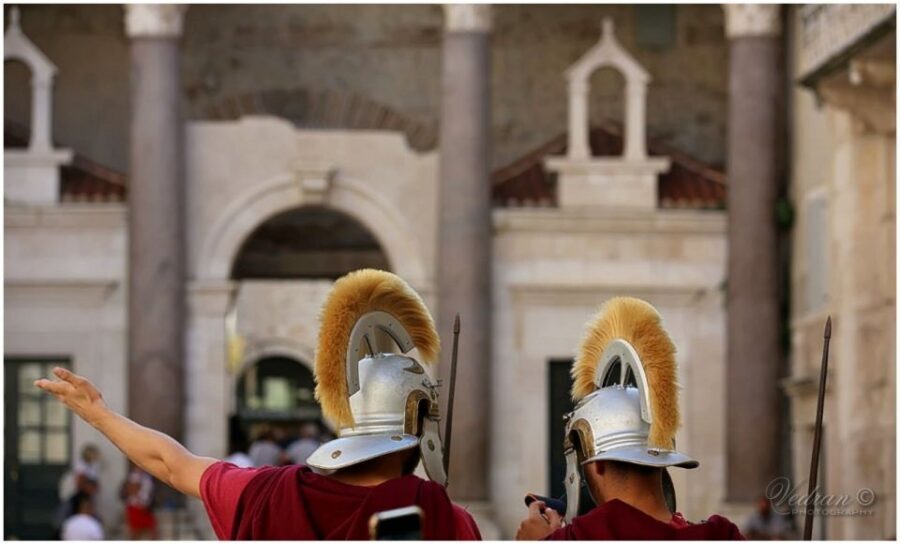
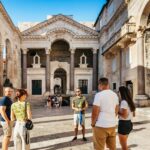
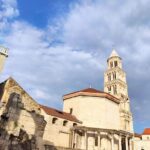
After the Green Market, you walk to the Peristyle, the imperial square inside Diocletian’s Palace. This is where the tour earns its credibility. Instead of treating history like decoration, the guide uses the setting to explain how Split’s past shows up in what ends up on plates today.
You’ll get a guided explanation right there in the space, while you’re surrounded by the scale of Diocletian’s complex. That makes the story stick. When a guide connects cultural influence and local habits to specific foods, you don’t just memorize facts. You start noticing patterns: what’s preserved from older traditions, and what blends in over time because of trade, rule, and migration.
This stop also gives your feet a breather without breaking the momentum. You’re still walking, still moving between tastings, but the Peristyle moment slows the pace just enough to reset your brain.
Burek at a local-style spot in the old streets
Next comes a rarer kind of meal stop: a place in the center of Split that keeps its authentic character and draws locals, not just tour groups. You’ll try burek, a spiral-baked pastry made from layers of filo filled with savory fillings.
What I like about how this is handled is that it tells you how the food works. Burek isn’t just described as a pastry; you learn that it’s wrapped and baked hot, with layers that turn crisp outside and tender within. On the tasting, you’ll be able to try minced meat and cheese fillings, which makes it easy to compare flavors without needing to order a whole meal.
Practical tip: burek is satisfying, but it’s also a little filling. If you arrive here starving from the market, you’ll feel like you could keep eating. If you’re prone to getting too full too fast, pace yourself on the bites and save your appetite for the next market segment.
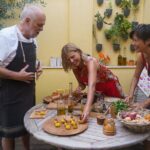
This is also one of the places where the guide style really shows. People like Deedee and Bruno are described as friendly and relaxed, and that matters because it turns a food stop into an actual conversation about what you’re tasting and where it fits in local life.
Split Fish Market: seeing the Mediterranean in motion
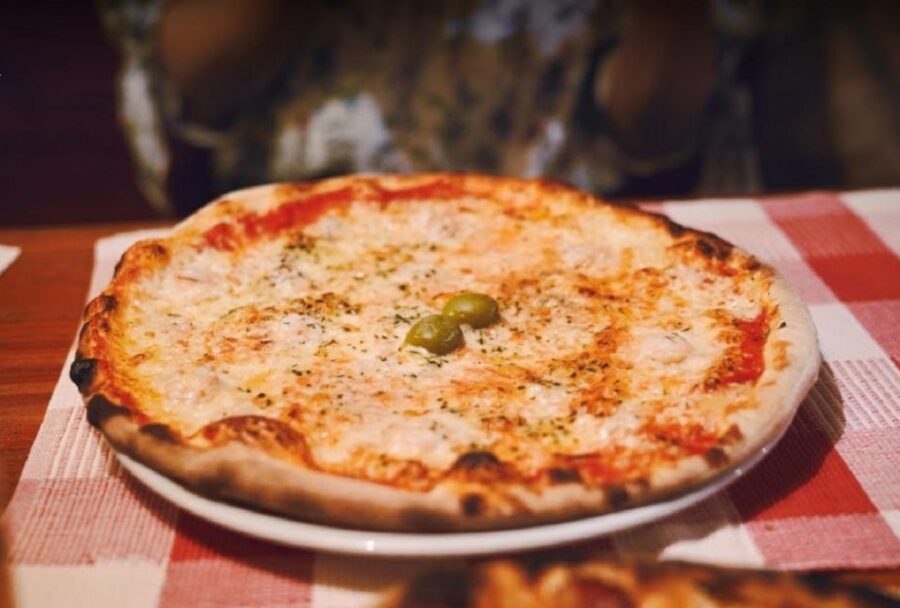
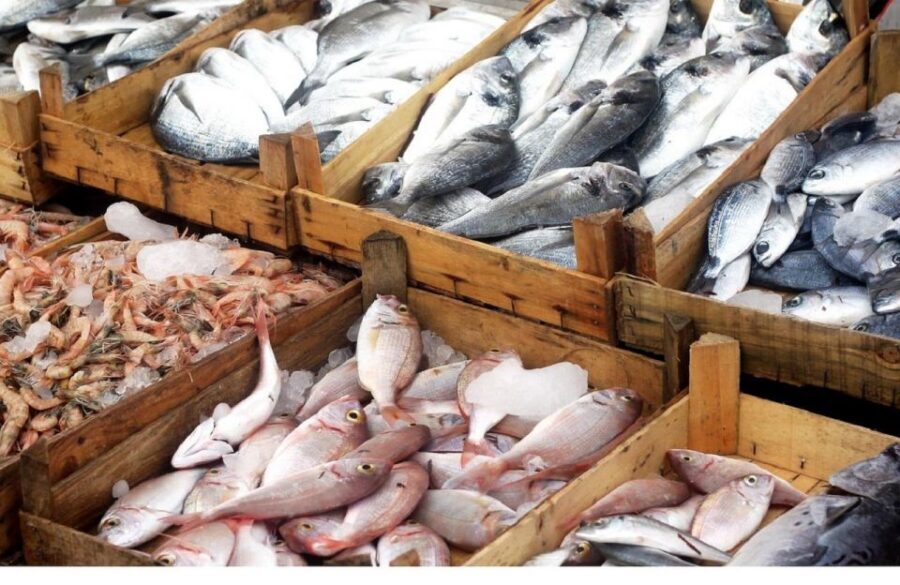
Then you head to the Split Fish Market, one of those locations where the atmosphere does part of the work for you. You’ll feel the energy of a Mediterranean market setting, and your guide uses that environment to explain local habits and influences that shaped the food culture.
You’ll also do a tasting here, though the exact menu isn’t spelled out in advance. So think of this stop as a guided “watch and taste” experience. You’ll get the context to understand what makes fish-market food work: freshness, simple preparation, and the way people build meals around what’s available and what’s in season.
The value of this part isn’t only eating. It’s learning how locals read a market. Once you’ve watched the bustle and heard what your guide points out, you start understanding why some dishes in coastal Croatia feel so straightforward yet so satisfying.
If you’re the kind of traveler who cares about food beyond the final bite, this is the stop that usually makes people remember the tour. It’s not polished or staged. It’s real life.
The sweet finish: fritula from a family shop
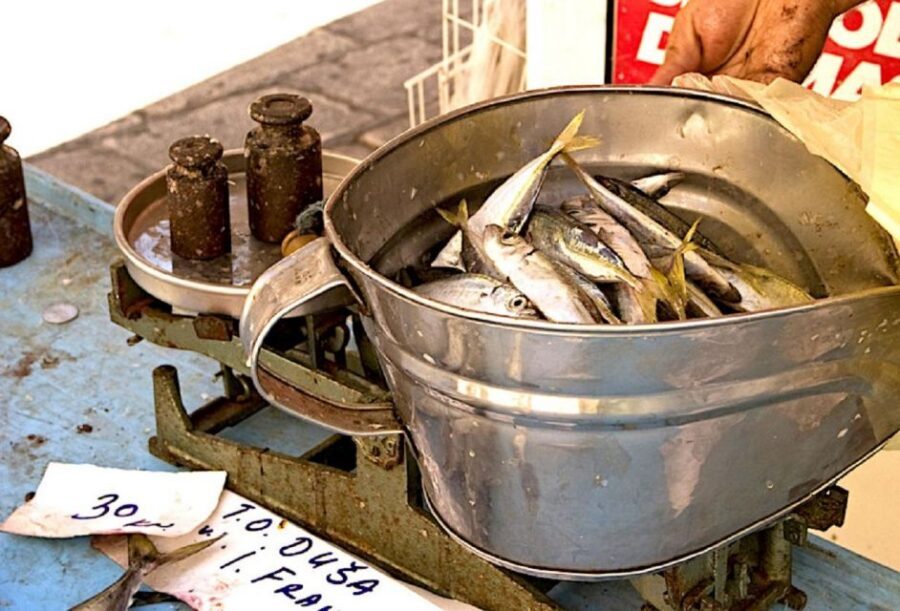
You end with traditional sweets at a family shop specializing in local confections. The highlight is fritula, a homemade-style treat you’ll likely not find in the same way outside the region.
This last stop matters because it balances the meal structure. Your tour includes savory tastings from markets and bakeries, plus burek and market bites. Ending with something sweet keeps the experience from feeling like a nonstop snack sprint. You’ll taste something made with craft and tradition, and it gives you an easy souvenir-quality flavor memory even after you’re done.
The finishing point is near Narodni trg, and the tour returns to the start area overall, so you’re not stuck far from where you began. It’s a clean loop through the old town.
You can also read our reviews of more tours and experiences in Split


What makes the small group format worth it
This tour caps at 10 participants, which changes the experience more than most people expect. At larger group sizes, food tours often feel like a schedule. Here, you can ask small questions while the guide is still in “explain mode,” especially about history and why certain foods show up where they do.
It also makes the tastings easier to manage. You’re not competing with a crowd for plates, and your guide can adjust pacing if someone needs a moment or wants a second look at the stalls.
Guides are a big part of this. Multiple guides have been highlighted by name, including Deedee, Bruno, and Gita. The common thread in their descriptions is warmth and a focus on local context. It’s not just what you taste; it’s the way the guide ties it back to Split’s streets, habits, and influences.
Also, the tour runs in English with a live guide, which is a real practical benefit if you want the details, not just the flavor.
Food included, so the price makes sense
At $94 per person for about 2.5 hours, this tour isn’t a bargain in the “cheap bites” category. But it is good value because the important thing is included: all food you’ll taste plus a professional guide.
To judge value, focus on what you’re getting rather than the headline price. For this length of time, you’re not just eating one item. You’re tasting across multiple styles and places: market staples, pastries like burek, market food, and sweets like fritula. And you’re getting the palace-side history connection, not a simple walking route with no story.
If you normally spend a lot on meals in tourist zones, this can feel more efficient than buying individual portions one by one. It also saves you the guessing game of where to go in the old town when you want authentic food.
Who this tour is best for
This experience is a great fit if you want Split food with context. You’ll likely enjoy it most if:
- You like seeing how local culture shows up in food, not just eating for the sake of calories
- You want a plan for tasting across several classic Split stops in one go
- You prefer a calmer group size with room for questions
- You’re curious about the connection between Diocletian’s Palace and everyday gastronomic traditions
If you only want a single meal and don’t care about history or market explanations, you might feel the structure is too narrative. But if you’re the type who enjoys learning while eating, this format clicks.
Should you book this Split food tour?
Yes, if your goal is authentic Split flavors plus real guidance. The combination of Green Market tastings, a palace-history moment at Peristyle, a burek stop in the center, fish market sampling, and a sweet ending with fritula gives you a rounded picture of the local food culture in just 2.5 hours.
Before you book, keep one caution in mind: some restaurants can be closed depending on season. If your dates line up with a quieter time, treat it as extra reason to arrive with flexibility.
FAQ
How long is the Split Food Tour in a Small Group?
The tour lasts about 2.5 hours.
Where does the tour start and where does it end?
It starts in front of St. Dominic Church, across from the Silver Gates of Diocletian’s Palace. The tour ends back at the meeting point, with the final stop near Narodni trg.
How many people are in the group?
It’s a small group limited to 10 participants.
Is the guide available in English?
Yes. The live tour guide speaks English.
What food is included?
All food you taste during the tour is included.
What are the main places you visit for tastings?
You’ll visit the Green Market, a local place for burek, the Split Fish Market, and finish at a local bakery/sweet shop for traditional sweets like fritula.
Is there free cancellation?
Yes. You can cancel up to 24 hours in advance for a full refund.