REVIEW · SPLIT
Walk through Split with an archeologist
Book on Viator →Operated by Antonjeta Vulić Bilobrk · Bookable on Viator
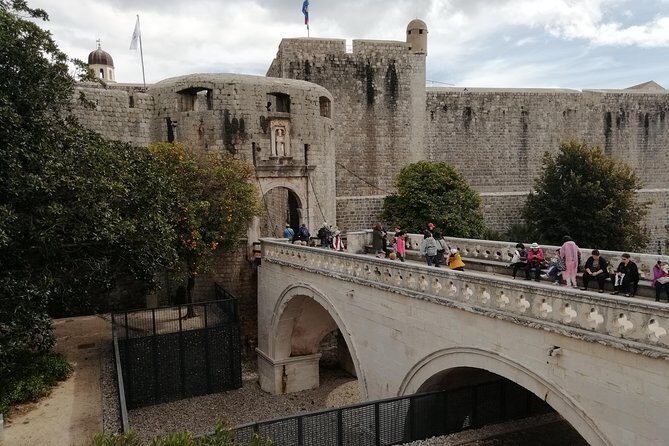
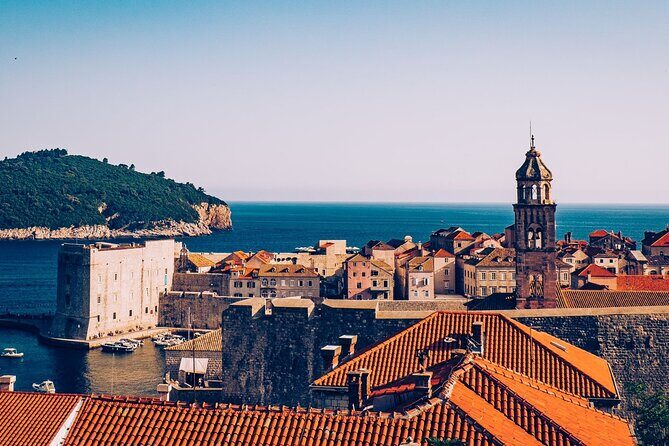
Split is a maze; this walk keeps you straight. This tour focuses on major moments inside and around Diocletian’s Palace, with quick stops that help you connect what you’re seeing to what the site used to be. You get an archaeologist-style guide in a small group, so you’re not just taking photos—you’re learning how Split grew from Roman walls into a living city.
I love two things most: the small group size (max 10), which keeps questions from getting lost in a crowd, and the mix of paid and free sights so you can plan your budget. One thing to consider: admission tickets are not included for two of the palace stops, so you’ll likely want to bring a little extra money for entry where required.
In This Review
- Key things to know before you go
- Starting at the Gregory of Nin Statue: your route begins with orientation
- Peristyle of Diocletian’s Palace: the “big room” that sets the tone
- Vestibulum of Diocletian’s Palace: learning to see the palace through the entrances
- Roman substructures under the palace: the best-preserved bit you can access for free
- Narodni Trg: the medieval square that balances the Roman focus
- Why the max of 10 travelers makes a real difference
- The 2-hour format: efficient sightseeing without the marathon feeling
- English guidance and the mobile ticket: practical details that keep it simple
- Price and value: is $23.67 worth it?
- Who this Split walking tour suits best
- What I took from the guide experience (Antonjeta’s style)
- Should you book this Split walking tour with an archaeologist-style guide?
- FAQ
- How long is the Split walking tour?
- Where do I meet the guide?
- Is the tour offered in English?
- Are admission tickets included?
- How large is the group?
- Is there a mobile ticket?
- What’s the cancellation policy?
- Is it accessible for everyone?
Key things to know before you go
- Max 10 travelers keeps the pace friendly and personal.
- Antonjeta Vulić Bilobrk leads the walk in English.
- Some entrances are ticketed, some are free, so check what’s covered for your visit.
- 2 hours approx. means it’s efficient, not slow and dreamy.
- You start at the Gregory of Nin Statue, an easy landmark to find.
- The route mixes Roman palace spaces with a medieval square to show the timeline in one walk.
Starting at the Gregory of Nin Statue: your route begins with orientation
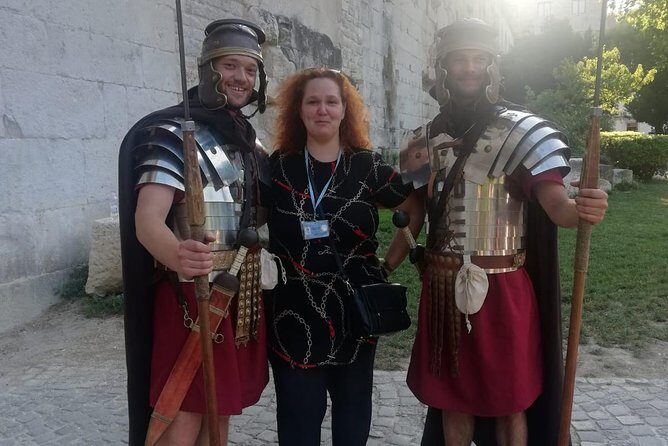
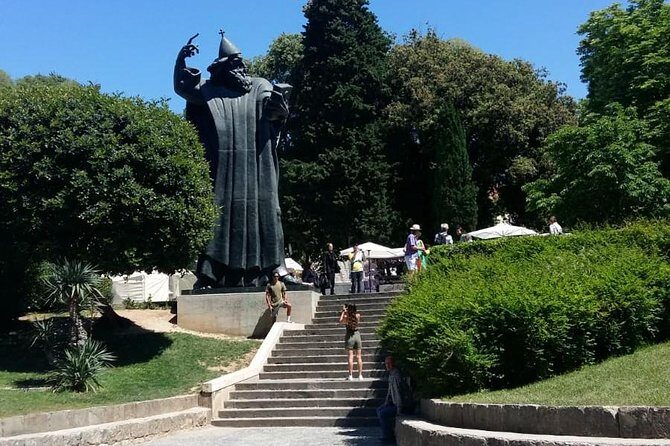
You’ll meet by the Gregory of Nin Statue (Ul. kralja Tomislava 12, 21000 Split). This matters more than it sounds. That area is a practical starting point because it gives you a clear “where am I?” reference before you start weaving through tighter historic streets.
From there, the walk is built to reduce the classic Split problem: you can absolutely get turned around here if you rely only on your phone. With a guide leading the way, you’re free to focus on details instead of constantly checking maps.
You can also read our reviews of more tours and experiences in Split.


Peristyle of Diocletian’s Palace: the “big room” that sets the tone
The first stop is the Peristyle of Diocletian’s Palace, around 10 minutes, and admission is not included. The peristyle is essentially the palace’s grand open-courtyard concept—think space that helps you understand the power and layout of the complex. Even if you’re not a walking-architecture person, this kind of stop helps you “read” what you’re looking at.
In a short time, the guide’s job is to give you handles: what the space is for, how it connects to nearby areas, and what clues to watch for as you move. This is the stop where I’d pay the most attention, because it’s the easiest to get wrong when you’re just passing through on your own.
Potential drawback: since the ticket isn’t included here, you’ll want to factor in the time and money needed for entry before you start.
Vestibulum of Diocletian’s Palace: learning to see the palace through the entrances
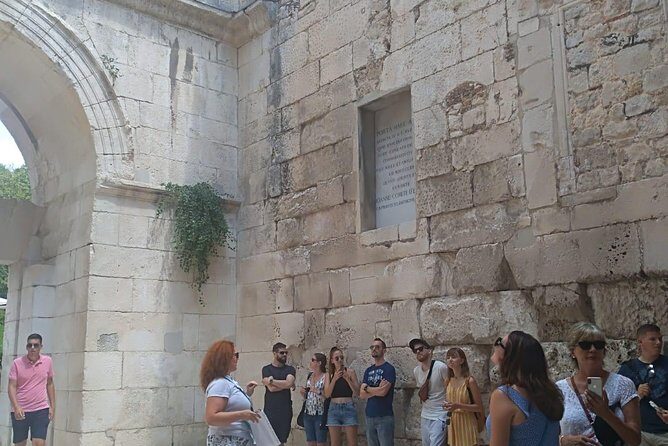
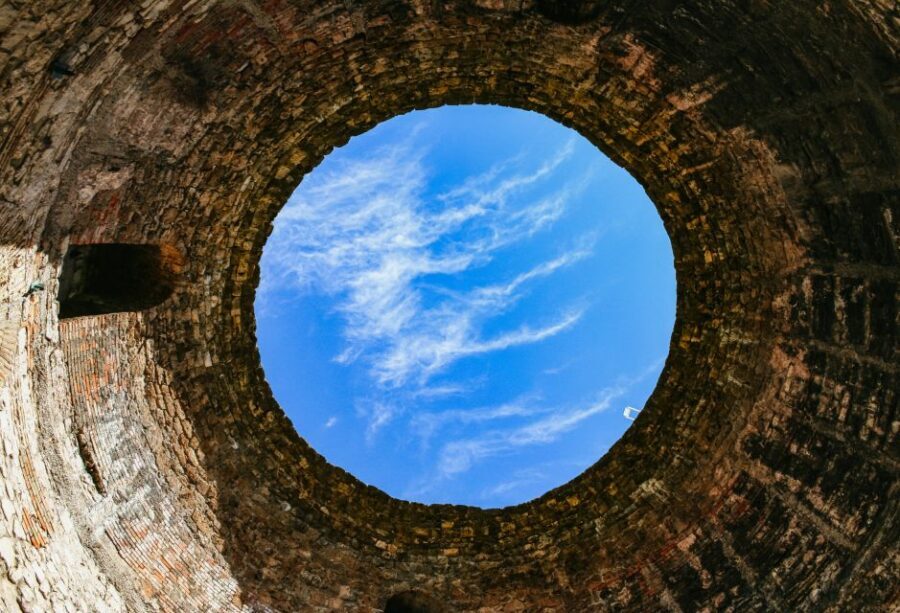
Next is the Vestibulum of Diocletian’s Palace, also about 10 minutes, with admission not included. This stop is more about perspective than spectacle. A vestibulum is an in-between space—an access area—so it’s useful for understanding how people would move from outer parts of the palace toward more private or official zones.
What I like about this portion is that it encourages you to notice transitions: how doors, corridors, and thresholds change the feel of a building. That’s where a good guide earns their keep. Instead of listing facts, they help you connect structure to function.
Again, the admission ticket not included note is important. If you hate paying surprise extras mid-tour, check entry requirements ahead of time so the experience stays smooth.
Roman substructures under the palace: the best-preserved bit you can access for free
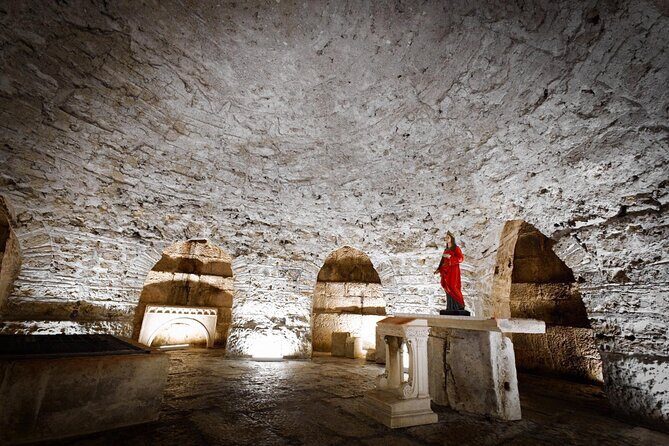
The tour then heads into the Diocletian Palace Substructures for about 10 minutes. This is one of the big wins: admission is listed as free here, and the substructures are described as among the best preserved Roman substructures that carry the city of Split.
I love these kinds of stops because they do two things quickly:
1) they show you the “older layers” of the city, and
2) they make the palace feel less like a museum label and more like the infrastructure of real life.
Even in a brief visit, substructures tend to change your sense of scale. You’re not just looking at the top-level story anymore—you’re seeing what’s underneath, which often makes the rest of the palace make more sense.
If you’re trying to stretch value, this is the part that keeps the tour budget-friendly.
Narodni Trg: the medieval square that balances the Roman focus
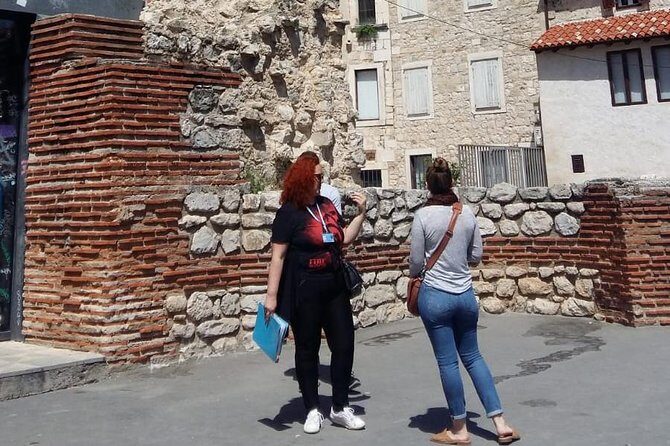
After the Roman-heavy stops, you’ll end up at Narodni Trg, a lovely medieval square, about 10 minutes. This is where the tour shifts from “ancient palace rooms” to “how the city breathes today.”
Squares are useful on walking tours because they give you a pause. They also help you practice what you learned: you can look at how a medieval space sits next to much older architecture and feel the timeline layering in front of you rather than in a textbook.
Admission is listed as free, so there’s no cost friction at the finish. It’s a good way to land the tour with something pleasant and easy to absorb.





Why the max of 10 travelers makes a real difference
The tour caps at 10 travelers, which I really appreciate for historic walking tours. Big groups can turn “guided” into “audible background noise,” especially when you’re moving through tight areas like palace interiors and entrances.
With a smaller group, you’re more likely to get direct answers to your questions, and the guide can keep everyone moving at a reasonable pace. It also means you can pay attention to what matters—small cues, not just major landmarks.
If you like photo stops, small groups help there too. You’re less likely to feel rushed out of every spot just to keep up with a long line.
The 2-hour format: efficient sightseeing without the marathon feeling

This is listed as 2 hours (approx.). That’s long enough to cover multiple meaningful stops, but short enough that you won’t burn your whole day just to get a feel for Split’s history.
The schedule is built around quick, focused visits—each stop is around 10 minutes. That approach is ideal if you want structure and context more than lingering and wandering on your own. If you’re the type who needs lots of quiet time inside buildings, you might find the pace brisk, but you’ll still come away with a clearer map of what’s worth revisiting later.
English guidance and the mobile ticket: practical details that keep it simple
This experience is offered in English. That’s a big deal in Split, where you’ll often hear multiple languages in the old town, and it can be hard to tell what’s going on unless the guide is speaking your language clearly.
You’ll also receive a mobile ticket, and confirmation is received at booking. I like mobile tickets because they reduce the need to juggle printed papers, especially when you’re walking and checking in on the go.
Also worth noting: the meeting point is near public transportation, so you’re not trapped into one travel plan.
Price and value: is $23.67 worth it?
At $23.67 per person for about 2 hours, the value depends on how you like to travel.
Here’s how I’d think about it:
- You’re paying for a guided route that prevents getting lost and gives you context at several key points connected to Diocletian’s Palace.
- Not everything is paid—substructures and Narodni Trg are free, which helps the overall cost feel more reasonable.
- Two stops (the Peristyle and the Vestibulum) list admission as not included, so you may spend extra on entries depending on current local requirements.
So yes, for me the tour makes sense when you want more meaning than just wandering. If you’re the kind of traveler who loves studying ruins solo and you already know what you’re looking for, you might skip the guide and use that money for other activities. But if you want the history explained in plain language while you walk, this price is pretty fair for a small-group format.
Who this Split walking tour suits best
This is a strong match if you:
- care about history and culture and want to connect details to the bigger story,
- prefer a guided route so you don’t waste time guessing,
- like small groups and direct interaction,
- want a manageable time commitment that won’t swallow your whole day.
It also helps if you’re walking-friendly and okay with quick transitions between stops. If your ideal pace is slow, sit-down, and read-every-plaque, you might still enjoy it—but you’ll likely want extra time afterward to revisit your favorite spots at leisure.
What I took from the guide experience (Antonjeta’s style)
Both high ratings mention Antonjeta Vulić Bilobrk as the guide, and the consistent theme is that she explains details clearly while guiding you through the palace spaces. That’s exactly what you want here: Diocletian’s Palace can look impressive but confusing at street level. A guide who can connect what you’re seeing to the site’s layout and purpose helps your photos and your memory make more sense.
One review also highlighted that the tour felt especially good in quieter timing because you get more time to linger and look around. That aligns with the idea of small group value: when the city is less crowded, you can actually enjoy the stops rather than just hit them like checkboxes.
Should you book this Split walking tour with an archaeologist-style guide?
I’d book it if your goal is to get oriented fast and learn how Split’s Roman foundation connects to what you see today. The standout advantages are the small group, the structured route through major palace areas, and the practical balance of ticketed and free stops.
Skip it or reconsider only if you:
- hate paying extra admission at two of the sites,
- need very slow pacing,
- already feel confident reading Diocletian’s Palace and don’t need a guide.
If that all sounds like you, you’ll probably find this tour a solid use of two hours in Split—enough time to learn, not enough time to get bored.
FAQ
How long is the Split walking tour?
The tour lasts about 2 hours.
Where do I meet the guide?
You’ll meet at the Gregory of Nin Statue, Ul. kralja Tomislava 12, 21000 Split, Croatia. The tour ends back at the meeting point.
Is the tour offered in English?
Yes, the tour is offered in English.
Are admission tickets included?
Admission is not included for the Peristyle of Diocletian’s Palace and the Vestibulum of Diocletian’s Palace. Admission is listed as free for the Diocletian Palace Substructures and Narodni Trg.
How large is the group?
This activity has a maximum group size of 10 travelers.
Is there a mobile ticket?
Yes, you receive a mobile ticket.
What’s the cancellation policy?
You can cancel for a full refund up to 24 hours in advance of the experience start time. If you cancel less than 24 hours before the start time, the amount paid isn’t refunded.
Is it accessible for everyone?
Service animals are allowed, it’s near public transportation, and most travelers can participate.