REVIEW · SCUBA DIVING
Try Scuba Diving in Split
Book on Viator →Operated by Open Water Croatia · Bookable on Viator
First-time scuba in Split can feel surprisingly calm. This intro scuba try-out is built for comfort: you get all equipment and a professional instructor handles the safety briefing and coaching, plus you can add hotel pickup at a time that suits you. The big downside to plan around is that it needs good weather and you should have a moderate physical fitness level for getting suited up and staying comfortable in the water.
What I like most is how efficient it is. You meet at Put Trstenika 8 in Split at 9:00 am, go straight to the water area, practice, explore, then head back to the same point. With a maximum of 4 travelers and instruction in English, it’s a low-stress way to test whether you want more water time later.
In This Review
- Key highlights worth knowing
- Why Split is a smart pick for an intro scuba try-out
- Price and value: what $156.18 really covers
- Your morning flow: 9:00 am start in Split with optional hotel pickup
- Open Water training: what happens before you go underwater
- Exploring the underwater world: sights, depths, and the fun factor
- Gear, photos/videos, and your diploma: take-home value that’s more than paperwork
- Small group size (up to 4) and why it changes everything
- Weather, fitness, and who should book this right now
- Should you book this intro scuba try-out in Split?
- FAQ
- How long is the scuba try-out in Split?
- What is the price per person?
- Is hotel pickup available?
- Where do we meet, and when does it start?
- What’s the maximum group size?
- What language is the experience offered in?
- What’s included in the price?
- Are food and drinks included?
- Are children allowed?
- What happens if the experience is canceled due to poor weather?
Key highlights worth knowing
- Max 4 travelers means real attention from the instructor, not a crowded experience.
- Equipment, photos/videos, and a diploma are included so you don’t pay extra later.
- Hotel pickup is flexible if you want less scrambling on the morning of your session.
- Open Water practice is structured for first-timers with safety rules, coaching, and a gradual progression.
- Instructors you might meet include Vladimir, Alina, Sergey, and Svetlana (all described as patient and supportive).
Why Split is a smart pick for an intro scuba try-out
Split is one of those places where the water feels like part of the city, not a far-off adventure. The underwater experience here is the main event: Croatia’s Adriatic coast lets you see plenty up close once you’re comfortable.
This course is aimed at people who have never done anything like it before. You’re not expected to arrive “knowing the gear.” Instead, you get geared up on-site and guided through the process step by step. If you’re the type who likes clear instructions and a calm pace, you’ll probably feel at ease quickly.
I also like the practical side: you don’t need to plan your whole day around complicated logistics. Pickup is available, the group stays small, and the whole thing runs about 3 hours. For a short trip to Split, that’s a real advantage. You get your underwater moment, then you’re back in town to enjoy everything else.
You can also read our reviews of more tours and experiences in Split.


Price and value: what $156.18 really covers
At $156.18 per person, this isn’t a “snack-and-a-show” activity. But when you look at what’s included, the price starts to make sense for a first-timer.
You’re getting:
- a professional instructor
- necessary equipment
- pictures and videos
- a diploma
Those are the costly parts when you try to build this experience on your own. Gear rental can add up fast. So can paid instruction time, and photos are often extra with other activities. Here, you’re paying for a complete package designed to get you safely into the water and keep the experience memorable afterward.
The only major things you should budget separately are food and drinks, since they’re not included. If you plan a simple snack-and-water schedule before the start, you’ll avoid any awkward mid-activity hunger.
Your morning flow: 9:00 am start in Split with optional hotel pickup
The start time is 9:00 am, and the meeting point is Put Trstenika 8, 21000, Split, Croatia. The good news is that it’s also near public transportation, so you’re not locked into a car or a long taxi run.
If you want things easier, hotel pickup is available at a time and location of your choice. That matters more than it sounds. For a first underwater session, you want to spend your energy on staying relaxed and listening, not on finding the right street and arriving flustered.
The group is small (up to 4), so you’re unlikely to wait around forever. Typically, once everyone is together, you head to the water area, get the rules and setup explained, and then start your practice. You’ll return back to Split after the session, ending at the meeting point.
Open Water training: what happens before you go underwater
This part is the whole point of the course. Before you’re underwater for real, you’ll get:
1) a briefing on the details and safety rules
2) time to get geared up
3) guided instruction so you understand how to breathe and move with the equipment
The goal is confidence. First-timer sessions like this usually focus on basic control: breathing, comfort, and simple movements. One reason people feel safe during this kind of training is that the instructor doesn’t just hand you gear and hope for the best. You’re taught what to do and what to expect.
You also learn the behavior that makes the experience easier on you and safer for everyone. That includes how to listen for cues, how to stay calm, and how to follow the instructor’s pace. If you tend to get nervous in new situations, you’ll probably appreciate that the team described a calm, attentive style, with instructors like Vladimir and Svetlana noted as especially reassuring.
If you’ve ever tried a new sport and felt rushed, this course is a good antidote. The structure is designed to give you time to get comfortable before going lower.
Exploring the underwater world: sights, depths, and the fun factor
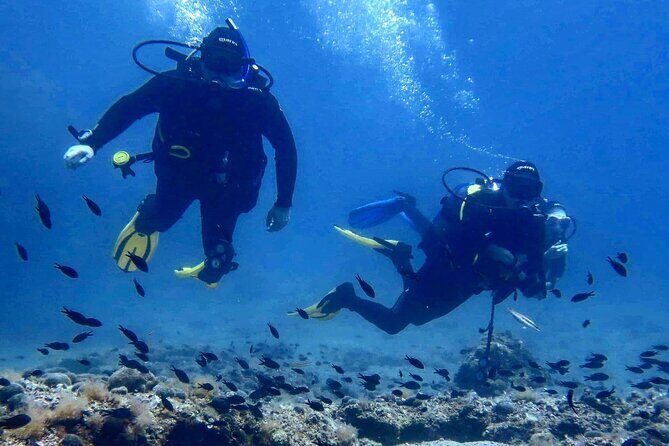
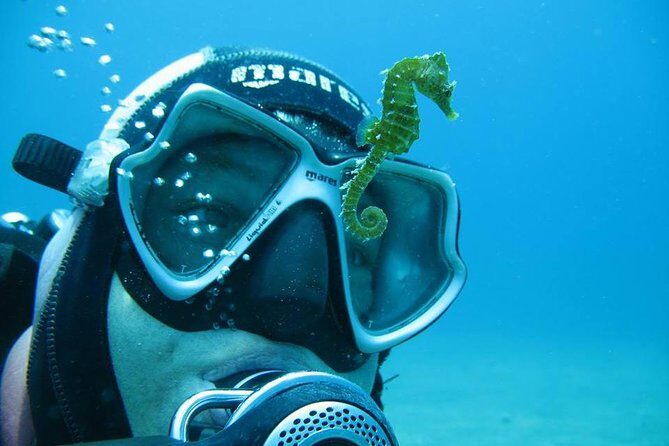
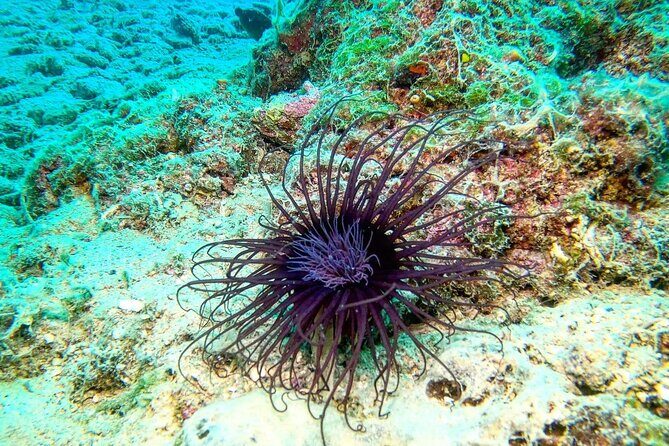
After the briefing and your initial practice, you’ll start exploring the open water. What you can see depends on conditions, but the kinds of things described include schools of fish and surprises like octopus, starfish, and coral. That’s what makes this more than just a training session. You’re not only learning how to breathe in a new way; you’re also using that skill to look around.
Depth progression is gradual for first-timers. In prior experiences with this course style, many people describe starting with gentle practice and then moving to a controlled shallow range (often around 5–6 meters). When everything feels steady, the instructor may guide you lower, with some reaching closer to 9 meters at the end of the progression.
One thing I find genuinely appealing: the experience can include playful visual moments. People have described props and themed spots around the training area, like hoops to swim through and fun objects for photos. You end up with that rare mix of learning plus a bit of adventure theater.
It helps that the instructors seem to keep you aware of your surroundings and your comfort. The coaching style matters here. A calm instructor can turn “I hope I can do this” into “I can actually enjoy this.” That’s a big part of why this activity scores so highly.


Gear, photos/videos, and your diploma: take-home value that’s more than paperwork
All necessary equipment is included, which means you don’t have to track down rentals or wonder if you’re getting the right size. For most first-timers, that’s a relief. You also don’t need to worry about remembering obscure gear details. You show up, get suited up, and focus on learning.
You also get pictures and videos. This is a practical inclusion, not a small add-on. Underwater photos are hard to capture well yourself, especially if you’re concentrating on breathing and buoyancy. The provided media helps you remember what it felt like, not only what you looked like.
Finally, there’s a diploma. Is it life-changing? No. But it’s a nice marker that you completed an intro level, and it gives you something to keep from the day.
If you’re traveling as a couple or celebrating a birthday, these take-homes can be extra meaningful. People have also mentioned that the team can add small, memorable touches after the session, which helps make the whole event feel personal rather than transactional.
Small group size (up to 4) and why it changes everything
A maximum of 4 travelers may not sound like much, but it affects your whole experience.
With a small group:
- you get more time for questions
- the instructor can correct small issues faster
- you’re less likely to feel rushed or ignored
- the session stays safer because everyone is easier to monitor
For a new scuba try-out, safety and comfort are tied together. You don’t just want rules; you want time to absorb them. This setup supports that.
It also means the pace tends to stay flexible. If you need another minute to get comfortable, the instructor can slow down. That kind of patience is exactly what many first-timers value, especially if you’re doing this for the first time and your brain is still learning how to stay calm underwater.
The sessions are offered in English, which matters if you want straightforward explanations. When you don’t have to decode language, you can put your focus where it belongs: on feeling steady.
Weather, fitness, and who should book this right now
This experience requires good weather, so treat your booking as weather-aware. If conditions aren’t good, you’ll be offered a different date or a full refund. That’s the responsible approach for any water-based activity, and it’s good to know up front.
You should also have moderate physical fitness. That doesn’t mean you need to be an athlete, but you should feel comfortable with getting into the water and handling basic gear on-site. If you have concerns about mobility, stamina, or confidence in the water, it’s worth thinking carefully before you choose this format.
It’s also age-relevant. Children must be accompanied by an adult. So if you’re traveling with kids, plan for a family setup where the adult is actively present for the child.
If you’re booking in winter or shoulder season, remember that water can be cold. One account from mid-February described the cold as noticeable but manageable, with the wetsuits keeping people warm enough. You should plan to wear what they provide and embrace the idea that the first minutes might feel cool.
Finally, visibility can vary. One person described half-good visibility during their session. That doesn’t mean the experience is ruined, but it does mean you shouldn’t book expecting perfect clarity every time.
Should you book this intro scuba try-out in Split?
I think this is a strong choice if you:
- want a first scuba experience without building everything from scratch
- prefer small groups and more instructor attention
- care about getting photos/videos and a diploma
- like the idea of a calm, structured progression instead of a chaotic free-for-all
It’s especially good for couples and birthday surprises, because it’s short enough to fit into a travel schedule and the included media gives you something real to remember.
You might skip it, or look at a different training style, if you:
- know you’ll struggle with cold or being in the water for short periods
- can’t meet moderate physical fitness needs
- want a longer, multi-session program instead of an intro format
If you’re on the fence, my practical advice is simple: if you want your first underwater experience to feel guided, safe, and well paced, this course is one of the most sensible ways to do it in Split.
FAQ
How long is the scuba try-out in Split?
The experience lasts about 3 hours.
What is the price per person?
It costs $156.18 per person.
Is hotel pickup available?
Yes. Hotel pickup is available at a time and location you choose.
Where do we meet, and when does it start?
You meet at Put Trstenika 8, 21000 Split, Croatia. The start time is 9:00 am.
What’s the maximum group size?
The maximum group size is 4 travelers.
What language is the experience offered in?
The experience is offered in English.
What’s included in the price?
Included are a professional instructor, necessary diving equipment, pictures and videos, and a diploma.
Are food and drinks included?
No. Food and drinks are not included.
Are children allowed?
Children must be accompanied by an adult.
What happens if the experience is canceled due to poor weather?
Because it needs good weather, if it’s canceled due to poor weather you’ll be offered a different date or a full refund.