REVIEW · SPLIT
People of Split – meet the locals
Book on Viator →Operated by Walking tours with The Storyteller Croatia · Bookable on Viator
Split feels personal when a local storyteller leads. I like how every Roman stone gets a human story, and I really appreciate the built-in photo guidance so you’re not just staring at ruins. The biggest trade-off: this is a tight 1 hour 20–35 minute walk, so it’s not meant to replace a long, slow day exploring on your own.
You’ll move through the oldest parts of Split while learning how the city actually works—where locals hang laundry, trade at market stalls, and keep living inside ancient walls. It’s priced for a private group (up to 8), so it can be great value if you’re traveling with friends or family, but it may feel steep if you’re solo.
In This Review
- Quick hits: why this People of Split walk is worth your time
- Why I’d choose a people-first walk in Split
- Riva Harbor and the Split sign: start with orientation and an instant photo win
- Diocletian Palace substructures: Roman space that still has a job
- Peristyle of Diocletian’s Palace: Roman retirement home meets real street life
- Dominisova ulica: windows, laundry, and why “observing” is a skill
- Grgur Ninski statue: the toe-rubbing tradition explained
- Narodni Trg (Pjaca): people-watching, old trades, and activism in the square
- Price and value: $258.88 per group up to 8 is the real deal
- Timing, length, and how to get the most out of 90 minutes
- Guide style: the storytelling approach (and why it keeps people engaged)
- Practical details that affect your day (without making it complicated)
- Should you book People of Split – meet the locals?
- FAQ
- How long is the People of Split tour?
- What is the price for People of Split – meet the locals?
- Where do we meet and where does the tour end?
- Is the tour in English, and do I get a ticket on my phone?
- What’s included, and what should I budget for?
- Is this tour suitable for most people?
Quick hits: why this People of Split walk is worth your time
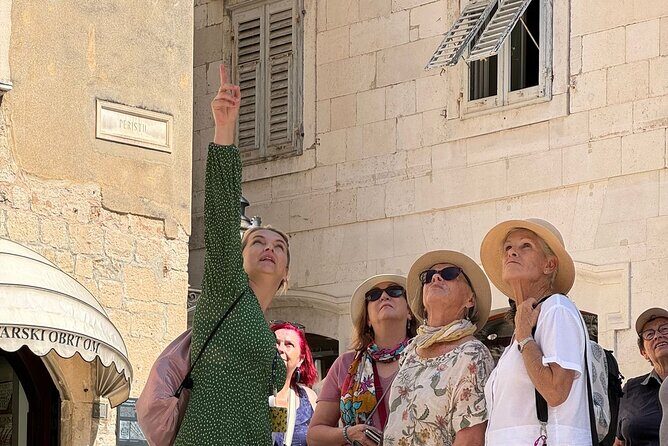
- Local-native guide who explains Split like you’re getting the city from the inside
- Storytelling over lecture, with humor and real-life detail, not just dates
- Free-entry sites at each stop, so your money goes to the guide and experience
- Photo spots on the route, including a classic start point at the Split sign
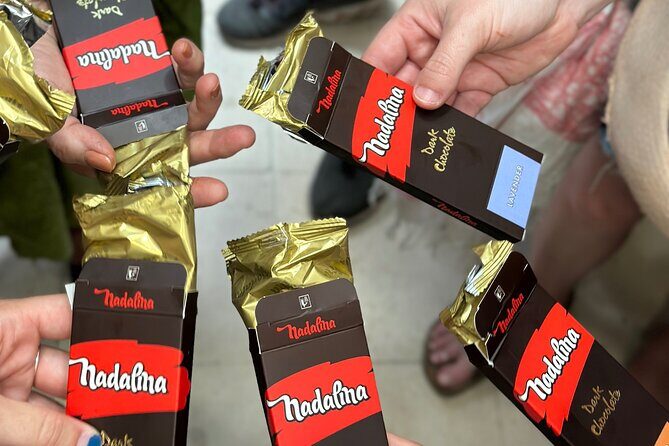
- Snack included, helpful for a 90-minute wander on city heat or cool mornings
- Small-group feel: it’s private, so your pace and questions actually matter
Why I’d choose a people-first walk in Split
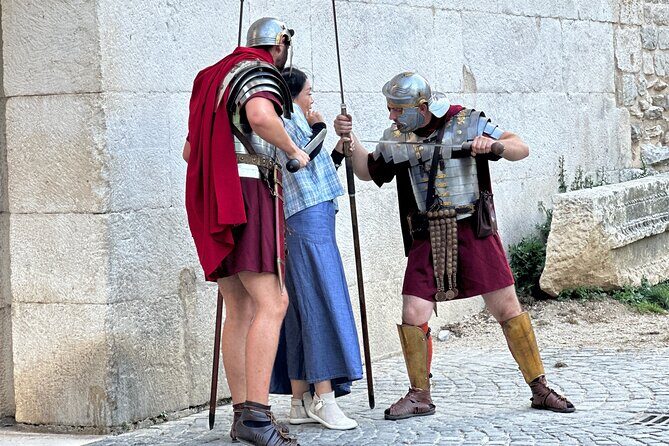
Split can be confusing at first. You see the big Roman landmarks and it all feels like a list. This tour swaps that mindset. You walk a short circuit, but the guide keeps translating what you’re seeing into how people lived then—and how they live now.
The “people” focus matters because Split’s center isn’t a museum park. It’s a working neighborhood threaded with history. That’s why small observations—like how residents use windows, courtyards, and street life—end up being the most memorable parts of your visit.
This also helps your photos. Instead of random snapshots, you get a sense of where the light and angles work, and what details are worth capturing.
You can also read our reviews of more tours and experiences in Split.


Riva Harbor and the Split sign: start with orientation and an instant photo win
You’ll meet right in the historic core at the iconic Split sign near Riva Harbor. The guide starts with a quick moment to orient you and mark the beginning of your walk with a photo.
This stop is more than a cute opener. Riva Harbor is where visitors tend to arrive already tired or jet-lagged. Getting a clear start point makes the rest of the day feel simpler. You’ll know where you are, and you’ll feel like you’re joining Split rather than touring it from outside.
What I like here: the tour doesn’t waste your first minutes. You’re already making sense of the city’s layout before you step into the heavier history zones.
Diocletian Palace substructures: Roman space that still has a job
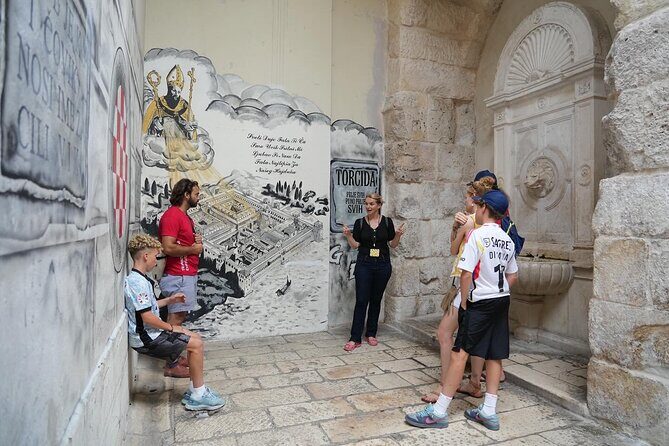
Next you head into the substructures of Diocletian’s Palace. This is one of those Split places where the stones feel close enough to touch, because they are. You’re entering a structure that’s around 1,700 years old and still in use today.
The tour also flags one of Split’s modern connections: Game of Thrones filming at the palace. That link is useful, because it gives your brain an easy handle for what you’re seeing. Even if you’re not a hardcore fan, it helps you picture the scale and texture of the setting.
A practical note: this segment is brief. That’s good for most people—this is a walking tour, not a multi-hour archaeology session. If you want long reading time and slow exploration, you might need to plan extra self-guided time afterward.
Peristyle of Diocletian’s Palace: Roman retirement home meets real street life
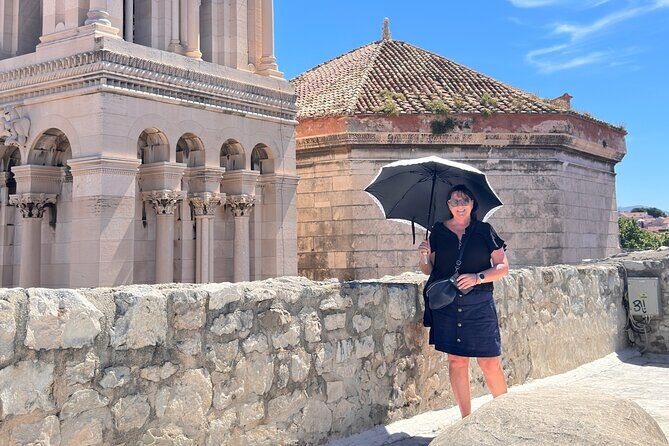
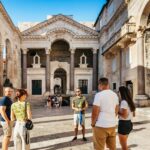
The Peristyle is the headline interior space of Diocletian’s Palace. Built in the 4th century as a retirement home for Roman Emperor Diocletian, it now sits right in the heart of daily Split life. The tour pauses for photos here, but the point isn’t just the view. It’s what the guide tells you while you’re standing in that specific space.
This is where the “people of Split” idea really kicks in. The tour includes time to visit some hidden corners and secret spots, and you may get chances to sample fresh produce from local vendors and meet artisans practicing their craft. That part changes the feel of the palace. You’re not only looking at the past—you’re seeing how life continues in layers.
What to watch for: because this is still an active neighborhood area, the guide’s pacing matters. Listen closely at the curb and entrances, and keep a steady pace through narrow passages. You’ll get more out of the stories if you don’t rush ahead.
Dominisova ulica: windows, laundry, and why “observing” is a skill
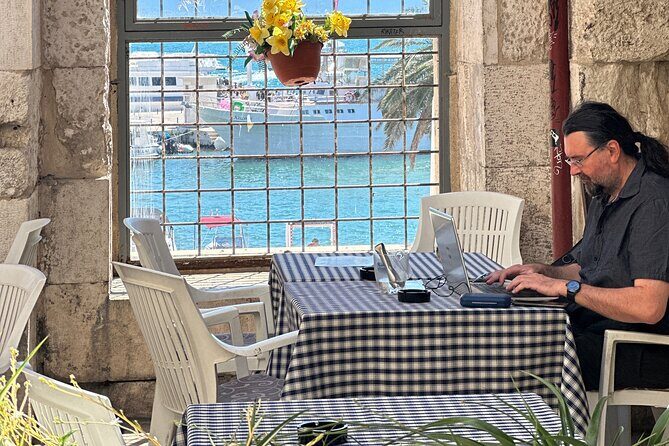
Then you move to Dominisova ulica, one of Split’s most loved streets. The tour keeps it simple: you walk, you look, you absorb.
The key detail here is everyday: locals lean out their windows for the fresh air and hang clothes to dry. That’s the sort of observation that sounds minor, but it’s exactly what makes places feel authentic. When you see daily routines happening right inside historic walls, the city stops being a backdrop.
This segment also teaches a useful traveler habit. Don’t just move from monument to monument. Slow down for 30 seconds at a time. Ask yourself what locals are using the street for. Even if you don’t know the language, you’ll read the city faster.




Grgur Ninski statue: the toe-rubbing tradition explained
Next comes the Grgur Ninski Statue. The tour includes the classic ritual: rub a toe of Gregory of Nin and learn why this statue has that habit attached.
I like traditions like this because they’re not staged. They’re repeated by people who grew up here and tourists who keep catching on. A guide can turn a silly action into a small cultural lesson—why the figure matters, and how Split handles memory in public spaces.
This stop is short, but it’s the kind of moment that turns a walking tour into something you’ll still think about later when you see a photo of your own hand near a toe.
Narodni Trg (Pjaca): people-watching, old trades, and activism in the square
You’ll end your city-circuit at Narodni Trg, arriving around Pjaca, the first square built outside the ancient city walls. Squares are where you get your “how the city breathes” moment, and this one delivers.
The tour frames the square as a place where people fall in love with the city—because it invites people-watching and long pauses. It’s also described as a hub of activism, alive in the sense that people use the public space, not just pass through it.
Then there’s the craft angle. The guide connects old trades to what you might still see today, including traditional craftsmen at work in Split. That makes the square feel less like a sightseeing stop and more like a place you could return to on a free afternoon.
If you like your cities with texture—voices, movement, and the feeling that history is still underfoot—this is a strong finish.
Price and value: $258.88 per group up to 8 is the real deal
The tour costs $258.88 per group and fits up to 8 people. That price structure changes how you should judge value.
If you split the cost among a small group, the per-person price drops fast, and you get a private experience—meaning your group’s questions and pace matter. Also, the tour includes snacks and a local guide who knows Split from the inside, not from a script.
It’s also worth noting that the listed major stops have free admission tickets. You’re not paying extra to enter the sites; you’re paying for interpretation, timing, and guidance through tight spaces.
The one caution: if you’re traveling solo or as a couple, you might feel like you’re paying for other people. In that case, ask yourself whether you’d rather spend the money on a second activity after a self-guided walk.
Timing, length, and how to get the most out of 90 minutes
The tour runs about 1 hour 20 minutes to 1 hour 35 minutes. That window is ideal for a first pass through Split’s center. You get the key Roman story beats plus a sense of street life without burning your whole morning.
Because the walk is compact, wear shoes you can trust on uneven stone. The center can be charming and also a bit rough underfoot. Bring water if you’re visiting in warm months; snacks help, but they’re not a replacement for hydration.
If your group includes people who prefer more facts, you’ll still get plenty of context. But the guide’s style is about telling stories in a way that connects to daily life—so the experience is best if you enjoy learning through people, not only through dates.
Guide style: the storytelling approach (and why it keeps people engaged)
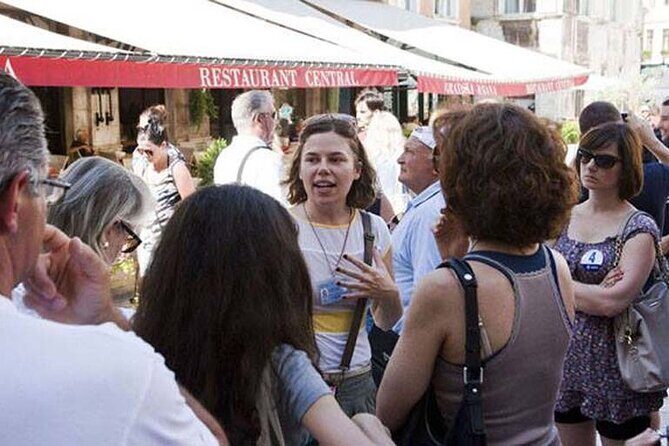
The most consistently praised ingredient here is the guide’s voice: energetic, warm, and funny, with a focus on making you understand Split’s “soul and heart,” not just its layout. The local-native perspective is a big part of that. The guide listens and adjusts the walk so your interests show up in what you hear.
You’ll also notice the stories aren’t trapped in the past. They link Roman life to modern Croatia and sometimes even connect ideas in unexpected ways. One of the hallmarks people describe is that questions don’t feel like interruptions—they feel like part of the flow.
Even groups that can get loud on a walking tour tend to say the guide can project clearly and keep the group together. That matters if you’re traveling with kids, older relatives, or anyone who hates “where did the guide go” moments.
Practical details that affect your day (without making it complicated)
This is an English-language tour with a mobile ticket. It’s private, meaning only your group participates.
Your meeting point is in front of the Split sign in Grad (21000, Split). The tour ends at the Golden Gate area on Dioklecijanova 7. The route is best for travelers who can handle short walks and standing time for photos.
Service animals are allowed, and the tour states that most travelers can participate. If you have mobility limits, it’s worth thinking about how much walking you can do comfortably in old-stone streets.
Should you book People of Split – meet the locals?
Book it if you want Split to feel like a living city, not just a checklist of Roman sites. This tour is especially good for couples and small friend groups, and it’s a smart choice for your first visit to Split’s historic center. You’ll leave with a clearer layout, stronger context, and a set of images you’ll actually know how to frame.
Skip it only if your main goal is deep museum-style time in each site. This is a short circuit with stories layered on top, not a long academic tour.
If you’re aiming for the sweet spot—Roman landmarks plus local street life in about 90 minutes—this one is a strong bet.
FAQ
How long is the People of Split tour?
It runs about 1 hour 20 minutes to 1 hour 35 minutes.
What is the price for People of Split – meet the locals?
The price is $258.88 per group for up to 8 people.
Where do we meet and where does the tour end?
You meet in front of the Split sign in Grad, Split. The tour ends at the Golden Gate on Dioklecijanova 7, Split.
Is the tour in English, and do I get a ticket on my phone?
Yes, the tour is offered in English, and you’ll have a mobile ticket.
What’s included, and what should I budget for?
Included are the heritage interpretation guide and storyteller, a local guide native of Split, suggestions for the best photo spots, and snacks. Tips and gratuities are not included.
Is this tour suitable for most people?
The tour states that most travelers can participate, and service animals are allowed. It’s also near public transportation.