REVIEW · DIOCLETIAN'S PALACE
Diocletian’s Palace Small Group Tour in Split
Book on Viator →Operated by South Tours Croatia · Bookable on Viator
Split’s palace maze beats a map. In just about 2 hours, this Diocletian’s Palace small-group walk turns the UNESCO old town into an easy, high-impact route you can follow on your own afterward, with a mobile ticket that keeps start-up simple.
I especially like how the tour brings local street-level context to the big Roman sights, so you’re not just looking at ruins—you’re understanding why Split is built around them.
The only catch: the stops are quick, so if you want long photo breaks or to read every plaque at a leisurely pace, you’ll want to add extra time after the tour.
In This Review
- Key things I’d circle before you go
- Two Hours in Split: What This Small-Group Tour Really Does
- Starting at South Tours: Easy Meeting Point, Easy Comeback
- Step Into Diocletian’s Palace: Fortress Walls Turn Into City Streets
- Peristyle Square: Where Emperor Power Meets Performance Acoustics
- Vestibulum: The Palace’s Architectural “Handshake”
- Diocletian’s Golden Gate: Roman Defenses With a Real Entry Date
- Diocletian’s Cellars (Substructures): The Real Backbone Underfoot
- What the Guide Adds: Local Tips and Clear Explanations
- Walking Plan and Practical Tips: How to Get the Most From Every Stop
- Price and Value: Why $60.21 Can Make Sense
- Who Should Book This Tour (and Who Might Skip It)
- Should You Book Diocletian’s Palace Small Group Tour in Split?
- FAQ
- How long is the Diocletian’s Palace small-group tour?
- What language is the tour offered in?
- Is there a mobile ticket?
- Where do I meet for the tour?
- What is included in the tour price?
- What is not included?
- How much walking is involved?
- Can I cancel for free?
Key things I’d circle before you go
- Several departure times throughout the day so you can match it to your itinerary.
- Local guide plus professional guide for both neighborhood detail and solid historical framing.
- Peristyle explanations with practical details like how it worked as a performance space and why the acoustics matter.
- Golden Gate context tied to an exact date—Diocletian’s entry on 1 June 305.
- Diocletian’s Cellars stop as a UNESCO anchor: the substructures are a big reason the core of Split was listed in 1979.
- Most stops are marked free entry for this route, so your money goes to guide time, not add-on tickets.
Two Hours in Split: What This Small-Group Tour Really Does
This is the kind of tour that works like a good walking compass. You start in the heart of old Split and, in about two hours, you learn how the Roman palace became the skeleton for the city you’re standing in now.
The format is also practical: there are choice departures throughout the day, you get an English guide experience, and you’ll use a mobile ticket. It ends back at the same meeting point, so you’re not left wondering where you’ll be when it’s over.
Price-wise, at about $60.21 per person, it’s not a budget “see it from the outside” option. But you are paying for guided interpretation of major palace zones—so you’re buying clarity and speed. If you only have a short window in Split, this can save you hours of guessing and backtracking.
One more small detail that matters: the tour is described as having a maximum of 99 people. That size can still feel busy in peak season, but it’s generally manageable for a walking route if the guide keeps things organized.
You can also read our reviews of more tours and experiences in Split.


Starting at South Tours: Easy Meeting Point, Easy Comeback
You meet at South Tours Travel Agency, Mrčelina 1, 21000 Split, Croatia. That location is handy because you’re stepping right into the old town area rather than commuting across town first.
I like that the tour ends back at the meeting point. When you’re exploring a place like Split—where streets curl and merge—you don’t want the added stress of figuring out your next step while you’re already tired from walking.
If you prefer planning your day in blocks, the schedule helps: confirmation comes at booking time, and departures run across the day. Also, the tour is set up for moderate physical fitness, which usually means you’re doing steady walking rather than a long climb workout.
Step Into Diocletian’s Palace: Fortress Walls Turn Into City Streets
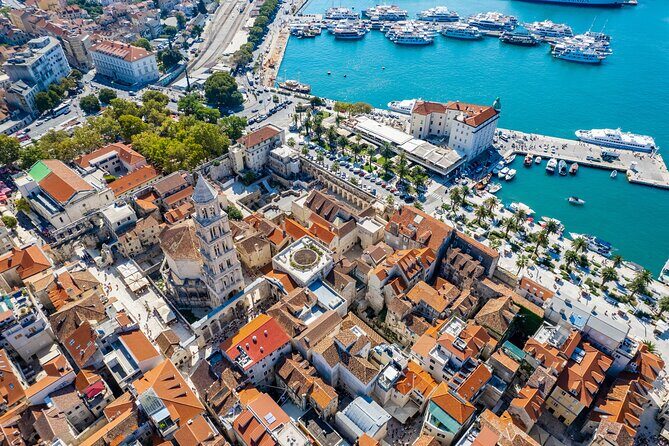
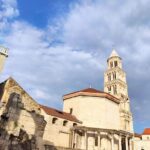
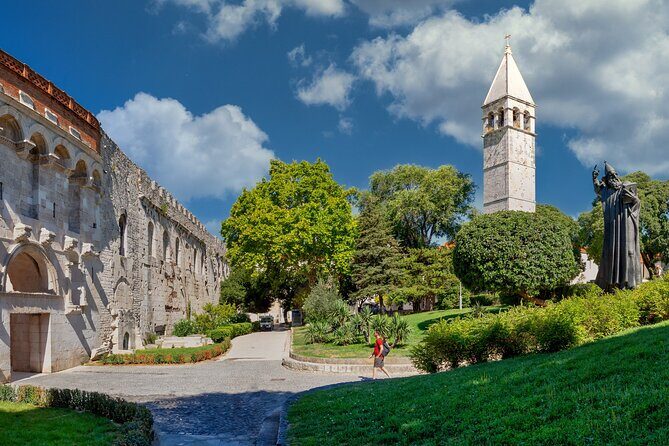
The first major stop is Diocletian’s Palace, the ancient complex built by Roman emperor Diocletian around the turn of the fourth century AD. Today, it’s not a fenced museum. It’s about half of Split’s old town and city center—so you walk through Roman walls and then suddenly you’re in normal street life.
It helps to know the term “palace” can mislead. This place is massive and closer to a fortress layout. Roughly speaking, part of it was for Diocletian’s personal quarters and the rest supported the military garrison. That matters, because you’ll understand why the geometry feels defensive, and why the streets don’t behave like a typical city block.
One of the fun parts of this stop is the sense of surprise. You’re guided through the labyrinth-like streets of the old palace core, where features from different eras sit next to each other. The route also calls out the presence of an Egyptian sphinx (a striking detail that makes the whole area feel like a mix of stories, not a single straight line of time). You’ll also notice later buildings layered into the earlier framework—so the area feels lived-in, not frozen.
A drawback to keep in mind: because the palace is a maze, you’ll get the most out of this tour if you listen closely and ask questions while you’re there. If you tune out, the streets can feel random. If you’re paying attention, it clicks fast.
Peristyle Square: Where Emperor Power Meets Performance Acoustics
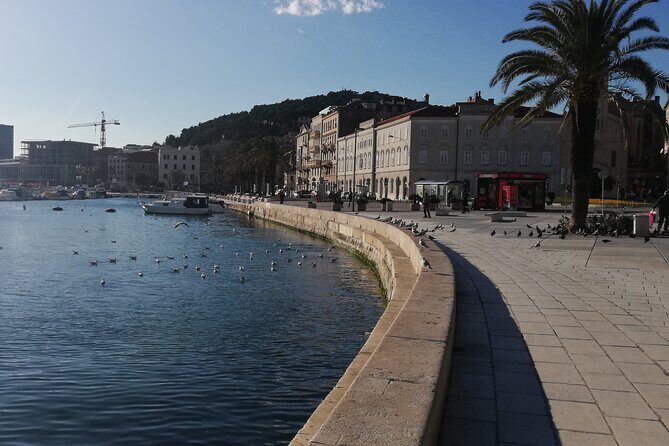
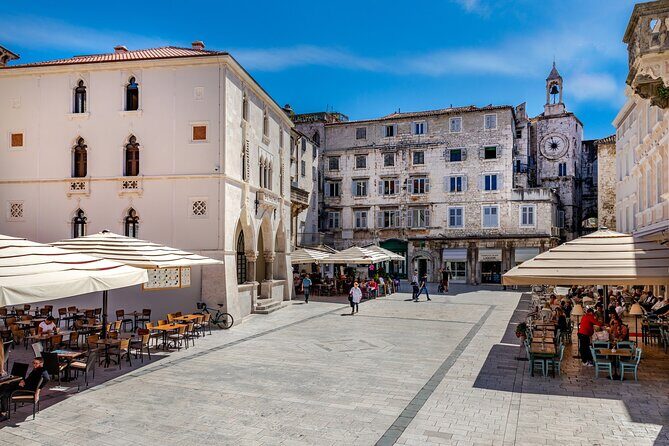
Next up is the Peristyle, the central square of the palace. This isn’t just a pretty courtyard moment. It was intended as a ceremonial centerpiece for Diocletian’s status—described here in terms of being celebrated as the living son of Jupiter.
What I like about this stop is the way it’s framed as more than politics. The Peristyle’s design and space made it a natural stage setting—ideal for opera classics and ancient literature works. In other words, this was a place built for big moments, not quiet strolling.
There’s also an extra layer that’s easy to miss without guidance: the Peristyle is known for unusual acoustics. When a guide points out how sound behaves in the square, you stop thinking of it as just open space. You start imagining voices carrying across the stone, which makes the site feel active even today.
This stop is short, but it gives you a mental image you can carry with you while you keep walking through the palace streets.
Vestibulum: The Palace’s Architectural “Handshake”
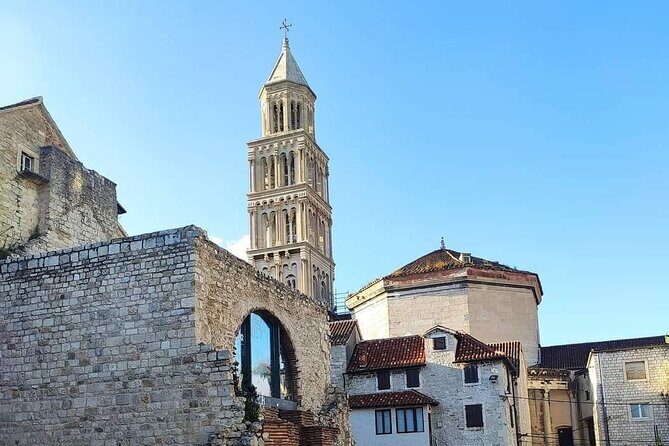
Then comes the Vestibulum—a monumental threshold space that looks very different from the outside compared with what you see once you’re inside. From the outside, it has a rectangular impression. From inside, the ground plan shifts to a circular form.
That inside-out contrast is the kind of architectural detail that sounds abstract until a guide shows you where to look. This stop is brief, but it helps you understand the palace wasn’t designed only for soldiers and ceremonies. It also used space for drama—showing you power through shape.
If you’re the type who loves architecture, you’ll appreciate how even a quick visit can teach you something tangible about how the palace was constructed and experienced.


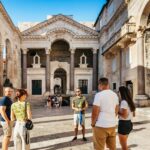


Diocletian’s Golden Gate: Roman Defenses With a Real Entry Date

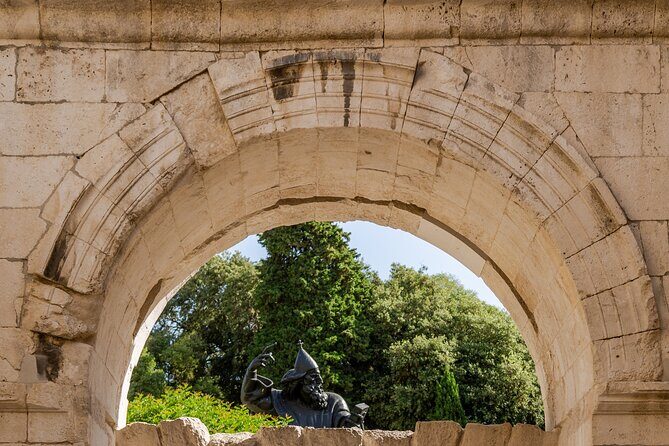
The Golden Gate is next, known in Roman times as Porta septemtrionalis. The name itself invites attention, but the meaning here is more than branding.
This gate was part of defensive military tactics, described with a specific reference to propugnaculum. That detail matters because it frames the gate not as a decorative entrance, but as a controlled point in a fortification system.
Even better for your imagination: Diocletian walked through these gates on 1 June 305 when entering the palace. When a tour gives you an exact date, it stops history from feeling like a vague timeline and turns it into a sequence of moments.
You’ll also see a clear physical description: the gate is rectangular with double doors. Again, a short stop, but it reinforces the fortress logic that helps the rest of the palace make sense.
Diocletian’s Cellars (Substructures): The Real Backbone Underfoot
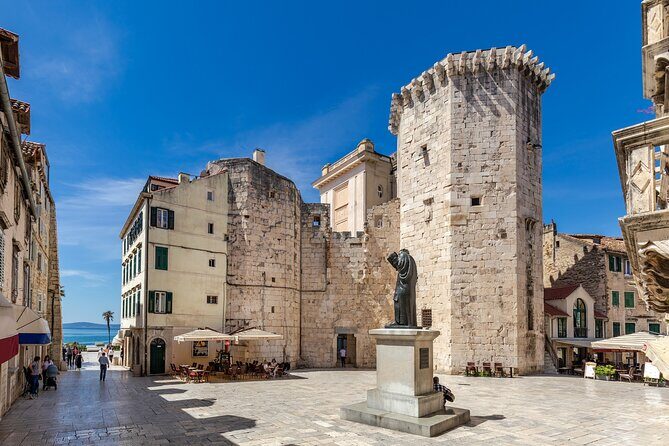
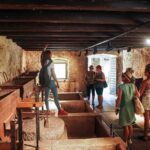
Then you get to the Diocletian’s Cellars, also described as palace substructures. These are important because they’re among the best preserved complexes of their kind, and they’re tied directly to why the historic core of Split received UNESCO World Heritage status in 1979.
This stop is the one that tends to feel less flashy than a gate or a big square—but that’s exactly why it’s valuable. The substructures give you a sense of what the palace truly was: a system of spaces supporting the city above, with construction meant to last.
If you like understanding how a place functions rather than just how it looks, this is one of your best learning moments. It also makes the palace feel less like isolated monuments and more like an engineered whole.
What the Guide Adds: Local Tips and Clear Explanations
A huge part of the value here is guide quality. The tour includes a local guide and a professional guide, and the difference shows in how the story lands.
When a good guide is on your route, you leave with more than dates. You leave with a map in your head: what to look for, which spaces served what purpose, and where everyday life fits into ancient design.
On this tour style, I’ve noticed guides like Luka, Sandra, and Jelena described as friendly and strong at explaining details without making it feel like a lecture. That’s exactly what you want in a two-hour format. You can ask questions, you can get practical recommendations, and you’re less likely to feel lost inside the palace streets.
If you go, I’d recommend asking your guide two simple questions:
- What’s the one feature most people miss because they walk past it?
- If you had two hours after the tour, where would you go next?
You’ll usually get answers that steer you toward small streets and atmosphere rather than only major landmarks.
Walking Plan and Practical Tips: How to Get the Most From Every Stop
This tour runs for about 2 hours and is designed around multiple short segments. Each stop is listed as around 10 minutes for the palace zones, which means the guide will keep moving so you cover the key points efficiently.
That can be great if you’re short on time. It’s less great if you want to linger, sketch, or take photos without pause. If you’re traveling in warmer months, I’d also think about timing. Earlier departures in the day often make walking feel easier, especially when stone streets stay warm.
Footwear matters more than you might expect in a place with mixed ages of construction. Bring shoes that handle uneven stone and small changes in street level. Also carry water, even though food and drinks aren’t included.
Finally, remember the tour focuses on the palace core and the streets around it. You’ll likely end with a stronger sense of orientation than you started with—so plan to explore a little afterward, rather than rushing straight off to a far-away stop.
Price and Value: Why $60.21 Can Make Sense
At $60.21 per person, the price may look steep compared with a self-guided wandering day. But this tour isn’t selling “entry to a site.” It’s selling time with two levels of guidance—local context plus professional historical framing—so you understand what you’re seeing while you walk.
Also, several stops are marked as admission ticket free in the route description. That means your cost is mostly for guide service rather than piling onto paid entry fees.
What’s not included is also clear. Food and drinks are not part of the tour, and tickets for the cathedral aren’t included. If you know you want cathedral time, budget separately rather than hoping it’s part of this route.
One more pricing clue: tours like this are often booked ahead. The experience is described as averaging 45 days in advance, which suggests demand is real. If Split is a peak-season stop for you, booking earlier usually keeps your preferred departure time open.
Who Should Book This Tour (and Who Might Skip It)
This is a strong match for you if:
- You want a fast, guided orientation to Split’s old town center.
- You care about how the Roman palace shaped the city you’re walking through.
- You prefer learning from a guide in English rather than piecing together information on your own.
It’s also a good fit for first-timers because the palace is a maze. With guidance, the same streets that feel confusing alone feel purposeful.
You might consider skipping or adding extra time if:
- You need long breaks at each stop.
- You want to focus heavily on one single area rather than covering several palace highlights in a tight window.
- You’re planning to add the cathedral as a core part of your visit, since cathedral tickets aren’t included and may require separate planning.
Should You Book Diocletian’s Palace Small Group Tour in Split?
I’d book it if your goal is to understand Split quickly and walk confidently. The tour is short, focused, and built around the palace features that matter most—Peristyle, Vestibulum, Golden Gate, and the substructures—plus the guidance to connect them into one story.
If you’re the type who learns best while walking, this format is a practical win. And with English language support, a local/professional guide team, and multiple departure options, it’s easy to fit into a busy day.
If you tell me your travel month and what else you want to do in Split, I can help you pick the best time to go and suggest what to do right after the tour.
FAQ
How long is the Diocletian’s Palace small-group tour?
The tour lasts about 2 hours.
What language is the tour offered in?
The tour is offered in English.
Is there a mobile ticket?
Yes, the tour uses a mobile ticket.
Where do I meet for the tour?
The meeting point is South Tours Travel Agency, Mrčelina 1, 21000 Split, Croatia.
What is included in the tour price?
The included items are a local guide and a professional guide.
What is not included?
Food and drinks are not included, and tickets for the cathedral are not included.
How much walking is involved?
It’s recommended for people with a moderate physical fitness level.
Can I cancel for free?
Yes. You can cancel up to 24 hours in advance for a full refund.