REVIEW · COOKING CLASSES
Split Cooking Class
Book on Viator →Operated by Split Cooking Class · Bookable on Viator
Markets first, then the oven. This Split class is interesting because you start with real ingredient shopping at the Green Market and Split Fish Market, then you cook under chef guidance from people like Marin and Željko. I like the hands-on format and the way you taste what you’re making, not just watch it. One thing to consider: it’s a morning schedule with some walking, so plan for a bit of movement early in your day.
The class starts at 9:00 am and runs about five hours. If you want a totally relaxed morning with zero strolling, you may prefer the version that skips the market tour.
In This Review
- Key Highlights That Make This Class Worth Your Time
- Why the Morning Schedule Works So Well in Split
- Green Market and Split Fish Market: More Than a Sightseeing Stop
- Green Market: Produce you can actually taste in the kitchen
- Split Fish Market: Skills for anyone who wants real seafood confidence
- Walking note: it’s small, but it adds up
- The Chef Factor: Learning to Cook Like You’re in a Real Kitchen
- What You’re Cooking (and Why Tasting During the Process Helps)
- Wine tasting and drinks: food plus context
- Lunch at the End: The Social Part That Makes It Feel Local
- Price in Perspective: Is $211.72 Good Value?
- Logistics That Matter (So You Don’t Waste Energy)
- Meeting point and start time
- Duration
- Mobile ticket and confirmation
- Hotel pickup/drop-off
- Dietary needs and vegetarian option
- Who This Cooking Class Fits Best (And Who Should Skip)
- Should You Book Split Cooking Class?
- FAQ
- Do I need to speak Croatian?
- How long is the Split cooking class?
- Is the market tour part of the class?
- Where does the class start?
- What’s included in the price?
- Can I bring dietary restrictions?
- How big are the groups?
- What are the cancellation terms?
Key Highlights That Make This Class Worth Your Time
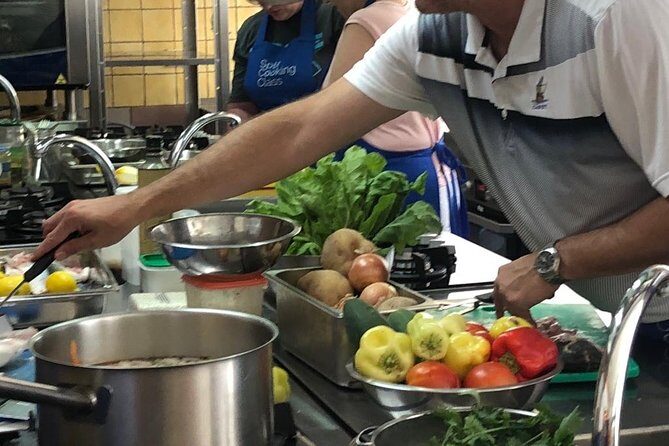
- Market shopping first: Green Market produce and Split Fish Market seafood become your lesson plan
- Small group energy: capped at 12 travelers, so questions don’t get lost in a crowd
- Chef teaching style: expect patient coaching while you chop, cook, and handle fish prep skills
- Hands-on meal building: you actively make the food, then sit down together to eat
- Wine tasting included: a simple way to pair Croatian flavors with local wine
- Flexible for diets: vegetarian option available, and you can advise dietary needs at booking
Why the Morning Schedule Works So Well in Split
A cooking class can be fun anywhere. What makes this one feel like a real Split day is the timing. Starting at 9:00 am means you’re buying ingredients while the markets are part of everyday life, not while everything has already been picked over.
You also get the benefit of a clean arc to your day: market walk, kitchen work, then a full lunch. Several people describe the experience as a highlight because it doesn’t feel rushed. You’re not trying to cram cooking into the afternoon. You get momentum early, and then you can actually enjoy your meal afterward.
There’s one trade-off. You’re committing to the morning and doing some walking between the market areas and the cooking school. The walking is described as small, but it’s still walking. If you’re traveling with limited mobility or you just hate mornings, you should think about whether the market route is worth it. The good news is there’s also an option to take the class without the vegetable and fish market tours.
You can also read our reviews of more cooking classes in Split
Green Market and Split Fish Market: More Than a Sightseeing Stop
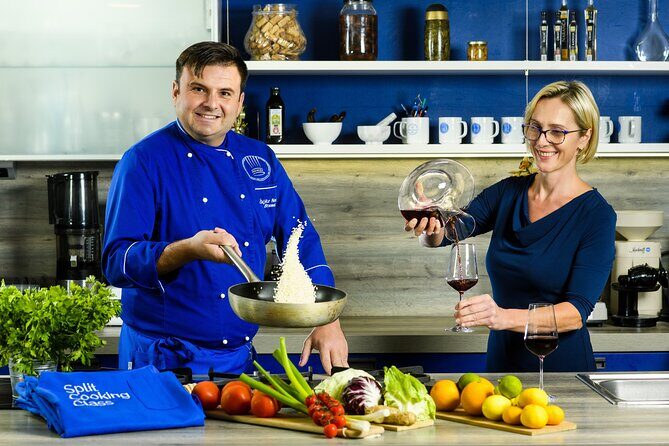
The core idea here is straightforward: you learn Croatian cooking by buying the ingredients locally first. The itinerary is built around two stops.
Green Market: Produce you can actually taste in the kitchen
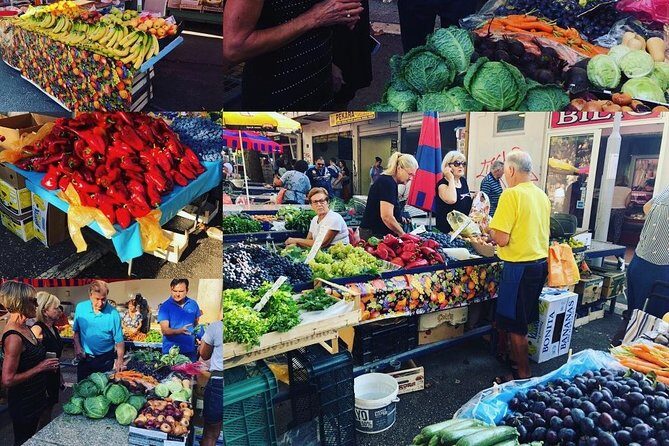
At the Green Market, you’re shopping vegetables and other ingredients that fit Croatian home cooking. This is a big deal because produce tells you what the menu should be. If you’ve ever tried to cook Croatian food with random supermarket vegetables, you know how much flavor changes with what’s in season.
The class also uses this stop to frame your cooking. You’re not just collecting food. You’re learning what chefs look for, how ingredients behave when cooked, and how to plan around freshness. People mention getting background while walking, which helps you understand why certain combinations work.
Split Fish Market: Skills for anyone who wants real seafood confidence
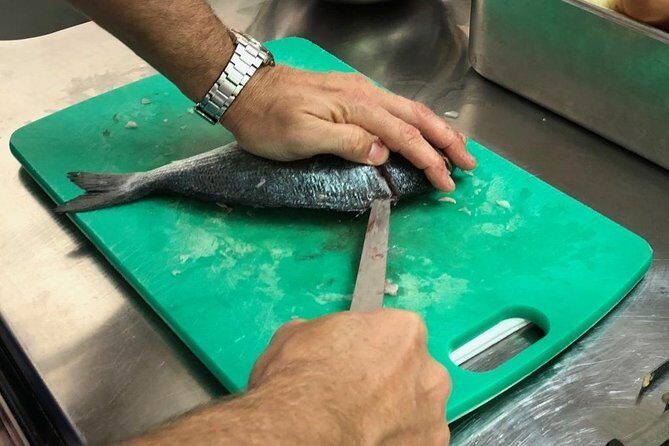
Then comes the Split Fish Market. This is the part that tends to feel special for anyone who usually only sees fish cleaned at restaurants. In the class, you’re set up to learn fish preparation hands-on, including practical steps like cleaning fish.
That matters for two reasons:
- You see the scale and variety of what’s available locally.
- You gain confidence in techniques you can repeat at home.
If you’re a seafood lover, this can be a lot of fun. One review specifically mentioned learning fish cleaning as an important skill. Another described learning to filet a fish. If you’re not a fish person, you should mention your preferences when booking, because fish-based menus may be part of the plan.
Walking note: it’s small, but it adds up
The experience involves some walking. That’s normal for market areas in the morning, and the group size stays small, so you’re not trekking with a big bus crowd. Still, you’ll be on your feet during the market portion and again between the market and the school. Come with comfortable shoes.
You can also read our reviews of more tours and experiences in Split
The Chef Factor: Learning to Cook Like You’re in a Real Kitchen
This isn’t a demo where you sit and watch. The format is built for doing. That’s why the chef matters so much.
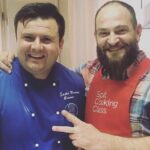
Across the different sessions, chefs named Marin and Željko show up in the feedback, and Drago also appears as a standout host/teacher. What people consistently value is the mix of teaching and personality. The kitchen work is structured, but it still feels friendly.
What you can expect from the chef’s role:
- clear, step-by-step guidance while you cook
- background on why certain techniques and ingredients matter
- time for questions during hands-on work
A few comments point out that instructors are patient, and that they take time to help you learn practical skills rather than just get you through the recipe. If you’re a confident cook, you’ll still pick up technique notes. If you’re a beginner, the class is designed to work across levels.
One practical tip: bring your appetite and your curiosity. When chefs invite you to chop or try a fish-prep step, it’s not the time to pretend you’re shy.
What You’re Cooking (and Why Tasting During the Process Helps)
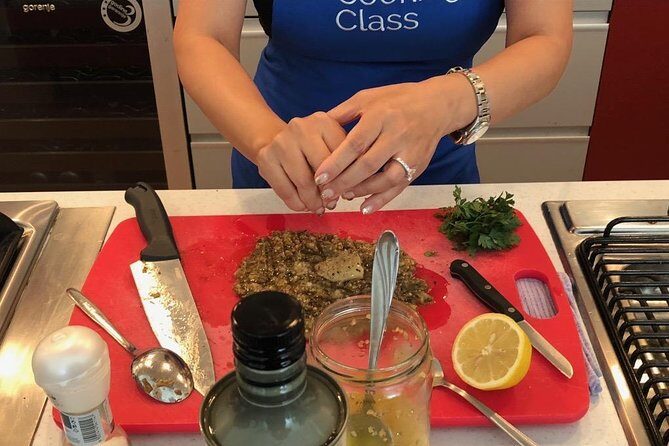
The class focuses on Croatian traditional dishes. The provided menu detail is a starter described as a Croatian meal, but the wider experience includes building a multi-part meal at the academy. Reviews mention learning things like risotto, bread baking, fish preparation (including filleting/cleaning), making sauce-style bases, and finishing with desserts.
Here’s the key point for you as a reader: even if you’re not sure exactly what dishes you’ll cook on your day, the method is consistent. You taste as you go, then you cook with guidance, then you eat what you made.
That flow helps learning stick. You’re not just memorizing steps. You’re understanding how flavor changes with seasoning, timing, and ingredient choice.
Wine tasting and drinks: food plus context
Beverages, snacks, and lunch are included. Wine tasting is also included, plus coffee and/or tea.
For many people, the wine tasting isn’t about getting tipsy. It’s about pairing. In Croatia, wine is part of the cultural table, and tasting it alongside the meal gives you a clearer sense of what cooks and diners in this region aim for.
If you’d rather keep it light, you can still enjoy the experience. The bigger value is how the drinks support your understanding of the food, not the alcohol itself.
Lunch at the End: The Social Part That Makes It Feel Local
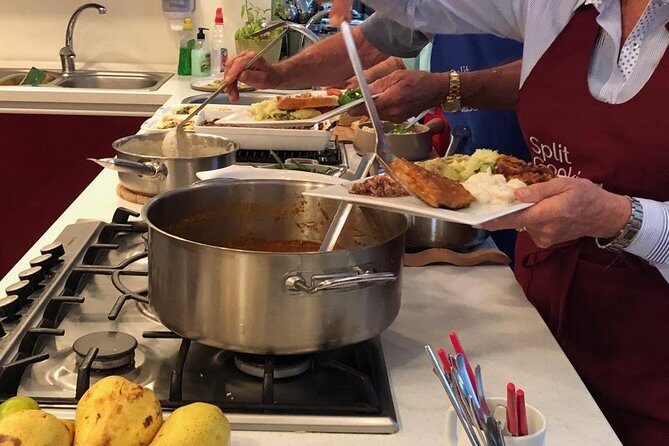
The best cooking classes end with something important: you sit down with what you made, together, and enjoy it. Here, lunch is included and you eat after the kitchen work.
People mention that the table becomes a kind of family-style moment, with conversation and relaxed energy. That’s not just nice atmosphere. It’s useful. When you eat right after cooking, you can connect your effort to the final result and ask questions while the meal is still fresh.
The group stays small (up to 12), which helps this feel less like a factory line and more like shared time. Some sessions even run with fewer people, depending on timing, which can make the chef’s attention feel even more personal.
Price in Perspective: Is $211.72 Good Value?
$211.72 per person sounds like a lot until you look at what’s actually included.
You’re paying for:
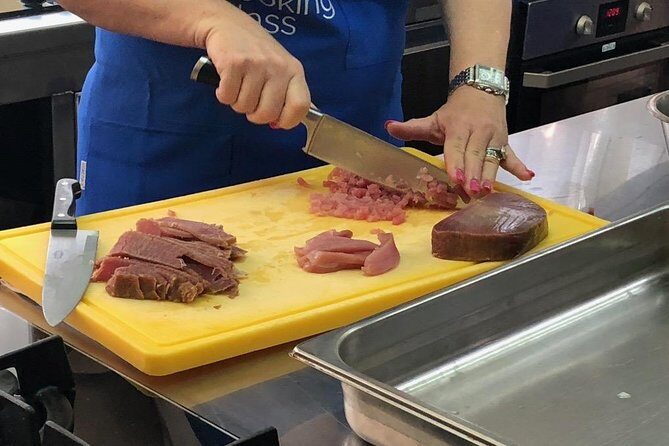
- a chef-led market tour (Green Market plus Split Fish Market)
- hands-on cooking instruction
- a meal you make yourself (lunch)
- snacks and beverages during the class
- wine tasting
- coffee and/or tea
- and optional hotel pickup/drop-off if you select it
- a cap of 12 travelers, which usually means more direct coaching
When you compare that to paying for a market visit plus a separate cooking lesson plus lunch somewhere else, the cost starts to make sense. The ingredient shopping isn’t a quick photo stop. It’s part of the learning arc, and the chef coaching has to be scheduled for a real group size.
Could it be expensive if you’re not interested in cooking? Yes. If you want pure sightseeing, you might prefer a different kind of tour. But if you love food and you want skills you can use again at home, this price can feel fair.
Logistics That Matter (So You Don’t Waste Energy)
Here are the practical bits that affect your day.
Meeting point and start time
Start time is 9:00 am. The meeting point is Hrvojeva 4, 21000, Split, Croatia. The activity ends back at the same meeting point.
That matters because you’ll want to plan your morning so you’re there early enough to meet without stress. If you’re staying nearby, great. If you’re traveling across town, consider leaving buffer time.
Duration
The duration is listed at about five hours. Reviews also describe parts of it around four hours, but assume you’ll spend most of your morning in motion and working.
Mobile ticket and confirmation
You receive confirmation at booking. You’ll also have a mobile ticket, which is handy for showing up without hunting through emails.
Hotel pickup/drop-off
Pickup and drop-off are included only if you select that option. If you don’t select it, you’ll handle your own way to the meeting point.
Dietary needs and vegetarian option
Dietary requirements can be advised at booking. A vegetarian option is available if you request it.
This is important because seafood-focused sessions may be part of the course structure. If you have allergies or you avoid certain ingredients, tell the operator up front so they can guide you in the right direction.
Who This Cooking Class Fits Best (And Who Should Skip)
This class fits you if:
- you like cooking and want real technique, not just food samples
- you want a morning activity that feels connected to local markets
- you’re curious about Croatian traditional dishes and how ingredients drive the menu
- you’re traveling with a partner or small group and want shared conversation
It might be less ideal if:
- you hate mornings or want zero walking
- you’re only interested in sightseeing with no willingness to cook
- you have dietary restrictions but didn’t mention them during booking
The upside is that the class is designed for all levels. Beginners get structured help, and experienced cooks can still learn technique and flavor logic by watching how the chef teaches.
Should You Book Split Cooking Class?
If you want an experience that feels like Split, not just a list of landmarks, I’d book it. The market-first approach is the difference. You learn Croatian cooking by shopping where food actually comes from, then you cook with a chef and eat what you made with wine tasting included.
Book it especially if you’re the type who enjoys learning skills you can repeat later—like fish prep and basic bread or sauce-building techniques. And if you’re on the fence because you don’t love market walking, check the option that skips the vegetable and fish market tours.
For most visitors, this is one of the best ways to spend a morning in Split: practical, local, and genuinely fun at the same time.
FAQ
Do I need to speak Croatian?
No. The class is offered in English.
How long is the Split cooking class?
It’s about 5 hours (approx.).
Is the market tour part of the class?
Yes, the standard experience includes a vegetable and fish market tour with stops at the Green Market and Split Fish Market. There are also classes available without the market tours.
Where does the class start?
The meeting point is Hrvojeva 4, 21000, Split, Croatia, and it starts at 9:00 am.
What’s included in the price?
Included are beverages, lunch, snacks, wine tasting, coffee and/or tea. Hotel pickup and drop-off are included only if you select that option.
Can I bring dietary restrictions?
Yes. You should advise specific dietary requirements at the time of booking. A vegetarian option is available if you request it.
How big are the groups?
The class has a maximum of 12 travelers.
What are the cancellation terms?
Free cancellation is available up to 24 hours in advance for a full refund. If you cancel less than 24 hours before the start time, the amount paid is not refunded. The experience also has a minimum number of travelers, and if it doesn’t meet that minimum, you’ll be offered a different date/experience or a full refund.