REVIEW · HVAR
Jewels of Hvar – Private Walking Tour
Book on Viator →Operated by Opatrip.com US LLC – Local Tours in Croatia · Bookable on Viator
Hvar can feel like a photo waiting to happen. This private walking tour strings together the island’s biggest landmarks, so you get context as fast as you get views, with a guide who really knows how to explain what you’re seeing. I especially liked the way the stops are paced for a 2-hour walk and the fact that you’re not stuck reading plaques alone.
What I also liked: the guide energy. In the reviews, Nina and Jackie are singled out for making the history click, including with teenagers who usually tune out. One thing to keep in mind is that a few of the major sites have separate admission fees and Fortica sits on a hill, so comfy shoes matter.
In This Review
- Key highlights from the Jewels of Hvar private walk
- A tight two-hour loop through Hvar’s most memorable landmarks
- Price and what actually drives the value
- Where the tour starts and how the walking feels
- Stop 1: Španjola Fortress (Fortica) for hilltop history and views
- Stop 2: The Town Loggia and Renaissance Hvar’s official look
- Stop 3: Saint Stephen’s Cathedral for architecture with centuries behind it
- Stop 4: Hvar Arsenal and how theater became public life
- Stop 5: Hvar Public Theatre, the first communal theatre in Europe
- Stop 6: Franciscan Monastery for a calm finish near the center
- What you’ll get most from the guide (not just the buildings)
- Who this tour suits best
- Should you book Jewels of Hvar Private Walking Tour?
- FAQ
- How long is the Jewels of Hvar private walking tour?
- What’s included in the price?
- Are there admission fees I should budget for?
- Where do I meet and where does the tour end?
- What language is the tour offered in?
- What happens if the weather is poor?
Key highlights from the Jewels of Hvar private walk

- Fortica Fortress panoramas from a hilltop medieval landmark on an older Illyrian settlement site
- Renaissance Town Loggia as a surviving remnant of the former governor’s palace
- St Stephen’s Cathedral as one of Hvar’s most important landmarks, known for distinctive architecture
- 16th-century Hvar Arsenal tied to theater and public life
- Hvar Public Theatre described as the first communal theatre in Europe
- Franciscan Monastery from the 15th century, close enough to finish without feeling rushed
A tight two-hour loop through Hvar’s most memorable landmarks
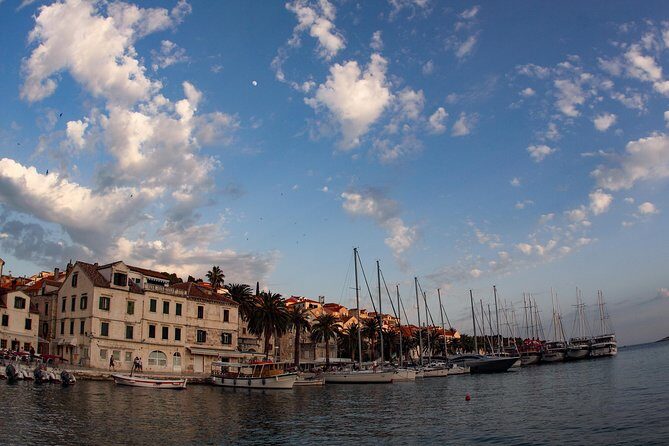
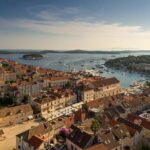
This is a smart tour length: about 2 hours on foot, with roughly 6 short stops. You’ll walk through the core of Hvar and hit the kind of places that are often spread out across the town—so you save time and get a guided route instead of guessing which streets matter most.
Because it’s private, you only share the experience with your group. That matters here, because the guide can adjust pace and explanation on the fly, especially if you’re traveling with teens, multigenerational friends, or anyone who wants the stories behind the stone.
The biggest reason I think this tour works is the structure. You go from hilltop views (Fortica) into Renaissance and cathedral architecture, then straight into Hvar’s theater and civic spaces. That sequence makes Hvar’s “old town” feel like one connected story instead of six unrelated sights.
You can also read our reviews of more walking tours in Hvar
Price and what actually drives the value
The tour is $279 per person, and the included part is straightforward: you get a guide. What you don’t get are admissions for several key stops, with additional site fees listed for you ahead of time:
- Fortica Fortress: 5.33 EUR
- Arsenal & Theatre area admissions: 8.66 EUR (with free entry for children under seven)
- Hvar Public Theatre: 2.05 EUR
So is it worth it? For me, the value depends on how you like to travel. If you’d normally spend a chunk of time figuring out directions and reading on your own, the guide time can be the difference between a good day and an “aha, now I get it” day—especially because the landmarks you’re seeing are tied to governance, religion, and public performance.
Also, it’s designed for flexibility in planning: it offers group discounts, and it uses a mobile ticket. And since confirmation comes at booking time, you can lock in your schedule without last-minute guesswork.
One more cost note: since admissions aren’t all bundled, you’ll want to budget those extras early so they don’t feel like surprises later.
Where the tour starts and how the walking feels
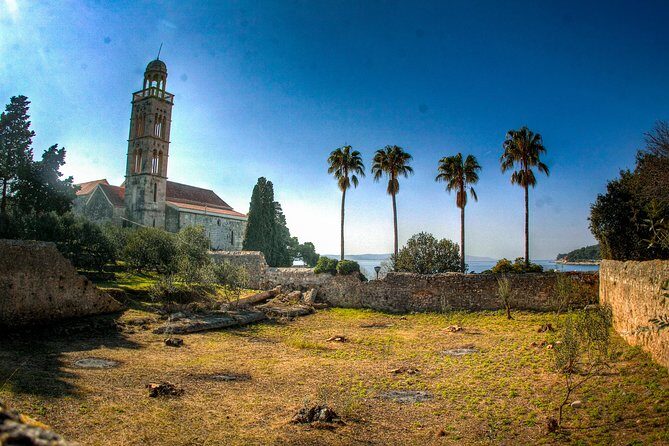
You meet at Trg svetog Stjepana 42, 21450 Hvar, Croatia. The walk ends at the Franciscan Monastery on Šetalište put Križa, 21450, Hvar.
Even though the tour is only about two hours, it includes a hilltop stop first. Fortica sits above town, so expect a steady climb and uneven old-stone paths. If you’re traveling with someone who hates stairs, bring that up to the guide before you start and wear shoes with grip.
Weather matters too. The experience requires good weather, and if poor weather forces a change, you’ll be offered a different date or a full refund.
Stop 1: Španjola Fortress (Fortica) for hilltop history and views
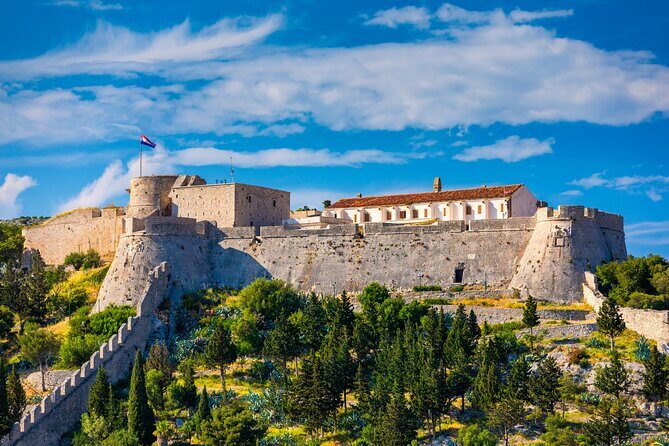
Fortica Fortress is the kind of Hvar landmark people talk about for a reason. It sits on a hill above town and gives you breathtaking panoramic views. The fortress isn’t just scenery; it’s described as a medieval castle built on the site of an older Illyrian settlement, which adds layers to what you’re looking at.
Plan on spending about 17 minutes here. That’s usually enough time for the main viewpoint and for your guide to connect what you’re seeing to Hvar’s older roots. The main drawback is time and effort: you’re paying the climb with energy. If you’re short on stamina, consider doing this tour earlier in the day when legs feel freshest.
And yes, you’ll want your camera or phone ready. But I’d treat the climb as part of the experience, not just the route to photos.
Stop 2: The Town Loggia and Renaissance Hvar’s official look
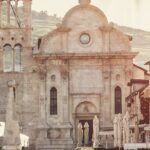
Next you’ll move into the town center to the City Lodge / Loggia. This building is special because it’s described as the only remnant of the former governor’s palace, still preserved in Hvar’s heart.
The loggia also represents Renaissance architecture, and that shows in the way the building reads as an official, structured space—less like a church and more like a place where civic life would have played out. Your guide’s job here is to translate the stone into a setting: who used it, what it symbolized, and why it survived while much else changed or disappeared.
This stop is brief—about 17 minutes—so don’t expect a deep architectural seminar. Instead, think of it as getting your bearings about how power and public life worked in old Hvar.
You can also read our reviews of more private tours in Hvar




Stop 3: Saint Stephen’s Cathedral for architecture with centuries behind it

Hvar’s Saint Stephen’s Cathedral is one of the island’s most significant landmarks. The big takeaway isn’t just that it’s old—it’s that its value comes from its unique architecture and centuries-old heritage.
You’ll have about 17 minutes here. That’s enough to understand what makes it different, and then decide what you personally want to linger on. If you’re the type who loves details—doorways, layout, and how buildings evolved—this stop can feel rewarding even in a short window.
The only practical caution: cathedrals can be visually busy, so it helps to have a guide telling you what to pay attention to first. That’s where the private setup shines again.
Stop 4: Hvar Arsenal and how theater became public life
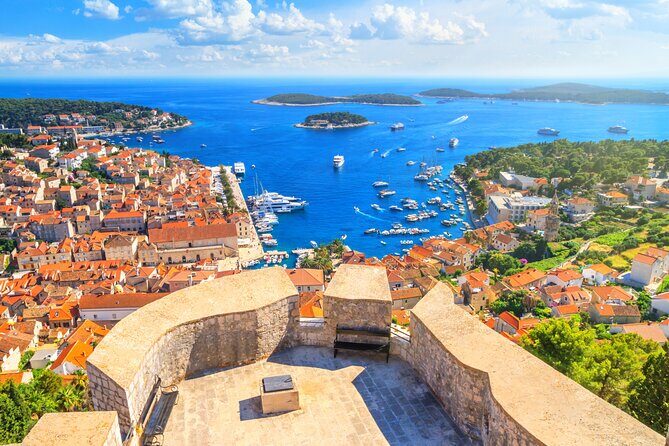
From the cathedral you’ll head to the Hvar Arsenal, dating back to the 16th century. Today it’s described as a multi-functional building centered on the theater, which is an important clue about how this town used space.
Spend about 17 minutes at this stop. You’re not just looking at a historical shell—you’re learning how civic function shifted over time. An arsenal sounds like military business, but here it points to a building that adapted. That adaptability is part of why Hvar feels alive instead of frozen in one era.
One drawback for budget-minded travelers: this stop has an admission fee tied to the Arsenal & Theater area. If you’re counting euros closely, you’ll want to factor those 8.66 EUR in when planning your day.
Stop 5: Hvar Public Theatre, the first communal theatre in Europe

This is a standout stop. The Hvar Public Theatre is described as a true phenomenon and the first communal theatre in Europe. That’s a bold claim, but it helps you understand why this place is worth your time even if you’re not a theater person.
Expect about 17 minutes. It’s time to walk the space, absorb the idea of communal performance, and connect the building to the larger civic story you’ve already been hearing—from governor’s remnants to public institutions.
Admissions here are listed separately: 2.05 EUR for the theatre. Your guide can help you figure out what’s most meaningful to see first, so you don’t end up spending your energy hunting for the “best photo angle.”
Stop 6: Franciscan Monastery for a calm finish near the center
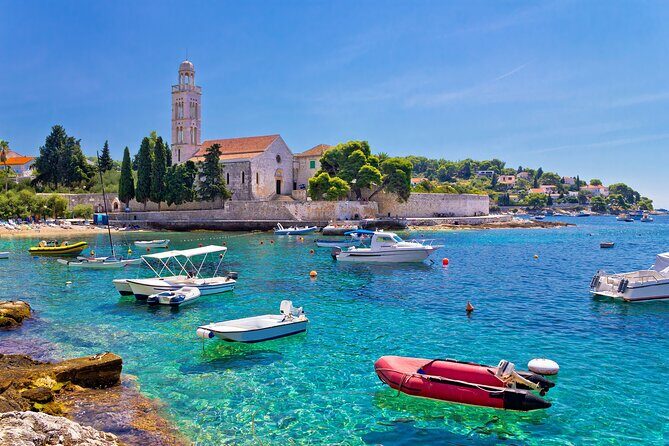
The tour wraps with the Franciscan Monastery, dating to the 15th century. The location advantage is that it’s about 10 minutes away from Hvar’s central area, which means you finish without a long trek back across town.
This stop is free, and it’s a good contrast to the earlier civic and performance sites. After forts, cathedrals, and theatres, the monastery gives your brain a slower rhythm. Think of it as your reset button: a quieter end point where you can collect the day’s history instead of cramming for one more landmark.
Even if you only have 17 minutes, it helps you leave feeling like you saw the full range of Hvar—power, faith, public entertainment, and then calm.
What you’ll get most from the guide (not just the buildings)
The reviews highlight something I agree matters: guides who can make history understandable, not just recited. Nina and Jackie show up in the feedback as people who made the experience work even with three teenage kids, including listeners who usually need a reason to stay engaged.
So what does that mean for you? Expect your guide to connect the stops with a bigger picture:
- How Hvar’s civic spaces looked and worked
- Why religious buildings matter in town identity
- How public performance became part of community life
The best part of a private walk like this is that you can ask real questions as you go. If something feels confusing—like why a site evolved its function—your guide can clarify on the spot.
Who this tour suits best
I think this one is a great fit if you want a high-value overview with real context and don’t want to stitch together multiple tickets and guidebooks.
You’ll likely enjoy it most if you:
- Like architecture and the story behind buildings
- Want a structured route through Hvar’s core in a short time
- Travel with mixed ages and need a guide who can keep attention (the feedback mentions strong success with teens)
- Prefer private, small-group attention over a large walking crowd
It may be less ideal if you dislike hills or stairs, since Fortica is on a hill and you’ll feel it. Also, if you only want free stops, the added admissions can push the total higher than you might expect.
Should you book Jewels of Hvar Private Walking Tour?
Book it if you want a focused 2-hour route through Hvar’s key landmarks with a guide who actually explains. This tour earns its reputation in the way the stops connect, and in the guide quality highlighted by name—Nina and Jackie stand out for making the history land.
Skip it (or plan carefully) if you’re very price-sensitive once admissions are added, or if climbing to Fortica feels like too much. In that case, you can still enjoy Hvar—just consider swapping to a route that avoids the hilltop emphasis.
If your goal is to leave Hvar feeling like you truly understood it, not just photographed it, this is a strong pick. Just pack good shoes, bring patience for older streets, and expect a day that’s more story-driven than checklist-driven.
FAQ
How long is the Jewels of Hvar private walking tour?
It’s about 2 hours (approx.), with each of the main stops planned for around 17 minutes.
What’s included in the price?
The tour includes a guide. Admission fees for specific stops are not included.
Are there admission fees I should budget for?
Yes. Fortica Fortress is listed at 5.33 EUR, Arsenal & Theatre admissions are 8.66 EUR, and Hvar Public Theatre is 2.05 EUR. The Arsenal & Theatre admission is free for children under seven years old.
Where do I meet and where does the tour end?
You start at Trg svetog Stjepana 42, 21450 Hvar, Croatia, and the tour ends at Franciscan Monastery, Šetalište put Križa, 21450, Hvar, Croatia.
What language is the tour offered in?
The tour is offered in English.
What happens if the weather is poor?
The experience requires good weather. If it’s canceled due to poor weather, you’ll be offered a different date or a full refund.